Bermuda Sod
The toughest warm-season turf for Louisiana yards. Full sun, fast recovery, and built for heavy traffic.
Fresh-cut pallets delivered to your property.
Why Bermuda Thrives in Baton Rouge
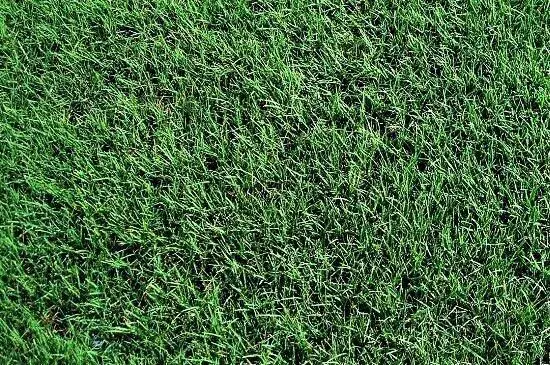
Bermuda grass was made for open sun. It soaks up Louisiana heat and turns it into thick, dense turf. While other grasses slow down in July and August, Bermuda kicks into high gear. The hotter it gets, the faster it grows.
This is the grass you see on athletic fields and sports complexes across the region. LSU uses it on practice fields. High schools from Central to Gonzales rely on it. The reason is simple. Bermuda handles foot traffic better than any other warm-season turf. Cleats, mowers, kids, and dogs cannot wear it out.
Open residential yards across Baton Rouge are perfect for Bermuda. Properties along Airline Highway, Coursey Boulevard, and the newer subdivisions in Prairieville and Denham Springs sit in full sun most of the day. That is exactly what Bermuda needs. Six to eight hours of direct sunlight keeps it thick and green from May through September.
Bermuda spreads through both stolons and rhizomes. That gives it two ways to fill bare spots. A damaged area that would take St. Augustine weeks to cover can close up in days with Bermuda. Commercial property managers choose it for parking strips, medians, and roadside areas because it bounces back fast after any kind of damage.
Baton Rouge Sod carries fresh Bermuda sod by the pallet. We stock Tifway 419 and TifTuf varieties cut from local farms. Pallets arrive fresh and ready to lay. Homeowners, landscapers, and property managers trust Bermuda for one reason. It performs in the heat and takes a beating without slowing down.
Bermuda Specs
| Blade Type | Fine-textured, dense, dark green |
| Sun Needs | 6 to 8 hours (full sun required) |
| Drought Tolerance | Excellent |
| Traffic Tolerance | Excellent |
| Mowing Height | 1 to 2 inches |
| Growth Habit | Stolons and rhizomes |
| Peak Season | May through September |
| Time to Root | 10 to 14 days |
How Much Sod Do You Need?
Enter your yard dimensions to find out how many pallets you need and what it will cost.
Sod Calculator
Estimates based on $200 to $300 per pallet. Final price depends on variety and delivery. Call for exact quotes on large orders.
How to Order Sod
Measure Your Yard
Measure the length and width of the area you want to sod. Multiply them to get square feet.
Place Your Order
Buy online through our store or call 225-310-8080. Tell us how many pallets you need and your delivery address. We handle the rest.
Fresh-Cut and Delivered
Your sod is cut fresh from the farm and delivered straight to your property. Standard delivery runs 2 to 4 business days.
Care Guide for New Sod
The First Two Weeks Set the Foundation
Water your new Bermuda sod twice a day for the first 7 to 10 days. Morning and late afternoon work best. Soak it enough that the soil underneath stays moist, not muddy. Bermuda roots faster than most warm-season grasses, but it still needs consistent moisture to anchor.
Keep foot traffic off the new sod as much as possible. The roots need time to grip into the soil without being disturbed. Bermuda will show signs of rooting within 10 days in warm weather.
Watering schedule: Once in the early morning (before 10 AM) and once in the late afternoon (after 4 PM). Each session should run long enough to soak about half an inch into the soil.
Reduce Watering and Prepare for First Mow
After two weeks, cut back to once a day. By week four, shift to every other day. Bermuda is more drought tolerant than St. Augustine, so it handles the transition well.
Plan your first mow around day 10 to 14. Set the blade to 1.5 inches. Bermuda performs best when kept short. Tug a corner of the sod gently before mowing. If it resists, the roots have taken hold.
Root check: Grab a corner of any sod piece and tug gently. If it lifts easily, it needs more time. If it holds firm, you are ready to mow. Bermuda typically roots faster than other warm-season grasses.
Long-Term Lawn Health
Set your mower to 1 to 2 inches. Never remove more than one-third of the blade height at a time. Bermuda does best when kept low and mowed often. During peak season, plan to mow every 5 to 7 days.
Bermuda is a heavy feeder. Apply 4 to 6 pounds of nitrogen per 1,000 square feet per year using a slow-release formula. Split that into 3 to 4 applications from April through September. A soil test from your local LSU AgCenter extension office will tell you exactly what your yard needs.
Mowing tip: A reel mower gives the cleanest cut on Bermuda and produces a striped, sports-field look. Rotary mowers work fine too, but keep the blade sharp. Dull blades tear Bermuda and leave brown tips.
Bermuda Varieties
Bermuda comes in several cultivated varieties. Each one has its strengths. Availability changes by season depending on farm supply. We source from multiple farms across Louisiana and the Gulf Coast.
Tifway 419 is the most common variety we carry. It is sports-grade turf with a fine texture and deep green color. Tifway 419 handles heavy traffic and recovers fast from damage. It is the standard for athletic fields, golf course roughs, and high-use residential lawns.
TifTuf is a newer variety bred for drought tolerance. It uses about 38 percent less water than Tifway 419. TifTuf stays greener longer in dry spells and holds its color deeper into fall. It is a strong choice for homeowners who want less watering.
Common Bermuda is the budget option. It has a coarser blade and lighter color than the improved varieties. It works well for large open areas where appearance is less critical, like pastures, utility areas, and erosion control.
Need a specific variety? Call 225-310-8080 to check current availability. We can often source specialty varieties with a few days notice for larger orders.
Detailed Bermuda Specifications
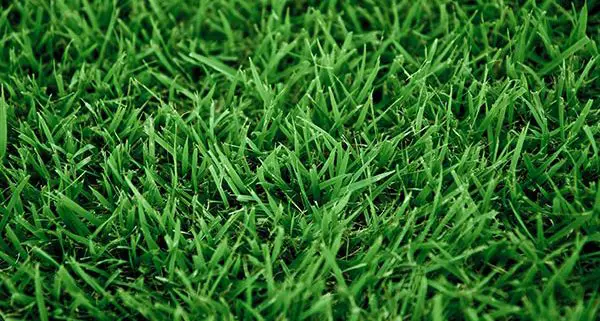
Bermuda grass (Cynodon dactylon) is a warm-season perennial turf that thrives in USDA Zones 7 through 10. Baton Rouge sits in Zone 9a, right in its sweet spot. The blade is fine-textured, dense, and dark green. Improved varieties like Tifway 419 produce a tight, carpet-like surface.
It spreads through both stolons (above-ground runners) and rhizomes (below-ground runners). This dual growth habit makes it the fastest spreading warm-season grass available. Bermuda fills bare spots on its own without reseeding. Sod is the preferred establishment method for improved varieties.
Full sun is required. Bermuda needs 6 to 8 hours of direct sunlight per day. It will thin out and die in heavy shade. Heat tolerance is excellent. Drought tolerance is excellent. Once established, Bermuda can survive extended dry periods by going semi-dormant and greening back up when rain returns. Salt tolerance is good.
Roots reach 6 inches or deeper in well-drained soil. The grass prefers a soil pH between 6.0 and 7.0 but adapts to a range of 5.5 to 8.0. It handles clay, sand, and loam soils. Louisiana clay is not a problem as long as drainage is adequate.
Mow every 5 to 7 days during peak growth season (May through September). Keep the blade height between 1 and 2 inches. Fertilize with 4 to 6 pounds of nitrogen per 1,000 square feet per year using a slow-release formula.
The grass goes dormant when temperatures drop below 50 degrees and turns straw brown. It greens back up in late March when soil temps hit 65 degrees. Bermuda typically goes dormant earlier and stays dormant longer than St. Augustine. Common pests include armyworms, mole crickets, and bermudagrass mites. Spring dead spot and dollar spot are the diseases to watch for.
Pallet sizing: Each pallet covers approximately 450 square feet. Price ranges from $200 to $300 per pallet depending on variety and availability. Use our calculator above to estimate your project.
Bermuda Sod FAQ
Your Yard Is Not Going to Sod Itself
225-310-8080We deliver across Greater Baton Rouge, Denham Springs, Prairieville, Gonzales, Zachary, and Central. Delivery runs 2 to 4 business days. Next-day is sometimes available.