Centipede Sod
The low-maintenance grass that thrives on neglect. Less mowing, less fertilizer, and fewer problems.
Fresh-cut pallets delivered to your property.
Why Centipede Works So Well in Louisiana
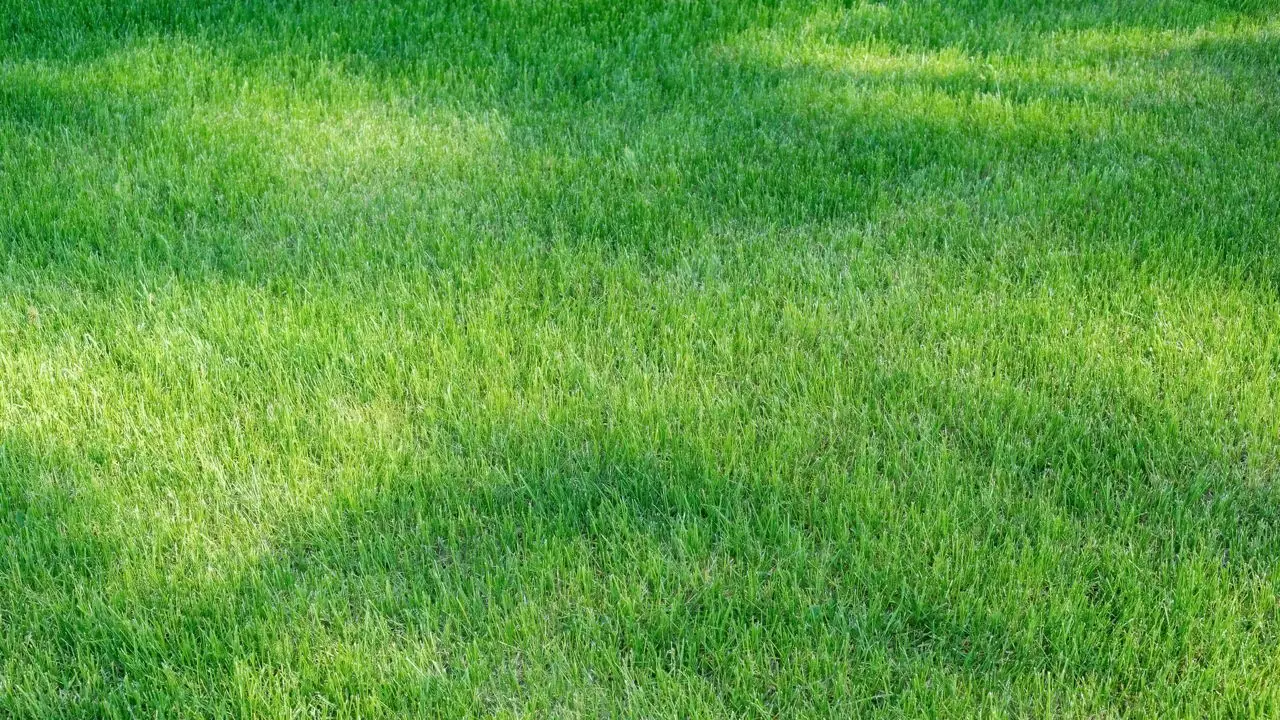
Some homeowners want a perfect lawn. Others just want a good lawn that does not eat up every weekend. Centipede grass was made for that second group. It grows slow. It needs very little fertilizer. It fights off most bugs on its own. You mow it less than any other warm-season turf in Baton Rouge.
Louisiana soil runs acidic. That is exactly what Centipede loves. Most grasses need soil amendments and pH correction. Centipede thrives in a pH range of 4.5 to 6.0, which is right where most Baton Rouge yards sit. You spend less money and less time trying to fix the dirt underneath it.
Centipede spreads through above-ground runners called stolons. It fills in at its own pace. That slower growth habit means you mow about half as often as Bermuda. During peak summer, you might cut it every 10 to 14 days instead of every week. That adds up to real time saved over a full season.
Fertilizer is where Centipede saves you the most. It only needs 1 to 2 pounds of nitrogen per 1,000 square feet per year. Compare that to Bermuda at 4 to 6 pounds. Too much fertilizer actually hurts Centipede. It causes a condition called Centipede decline. Less really is more with this grass.
Baton Rouge Sod has fresh Centipede sod for sale by the pallet and by the piece. We deliver straight to your property. If you want a solid lawn without the constant upkeep, Centipede is the grass that lets you set it and forget it.
Centipede Specs
| Blade Type | Medium, light green, creeping |
| Sun Needs | 5 to 6 hours (light shade OK) |
| Drought Tolerance | Moderate |
| Traffic Tolerance | Low to moderate |
| Mowing Height | 1.5 to 2 inches |
| Growth Habit | Stolons (above-ground runners) |
| Peak Season | May through September |
| Time to Root | 14 to 21 days |
How Much Sod Do You Need?
Enter your yard dimensions to find out how many pallets you need and what it will cost.
Sod Calculator
Estimates based on $225 to $325 per pallet. Final price depends on variety and delivery. Call for exact quotes on large orders.
How to Order Sod
Measure Your Yard
Measure the length and width of the area you want to sod. Multiply them to get square feet.
Place Your Order
Buy online through our store or call 225-310-8080. Tell us how many pallets you need and your delivery address. We handle the rest.
Fresh-Cut and Delivered
Your sod is cut fresh from the farm and delivered straight to your property. Standard delivery runs 2 to 4 business days.
Care Guide for New Sod
The First Two Weeks Are Critical
Water your new Centipede sod twice a day for the first 7 to 10 days. Morning and late afternoon work best. Soak it enough that the soil underneath stays moist, not muddy.
Centipede establishes slower than Bermuda or St. Augustine. Give it time. Keep foot traffic off the new sod as much as possible. The roots need to anchor without being disturbed.
Watering schedule: Once in the early morning (before 10 AM) and once in the late afternoon (after 4 PM). Each session should run long enough to soak about half an inch into the soil. Centipede roots are shallow, so consistent moisture matters more than deep soaking.
Wait for Full Rooting Before You Mow
After two weeks, cut back to once a day. By week four, shift to every other day. Centipede does well on about three-quarters of an inch of water per week once roots take hold.
Do not mow until the sod is fully rooted. That usually takes 14 to 21 days for Centipede. Tug a corner gently. If it resists, it has rooted. Set your first mow height to 2 inches.
Root check: Grab a corner of any sod piece and tug gently. If it lifts easily, it needs more time. If it holds firm, the roots have taken hold. Centipede roots slower than Bermuda, so patience pays off here.
Less Is More With Centipede
Mow Centipede at 1.5 to 2 inches. Never remove more than one-third of the blade height at a time. Because it grows slow, you will mow every 10 to 14 days during peak season instead of every week.
Fertilize lightly. Centipede needs only 1 to 2 pounds of nitrogen per 1,000 square feet per year. That is it. Avoid high-nitrogen fertilizers. Too much nitrogen causes Centipede decline, which thins out the turf and invites disease. Use a centipede-specific fertilizer with iron to keep the color green.
Iron over nitrogen: If your Centipede looks pale or yellowish, reach for iron sulfate instead of more fertilizer. Iron greens up Centipede without the growth surge that nitrogen causes. This is the single best tip for keeping Centipede healthy long-term.
Centipede Varieties
Centipede comes in a few improved cultivars beyond the standard Common variety. Availability changes with the season depending on farm supply. We source from multiple farms across Louisiana and the Gulf Coast.
Common Centipede is the standard variety and the most widely available. TifBlair offers improved cold tolerance, which helps in North Louisiana and during harsh winters. Santee has a darker green color that some homeowners prefer over the lighter green of Common.
Not every variety is available at all times. For large orders or specific variety requests, call ahead so we can confirm what is on the farm and reserve your pallets.
Need a specific variety? Call 225-310-8080 to check current availability. We can often source specialty varieties with a few days notice for larger orders.
Detailed Centipede Specifications
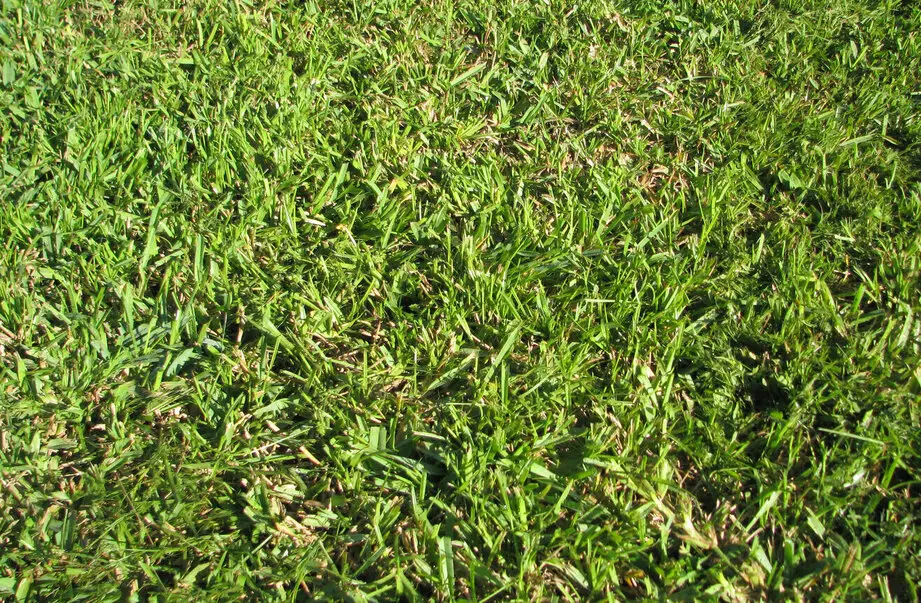
Centipede grass (Eremochloa ophiuroides) is a warm-season perennial turf that thrives in USDA Zones 7 through 10. Baton Rouge sits in Zone 9a. The blade is medium-textured with a light apple-green color. It grows lower and denser than St. Augustine.
It spreads through stolons only. Centipede does not produce rhizomes (underground runners). This means it stays where you put it and does not invade flower beds as aggressively as Bermuda. It fills in bare spots on its own but at a slower pace than other warm-season grasses.
Centipede needs 5 to 6 hours of sunlight per day. It handles light shade but not heavy shade. Drought tolerance is moderate. It needs about three-quarters of an inch of water per week once established. It goes dormant when temperatures drop below 55 degrees and turns straw-colored until spring.
The standout trait is its preference for acidic soil. Centipede performs best at a pH between 4.5 and 6.0. Alkaline soil causes iron chlorosis and yellowing. Louisiana soil naturally runs acidic, which makes it an ideal match. Sensitive to over-fertilization and alkaline conditions.
Mow every 10 to 14 days during peak growth season (May through September). Keep the blade height between 1.5 and 2 inches. Fertilize with 1 to 2 pounds of nitrogen per 1,000 square feet per year maximum. Use a slow-release formula with iron.
Traffic tolerance is low to moderate. Centipede is not the best choice for high-traffic areas or play yards. Common issues include large patch fungus, ground pearls, and nematodes. These problems are manageable with proper care and soil health.
Pallet sizing: Each pallet covers approximately 450 square feet. Price ranges from $225 to $325 per pallet depending on variety and availability. Use our calculator above to estimate your project.
Centipede Sod FAQ
Your Yard Is Not Going to Sod Itself
225-310-8080We deliver across Greater Baton Rouge, Denham Springs, Prairieville, Gonzales, Zachary, and Central. Delivery runs 2 to 4 business days. Next-day is sometimes available.