Baton Rouge Sod

Fresh sod delivery and installation across Greater Baton Rouge.

What Does Bermuda Grass Look like? Bermuda Grass Identification

Characteristics explaining what bermuda grass looks like..

I’m often asked what does bermuda grass look like?

When I describe its looks to people I start with the most distinguishing characteristics.

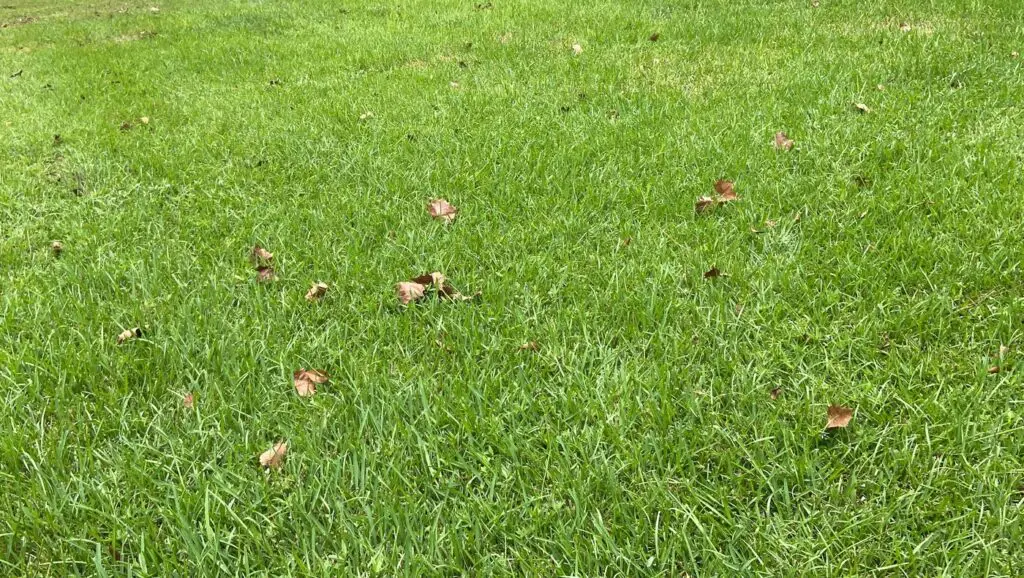
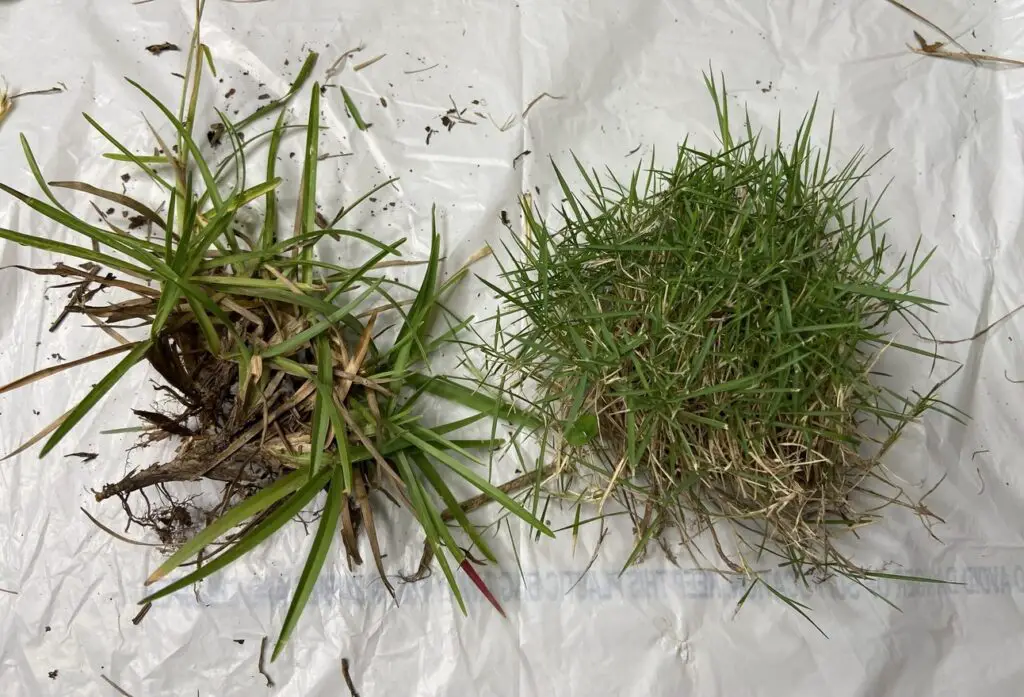
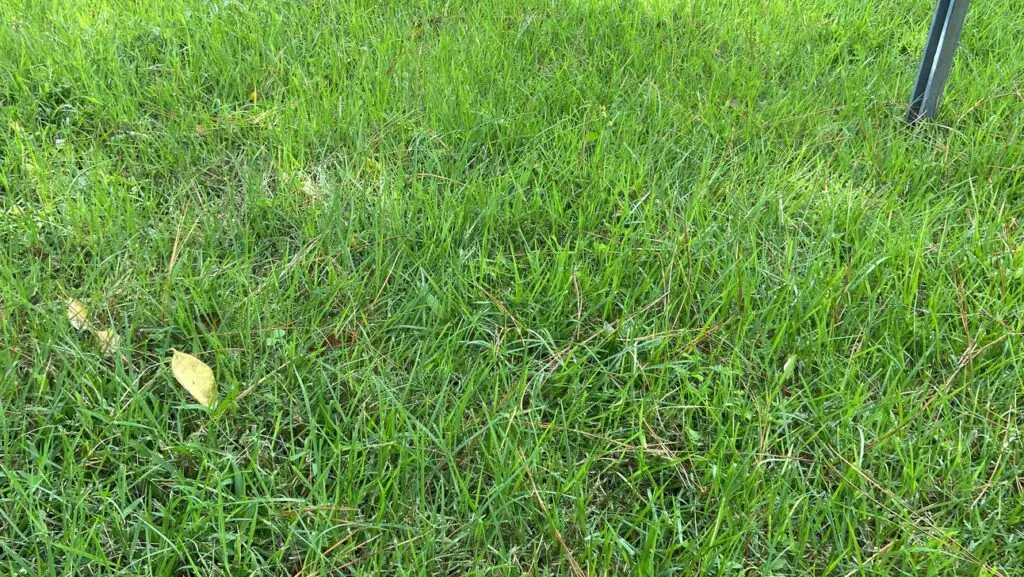
Bermudagrass is a low growing turfgrass, with thin narrow leaf blades, and color ranging from bright green, to medium, to dark green color.

It’s visually identified by its fine-textured leaf blades that are typically around 1/8″ wide (2-4mm wide) and a low to the ground growth habit.

Bermuda also has a distinctive V-shaped leaf blade and pointed tips, which helps distinguish it from other types of turfgrass.


What Is Bermuda Grass? 
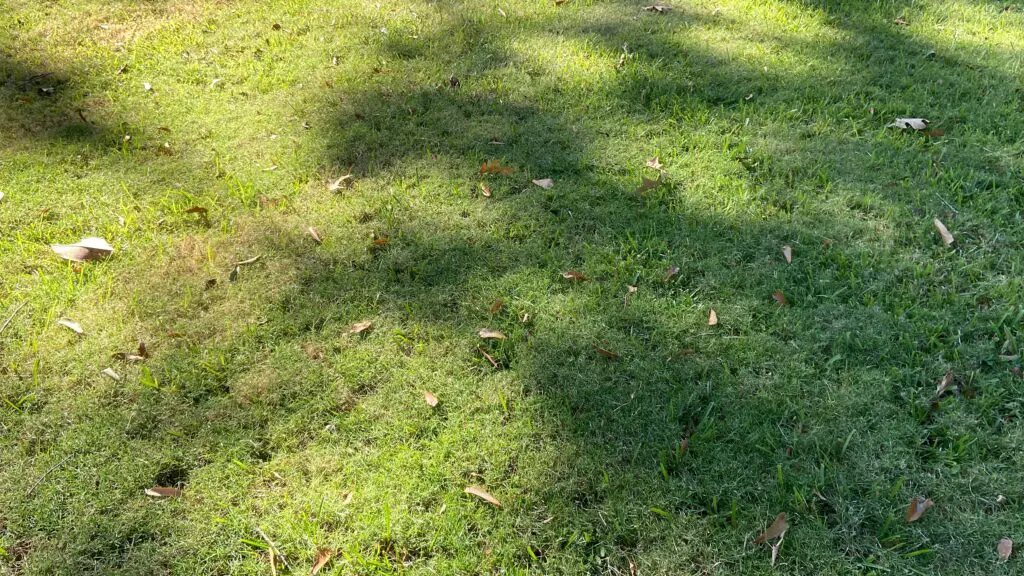
What Does Bermuda Grass Look like? Bermuda Grass Identification

Bermuda (Cynodon dactylon) grass is a warm-season turfgrass that originated in Africa, and spread to the Middle East and Asia.

Today, Bermudagrass is found all over the world in residential and commercial lawns.

Bermuda is one of the top selling turfgrasses due to its fine texture, deep green tone, great resistance to heat and drought, and foot traffic tolerance.

Rapid establishment and quick growing rate are among its most distinguishing features.

When exposed to sunshine and a sufficient water supply, it may grow up to two inches each week throughout the summer months.

Overall, Bermuda is a very popular turf, with massive distribution worldwide; and is the highest selling sod and seed cultivar varieties.

What makes Bermuda so special?

The main feature of this turfgrass is is toughness and durability.

It is an excellent choice for high traffic areas due to its ability to handle heavy foot traffic with minimal damage.

These characteristics make it a popular sought after lawn options, especially across the southern United States.


Bermuda grass identification
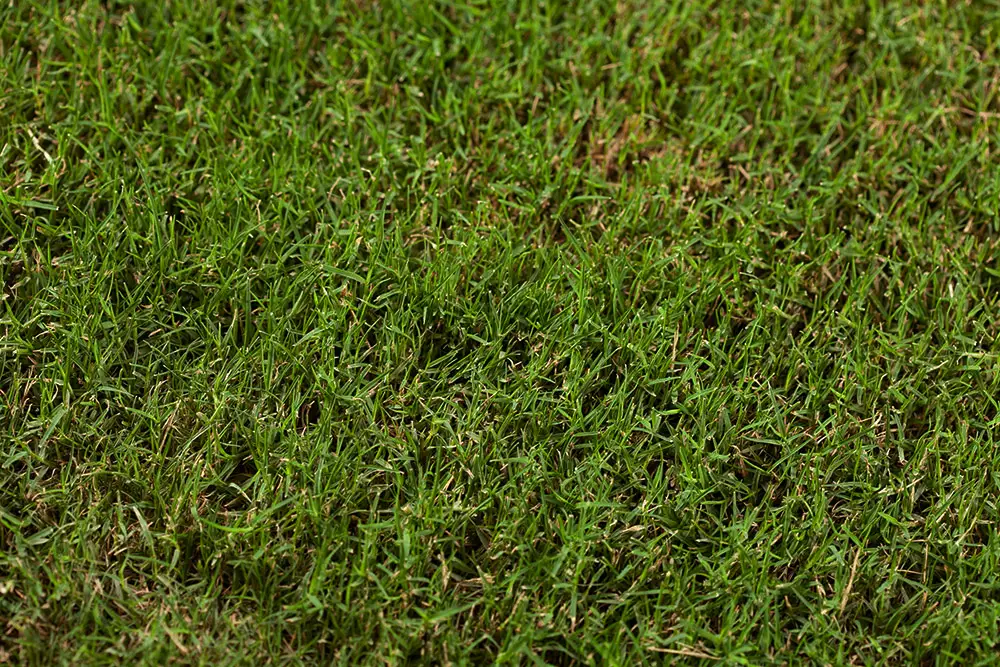
How Do You Know If You Have Bermuda Grass?

The key characteristics of Bermudagrass is its leaf blade shape and texture, measuring an approximate width of 1/8″ wide (2-4mm wide) by 1″ – 1 1/4″ long (10-30 mm) long with pointed tips that are slightly flattened at their bases.

A simple description is a thin grass that grows short and low to the ground.

Correct identification is of Bermudagrass is essential to understand the growth habits.

Bermuda is considered a weed by some because of its ability to spread quickly through stolons and rhizomes.

This is especially important, since it tends to take control over other varieties and make its removal an uphill struggle.

However, it is still desirable for multiple applications due to its durability and resilience.

The two main categories of Bermudagrass are common Bermuda grass and hybrid Bermuda.

They are both from the same grass species, within the species are multiple types of bermuda grass lawn.

Once established, however, its effects on other parts of your garden could prove devastating unless dealt with promptly and successfully.


What Does Bermuda Grass Look Like?
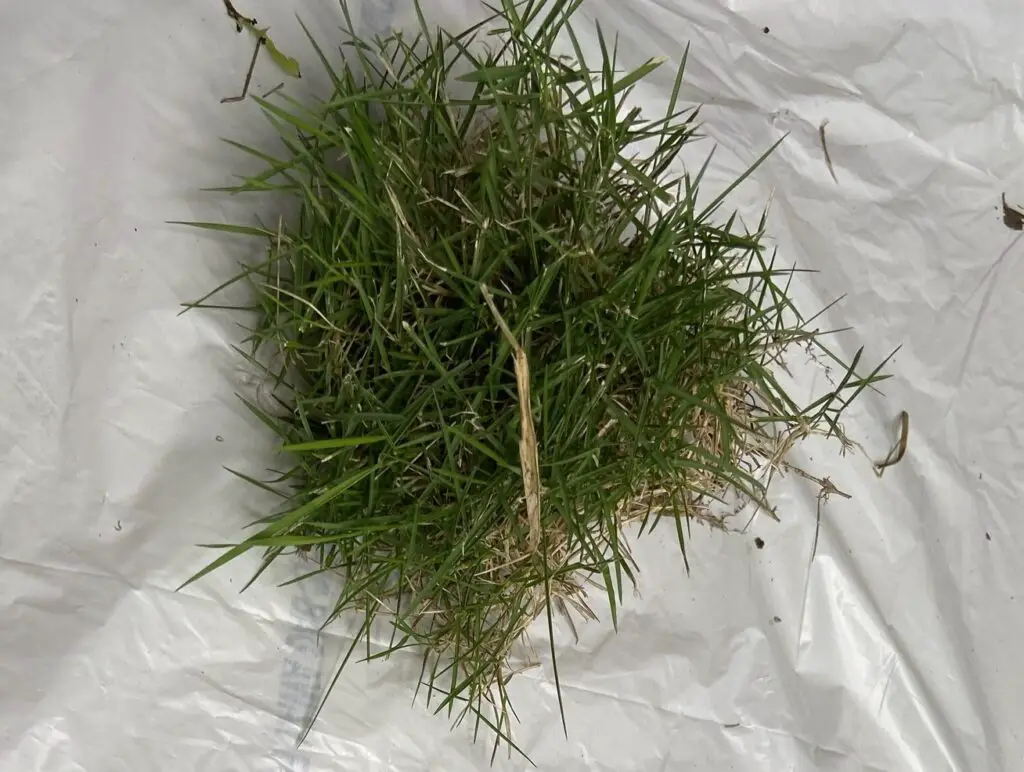
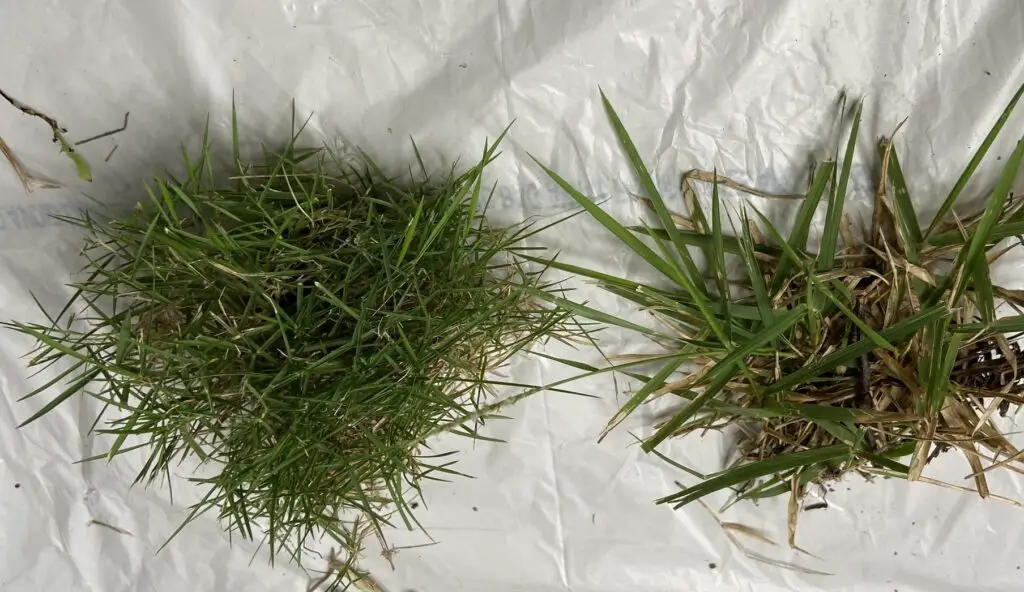
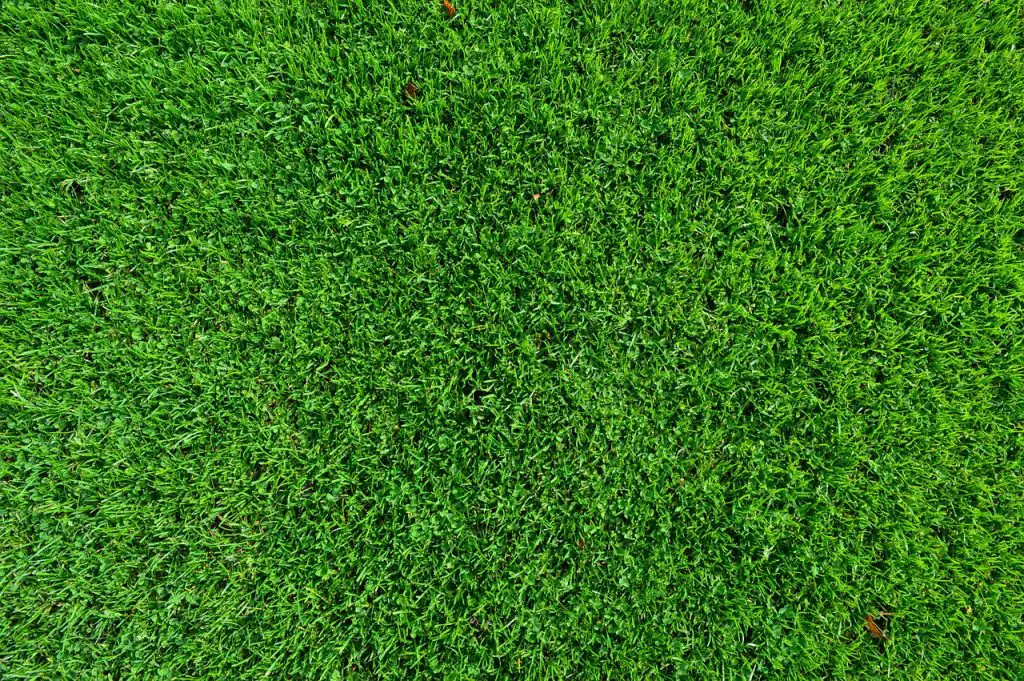
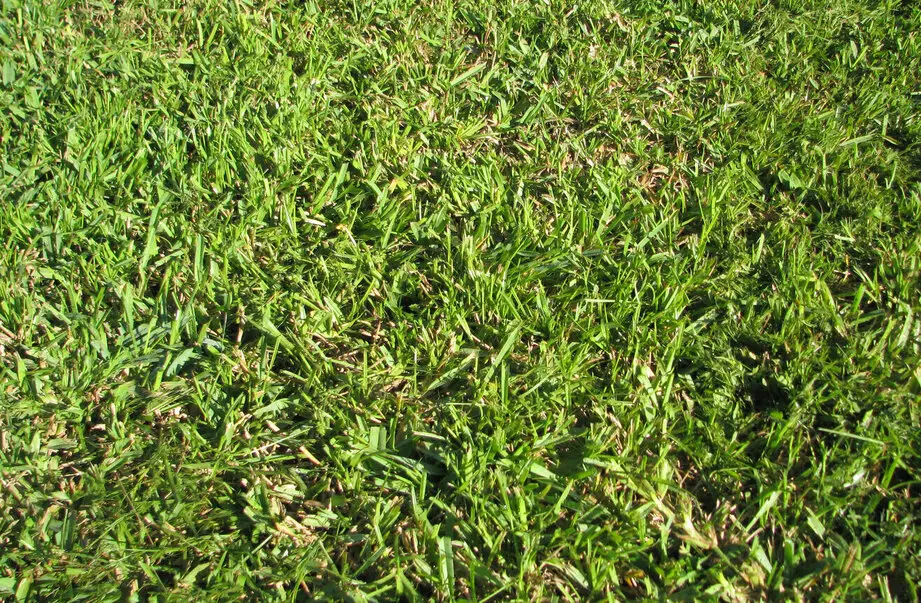
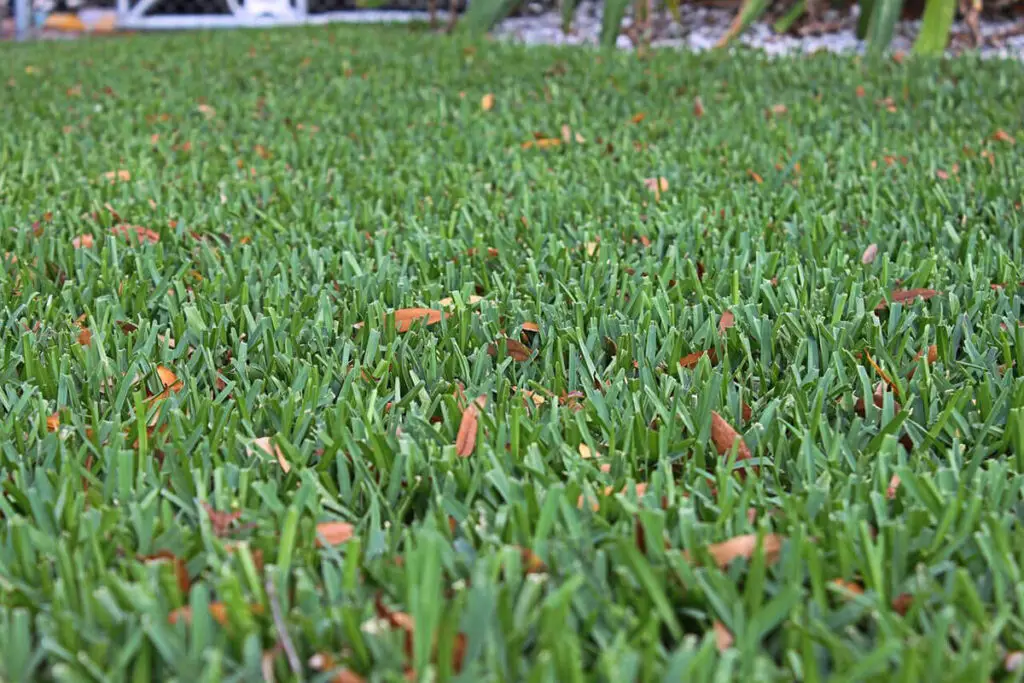
bermuda grass close up picture - bermudagrass picture

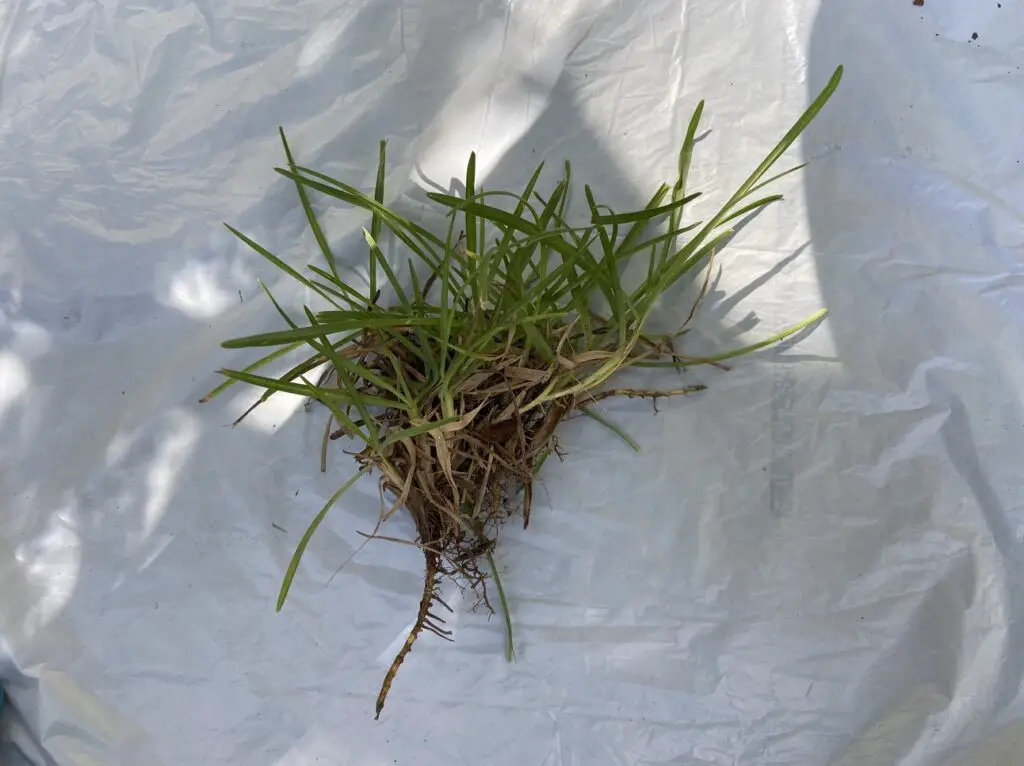
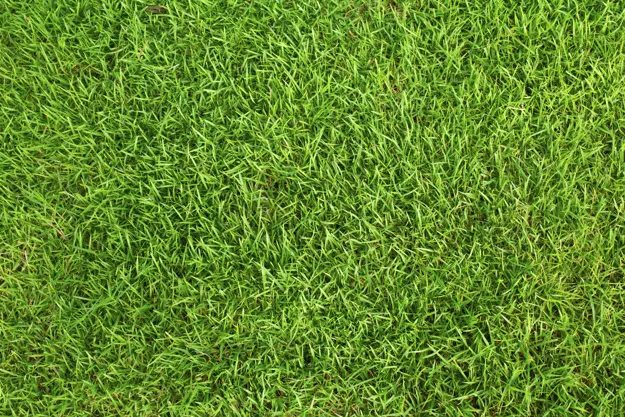
Bermuda can easily be recognized by its fine, smooth leaf blades and its vibrant green hue.

Thin V-shaped leaf blades with pointed tips distinguish this turfgrass variety from others.

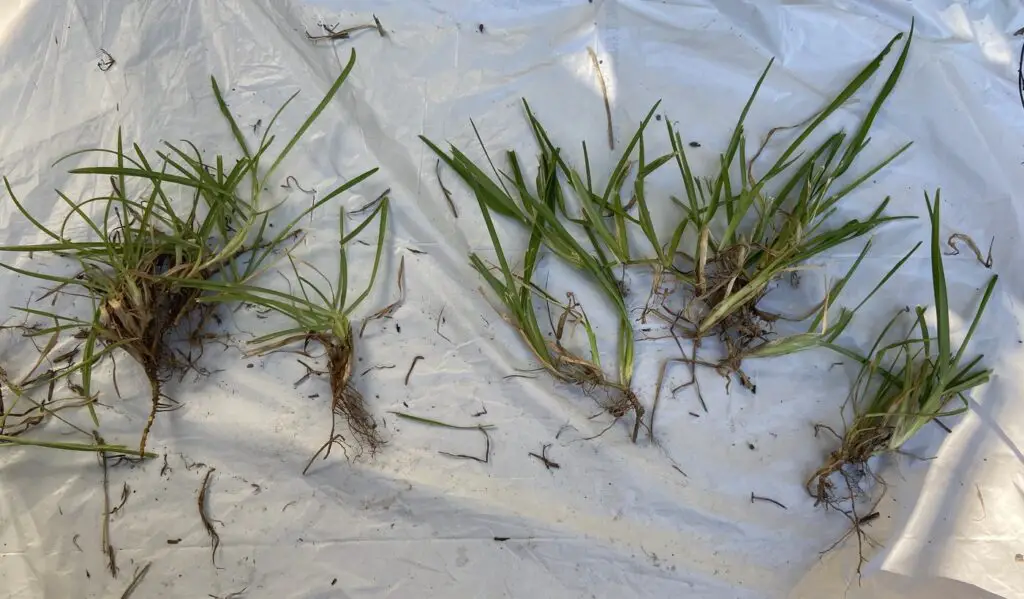
These plants boast dense growth habits with abundant runners that form lateral roots that enable it to tolerate heavy foot traffic areas.

If you are uncertain whether you have a Bermuda lawn, an easy way to tell is by inspecting its stem’s base for signs that its leaves bear teeth-like protrusions that look similar to shark fins.

These key characteristics will allow you to easily recognize this widely utilized turfgrass species.

Here are the physical characteristics that help identify Bermuda grass:

1. Narrow and Long Leaf Blades:

Bermuda grass features short, narrow leaves measuring from 2-4mm wide by 10-30 mm long.

2. Sharp-Pointed Tips:

The tips of Bermuda grass leaves have sharp points with flat leaves that resemble a knife blade.

3. Rolling Inflorescences:

These flowering structures and seed heads feature distinctively distinguishable inflorescences that make them easier to identify.

4. Stolons or runners:

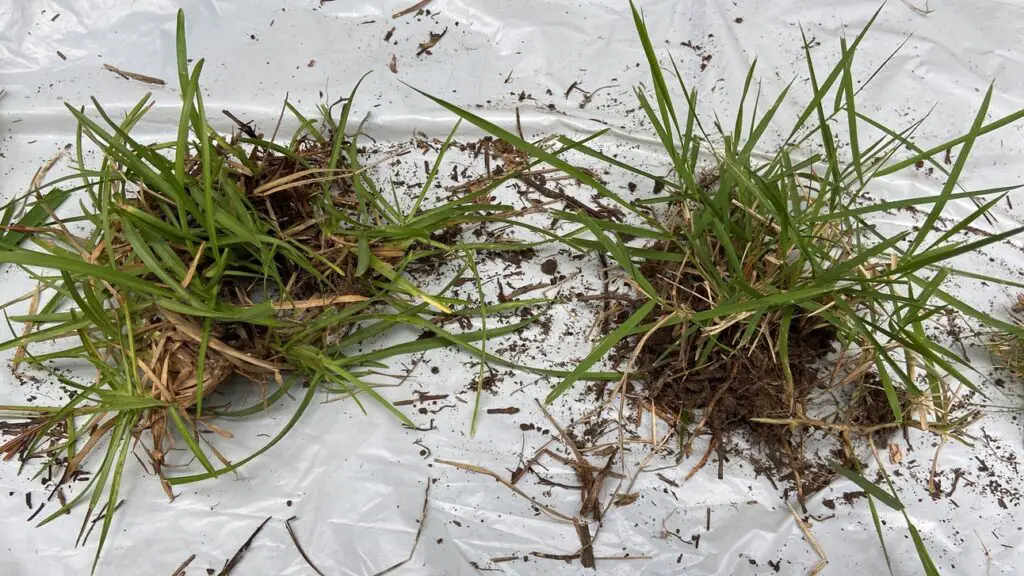
Turfgrass propagates itself via lateral expansion through its roots, nodes, and rhizome.

Fast-growing runners root to the ground while simultaneously growing out into new plants that propagate in the area.

These runners give it its characteristic creeping growth pattern.

5. Pale green to Emerald coloration:

Color is another key indicator of cultivar variety, and type; along with the amount of nutrients available.

During summer months, its tones range from pale green to deep emerald while during fall when temperatures decline significantly due to increasing maintenance measures it takes on an amber tint requiring extra care for proper upkeep.


How to Identify Bermuda Grass
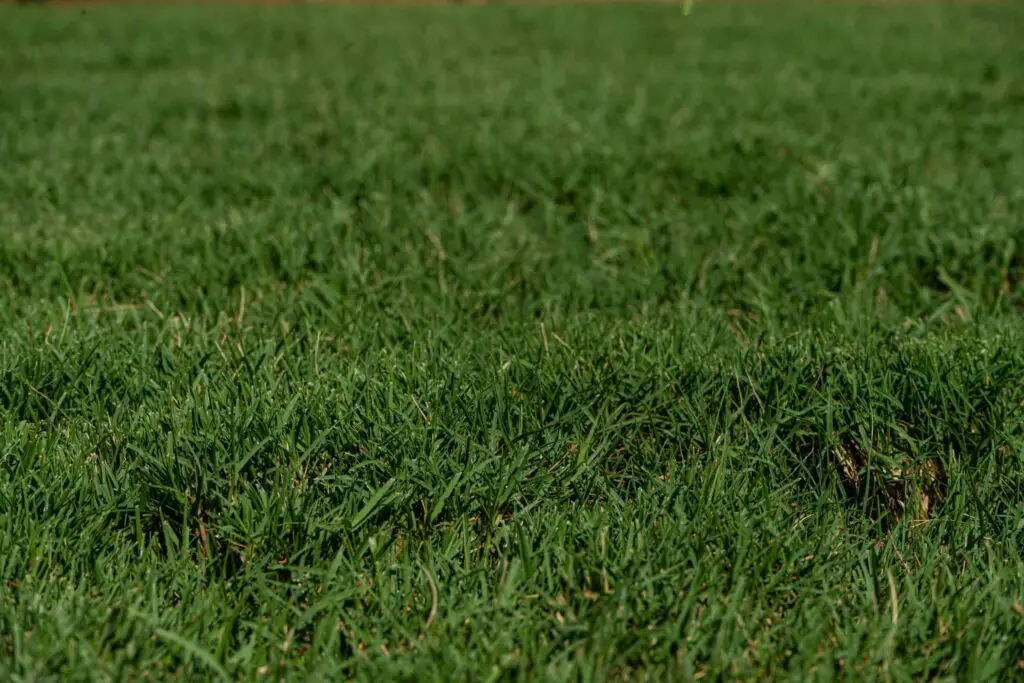
tifway 419 bermuda grass sod


Here are some key traits that make Bermuda grass identifiable:

Leaf blades

Bermuda grass has slender, pointed leaf blades that are flattened at the base.

Growth pattern

Bermudagrass typically grows in a short, dense manner; and expands by stolons or runners.

Texture

Bermuda-grass leaves exhibit fine thin texture that feels soft and thin underfoot when compared to other turf grasses.

Coloration

During peak growth seasons, Bermuda-grass displays vivid green to dark green coloration depending on the amount of fertilization.

It then transitions into shades of yellow-brown before dormancy over winter period.

Tolerance of hot temperatures

It’s known for it’s high tolerance levels to droughts, above-average heat stress tolerance, and rapid growth recovery times.

Inflorescences (seedheads)

The seedheads have uniquely spiked and rolling shapes which are usually brown from spring through fall season; with noticeable bending behavior when approaching maturity.


What is Hybrid Bermuda Grass?
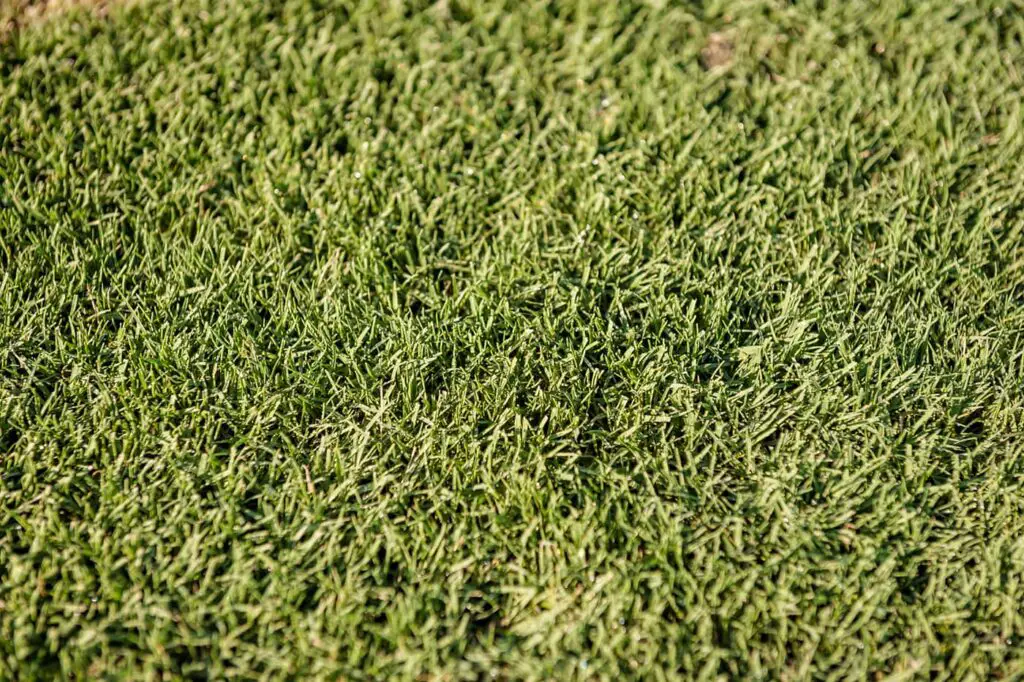
Hybrid Bermuda grass is a type of grass that is created by crossbreeding two or more different types of Bermuda grass.

The resulting grass is a hybrid that has traits of both parent varieties.

These hybrids are often crossbred for desirable traits, such as improved texture, color, and density, and they are known for their high quality and resilience.

Hybrid Bermuda grass is highly valued for its superior quality and performance, and it is commonly used for sports fields, golf courses, and high-end residential lawns.

Most cultivars were developed through a process called hybridization, which involves crossbreeding two different types of Bermuda grass to create a new variety.

The process is done by selecting the best traits from each parent variety and combining them to create a new and improved grass.

The resulting hybrid grass has improved characteristics such as disease resistance, drought tolerance, and/or better overall performance.

There are numerous hybrid bermuda grass varieties. Hybrid varieties differ from common lawn grass.

Most of the varieties are a considerable improvement from traditional bermuda grass, offering more dense-foliage, higher disease resistance, as well as drought tolerance.

Hybrid Bermuda-grass has higher tolerance levels for heavy foot traffic which makes it ideal for high-traffic areas like sports fields and golf courses.

Overall hybrid Bermunda grass provides denser foliage structure compared with regular species leading to superior resistance against infestations by unwanted weeds and pests commonly affecting local lawns attributes that easily distinguish them from standard Bemauda strains.

Some common and popular varieties of hybrid Bermudagrass

  1. Tifway 419
  2. Celebration
  3. TifTuf
  4. TifSport
  5. Santa Ana
  6. Latitude 36
  7. NorthBridge
  8. Yukon
  9. Patriot
  10. Riviera
  11. Discovery
  12. Bimini

What does Bermuda grass look like up close?

bermuda grass close up picture


bermuda grass close up picture - bermudagrass picture


Bermuda grass vs Zoysia grass

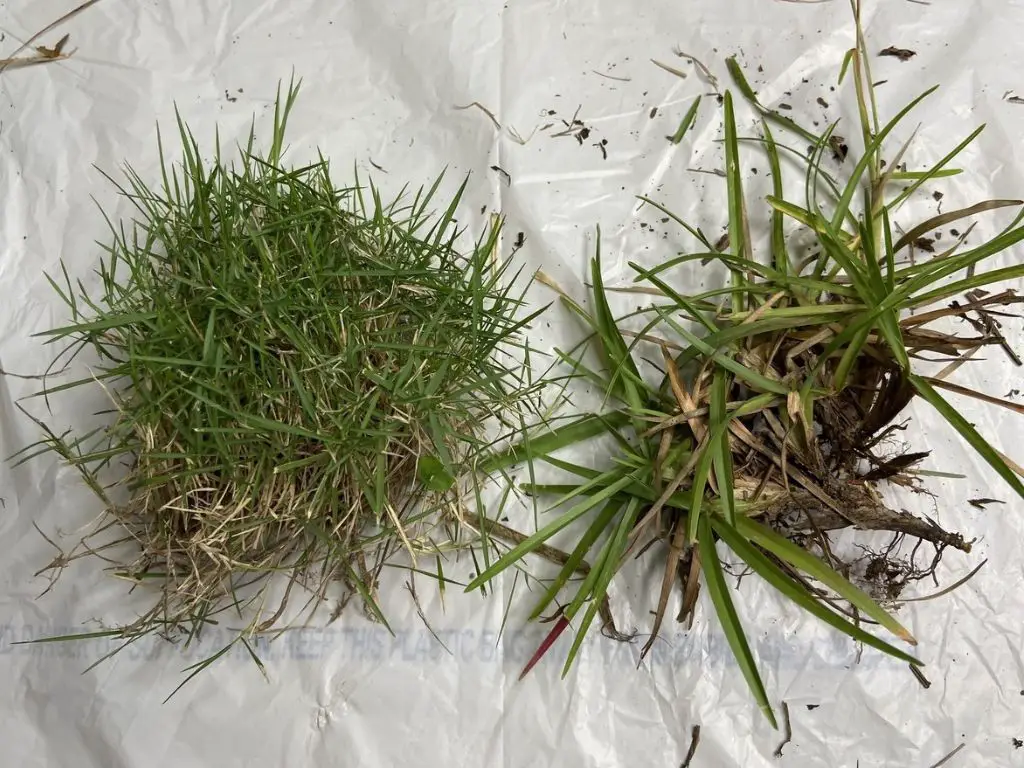
bermuda grass vs zoysia grass - this is medium blade zoysia japonica grass

Two turfgrass varieties often compared are Bermuda grass and Zoysia grass.

While both are warm-season grasses that thrive in similar growing environments, there are areas that they differ.

Zoysia Japonica is a medium bladed zoysia grass and Matrella has a grass leaf blade similar to hybrid Bermudas.

Two of the biggest differences between the two are shade tolerance and hardiness.

Bermuda grass is fast-growing with a high tolerance to heat, droughts, and foot traffic.

Its leaf blades are thin, narrow, with sharp-pointed tips that give it a flat appearance.

Bermuda grass grows and recovers from stress quickly, and its ability to withstand foot traffic makes it ideal for large open areas as well as sports fields.

On the other hand, Zoysia grass offers a thicker, softer feel underfoot due to its dense growth habit and texture.

When you walk on zoysia you actually feel like you’re walking on carpet.

Zoysia offers higher tolerance to shade and cool climatic conditions compared to Bermuda.

It maintains an even green hue most of the year and tolerates frosty winter conditions due to its deep root system.

Bermuda grass vs Zoysia grass comparison chart:

Bermuda Grass Zoysia Grass
Appearance Exhibits medium to dark green color, fine texture and a more manicured appearance Exhibits deep green color, a dense, fine texture, with a soft  carpet-like feel
Leaf Blade Width 1-5 mm 2-4 mm
Height 1-3 inches 1-2 inches
Max Height 2-3 inches 2-3 inches
Growth Pattern Grows aggressively and quickly Grows slowly and less aggressively
Sun/Shade Tolerance Good tolerance for full sun, but less tolerant of shade Excellent shade tolerance but less tolerant of full sun
Cold Tolerance Poor cold tolerance, turns brown during winter in colder regions. Does not like extremely cold regions. Good cold tolerance, can withstand colder temperatures without turning brown, but will turn brown in freezing temperatures.
Drought Tolerance Good drought tolerance, can handle dry conditions better than most grasses Excellent drought tolerance, can survive long periods of dry weather without water
Maintenance Needs High maintenance needs, requiring frequent mowing, watering and fertilizing Low maintenance needs, requiring less frequent mowing, watering and fertilizing

Bermuda grass vs Zoysia grass advantages and disadvantages

Bermuda Grass Zoysia Grass
Advantages Fast-growing with high tolerance to heat, droughts, foot traffic. Soft underfoot due to its lush texture with minimal thatch buildup. Maintains an even color throughout the year in hot climates. Tolerates shade and frosty winter conditions better than Bermuda grass.
Disadvantages Loses vibrancy in fall months compared to Zoysia grass. Can require frequent mowing during peak growing periods. Can become invasive if not properly maintained. Requires more maintenance than some species like Centipede grass. Slower growth rate compared to Bermuda grass. Not as tolerant of heavy foot traffic as Bermuda grass.


It is important to factor in shade-tolerance needs into the decision-making process when considering premium warm-season turfgrasses.

Bermuda Grass requires lots of maintenance input during peak growing periods annual plant fertilizing and chemical treatment to keep it looking its best and to help control disease and insect invasion.


Bermuda vs St Augustine grass
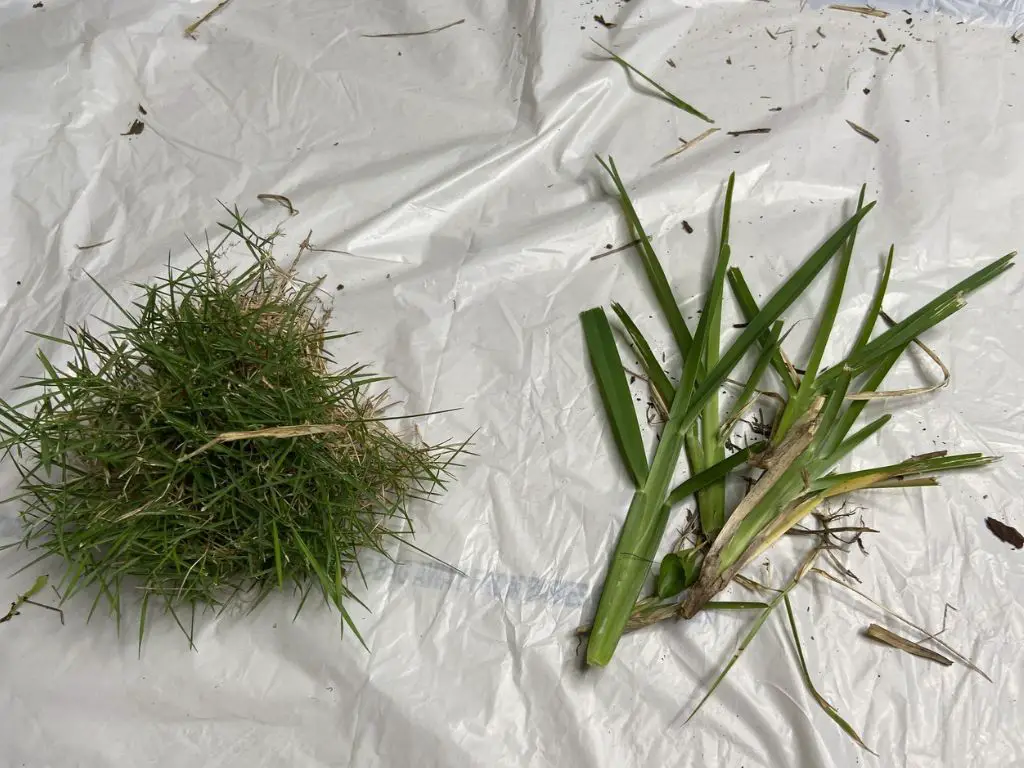
Bermuda grass vs St Augustine grass

How Can You Tell Bermuda Grass From St. Augustine?

Bermuda and St. Augustine are two of the more popular options when considering warm-season turfgrasses.

Both grasses look good when maintained and can hold their own in high temperatures, but there are important differences between the two.

Bermuda Grass is a thin blade fast-growing sod characterized by its rhizomes’ low to the ground growth pattern.

Along with heat tolerance and drought resistance features, it thrives in full sun exposure and delivers excellent performance in high usage areas.

St. Augustine Grass has a wide thick leaf blade with dense foliage.

It has a coarse thick feel underfoot while providing a thick lush lawn; weed control while maintaining color and vigor throughout summer months.

St Augustine has the advantage of good shade tolerance; making it genuinely a go-to for shady lawns.

The downside to St.Augustine’s is its susceptibility to chinch bugs and various fungal infections than common than Bermuda.

Overall, both grass varieties have advantages and disadvantages as far as durability, disease resistance, maintenance needs.

Bermuda vs St Augustine grass comparison chart:

Characteristic Bermuda Grass St. Augustine Grass
Appearance Dark green color, fine texture and a more manicured appearance Broad, flat blades with a blue-green color and a coarser texture
Leaf blade width 1-3mm 4-10mm
Height 1-3 inches 2-4 inches
Max height 2-3 inches 5-6 inches
Growth Pattern Growsaggressively and quickly Grows slowly
Sun/Shade Tolerance Good tolerance for full sun, but less tolerant of shade Good shade tolerance, but less tolerant of full sun
Cold Tolerance Poor cold tolerance, turns brown during winter in colder regions Good cold tolerance, can withstand colder temperatures without turning brown
Drought Tolerance Good drought tolerance, can handle dry conditions better than most grasses Moderate drought tolerance, can wilt and turn brown during extended dry periods
Maintenance Needs High maintenance needs, requiring frequent mowing, watering and fertilizing Moderate maintenance needs, requiring less frequent mowing, watering and fertilizing


Bermuda grass vs St Augustine grass advantages and disadvantages

Bermuda Grass St. Augustine Grass
Advantages Rapid growth rate with the ability to recover quickly from damage. Prefers partial shade over full sunlight exposure.
Excellent drought resistance capacities compared to St. Augustine grass. They provide thick turfgrass coverage preventing weed breakouts.
Can survive on just 6 hours of sunlight per day making it a suitable choice for partially shady lawns. Easier to manage and do not require frequent pruning.
Disadvantages Requires regular mowing during growing seasons; can become a full-on weed invasion. Prone to thatch buildup making it challenging to aerate lawns.
Can be invasive and outcompete surrounding plants if not checked regularly. Inadequate drought tolerance often requiring more watering.
Recommended only for high traffic urban areas resulting in more maintenance needs. Requires maximum sun exposure during growth seasons.


Bermuda vs Centipede Grass


bermuda grass vs centipede grass


Bermuda and Centipede are two commonly use turf options with similar and distinct characteristics.

While Bermuda grass grows fast and has excellent drought resistance, Centipede grass offers a low-maintenance option that is ideal for those seeking a turfgrass that is to care for.

Bermuda vs Centipede.

Whether you opt for the quick-growing Bermuda or the low-maintenance Centipede, both varieties offer advantages and disadvantages that should be carefully considered before making a final decision.

Bermuda grass boasts a rapid growth rate that allows it to quickly establish itself as a lush green carpet.

Its excellent drought resistance means it requires less water than other types of grass, making it ideal for those living in hot and dry climates.

On the other hand, Centipede grass offers a low-maintenance option that requires minimal fertilization and maintenance, making it an affordable choice for those who prefer a hands-off approach to lawn care. \

If you’re looking for a fast-growing turfgrass that can withstand heavy foot traffic and requires less water than other types of grasses, then Bermuda may be the right choice for you.

However, if you prefer a low-maintenance option that can thrive in poor soil conditions and doesn’t require frequent mowing or fertilization, then Centipede may be the better option.

Bermuda vs Centipede comparison chart:

Characteristics Bermuda Grass Centipede Grass
Appearance Dark green color, fine texture Coarse texture, light green color
Leaf blade width 1-3 mm 2-4 mm
Height 0.5-1.5 inches 1.5-3 inches
Max height 1.5-2 inches 3-4 inches
Growth Pattern Spreads aggressively and quickly Spreads slowly and less aggressive
Sun/Shade Tolerance Good tolerance for full sun, but less tolerant of shade Good shade tolerance, but less tolerant of full sun
Cold Tolerance Poor cold tolerance, turns brown during winter in colder regions Excellent cold tolerance, can handle colder temperatures without turning brown
Drought Tolerance Good drought tolerance, can handle dry conditions better than most grasses Excellent drought tolerance, can survive long periods of dry weather without water
Maintenance Needs High maintenance needs, requiring frequent mowing, watering and fertilizing Low maintenance needs, requiring less frequent mowing, watering and fertilizing


Bermuda grass vs Centipede grass advantages and disadvantages

Bermuda Grass Centipede Grass
Advantages – Rapid growth rate that quickly establishes a dense lawn
– Excellent drought resistance, requiring less watering than other types of grass
– High tolerance for foot traffic, making it ideal for high-traffic areas like sports fields and playgrounds
– Low-maintenance option that requires minimal fertilization and mowing compared to other warm-season grasses
– Well-suited for poor soil conditions due to its shallow root system
– Relatively low water requirement compared to other turfgrass varieties
Disadvantages – Requires frequent mowing during peak growing periods
– Can become invasive if not properly maintained<
– Susceptible to disease and insect infestations if proper care is not taken
– Limited shade tolerance, requiring almost full sunlight exposure
– Shallow root system makes it more susceptible to drought and heat stress
– Not as tolerant of foot traffic as Bermuda grass, making it less suitable for high-traffic areas like sports fields or playgrounds.

Weigh the advantages and disadvantages of each type of grass as well as your intended usage needs before making a final decision.


Bermuda vs Bahia Grass

Two popular choices of grass for your lawn, include Bermuda and Bahia.

Each s that must be considered before making your final choice.

Bermuda grass is well known for its resilience and good looks, making it ideal for households with active children and pets.

Unfortunately, however, regular maintenance such as watering and fertilization is required which can prove time consuming and costly over time.

Bahia grass requires minimal care to thrive in hot weather and provides exceptional drought resistance, though its growth rate may take longer to establish lush lawns than Bermuda grass does.


Bermuda Grass Bahia Grass
Advantages 1. Durable: Bermuda grass is known for being strong enough to withstand even heavy foot traffic, providing ample durability benefits.
2. High Quality Appearance: With its superior look and vibrant hue, Bermuda grass makes a striking statement when placed in any garden or lawn space.
3. Fast Growing: Bermuda grass grows quickly, making it ideal for creating an instantaneous lawn quickly.
4. Easy Planting: Planting Bermuda grass seeds requires only minimal care to get them growing within 10 days!
1. Low Maintenance Needs: Bahia is low-maintenance grass that only needs occasional cutting during its growing season.
2. Drought Tolerant Grass: Bahia grass can withstand drought conditions well and thus make an ideal option in areas that receive lower rainfall or face water scarcity issues.
3. Bahia grass can repel several common pests such as chinch bugs and root knot nematodes, making it an attractive option for homeowners wanting low maintenance lawns without breaking their budgets.
4. It Is Affordable
Disadvantages 1. High Maintenance: To keep Bermuda grass looking its best and maintaining quality and aesthetic appeal requires regular watering, fertilizing and mowing.
2. Invasive: If unmanaged properly it could quickly take over other plants in your garden or landscape and expand rapidly outward.
3. Prone to Diseases: Bermuda grass can be susceptible to diseases when poorly watered and fertilized, particularly with incorrect maintenance techniques such as improper watering and fertilizing regimens.
1. Slow Growing Rate: Bahia grass has a slower growth rate compared to Bermuda grass and therefore may take longer to establish a lush lawn.
2. Seed Availability: Unfortunately, there is limited supply of Bahia grass seeds relative to other forms of turfgrass seeds.
3. Appearance: Bahia grass may not appear to be as visually appealing during winter months compared to some other turfgrasses such as Bermuda grass, though its color remains appealing and distinctive.


Bermuda vs Kentucky Bluegrass

Bermuda grass is known for its durability and ability to withstand heavy foot traffic, making it ideal for families with active kids and pets.

However, Kentucky Bluegrass has a more appealing aesthetic look and feels much softer underfoot like walking on carpets due to its fine texture.

What will likely determine whether you choose one over the other is the conditions at your property.

Bermuda needs full sun and warm temperatures to thrive, while Kentucky Bluegrass thrives in sun and shady areas.

Bluegrass is also know as a cool-season grass which tolerates cold climates.

While Bermuda grass requires high maintenance with regular watering, fertilizing, and mowing requirements,

Kentucky bluegrass is less demanding once established.

But in the end, whether its Bermuda or Bluegrass, both can transform any backyard into a beautiful oasis!

Bermuda vs Kentucky Bluegrass Comparison Chart:

Characteristics Bermuda Grass Kentucky Bluegrass
Appearance Dark green color, fine texture and a more manicured appearance Bright green color, fine texture, soft and carpet-like feel
Growth Pattern Spreads aggressively and quickly Spreads slowly and less aggressively
Sun/Shade Tolerance Good tolerance for full sun, but less tolerant of shade Good tolerance for shade, but less tolerant of full sun
Cold Tolerance Poor cold tolerance, turns brown during winter months in colder regions Good cold tolerance, can withstand colder temperatures without turning brown
Drought Tolerance Good drought tolerance, can handle dry conditions better than most grasses Moderate drought tolerance, may require irrigation during extended periods of dry weather
Maintenance Needs High maintenance needs, requiring frequent mowing, watering and fertilizing Moderate maintenance needs, requiring regular mowing, watering, and fertilizing


Bermuda Grass Kentucky Bluegrass
Advantages 1. Durable 1. Aesthetic appeal
2. Easy to grow 2. Softness underfoot
3. High-quality appearance 3. Tolerance for low temperatures
4. Tolerance to high temperatures 4. Versatile
Disadvantages 1. High maintenance 1. High water requirement
2. Invasive nature 2. Slow establishment
3. Prone to diseases 3. High maintenance cost


Choosing between Bermuda grass and Kentucky Bluegrass depends on your specific needs and location.

Kentucky Bluegrass cannot tolerate too much heat and is used in cooler climates; and Bermuda cannot tolerate extreme cold and is used in warmer climates.

Both types can transform any backyard into a perfect oasis!


Bermuda vs Fescue grass

Are you torn between selecting Bermuda or Fescue grass for your lawn?

Bermuda grass is known for its resiliency during summers and heavy foot traffic area; while Fescue grass is a cool-season grass that is perfect for cooler climates with regular rainfall or watering schedules.

Bermuda grass grows quickly but requires high maintenance care, while fescue has a slower growth rate and can survive with less watering, but it may not provide as much durability when facing extreme weather conditions.

Selecting which one is right for you depends on understanding their advantages and disadvantages – so let’s examine the pros and cons!

Bermuda vs Fescue grass comparison chart:

Bermuda Grass Fescue Grass
Advantages 1. Durable: Can withstand heavy foot traffic. 1. Cold Tolerance: Adapts well in colder environments.
2. High-Quality appearance: Provides an attractive and uniform look. 2. Shade Tolerance: Tolerates shaded areas well.
3. Tolerance to high temperatures: Thrives in hot weather conditions. 3. Requires less maintenance: Slower growth rate.
4. Fast-growing: Establishes quickly, perfect for establishing new lawn. 4. Drought-resistant: Can survive dry weather conditions.
Disadvantages 1. High maintenance: Needs regular watering, fertilizing, and mowing. 1. Foot Traffic Tolerance: Not as durable as Bermuda grass.
2. Invasive nature: Can take over other plants in garden or landscape. 2. Growth Rate: Slow growth rate may require patience.
3. Prone to diseases: Requires proper care to avoid lawn diseases. 3. Prone to fungal diseases: Vulnerable to brown patch disease.


Both Bermuda and fescue grasses have unique features that make them ideal for specific environments or lawn care routines.

While Bermuda offers durability in high traffic areas capable of tolerating hot weather conditions but requiring much high maintenance.

On the other hand, fescue provides an attractive visual appeal with low-maintenance care ideal for cooler climates, including shaded areas, with drought resistance but lacking durability in high traffic areas.


How Can You Tell Crabgrass From Bermuda?
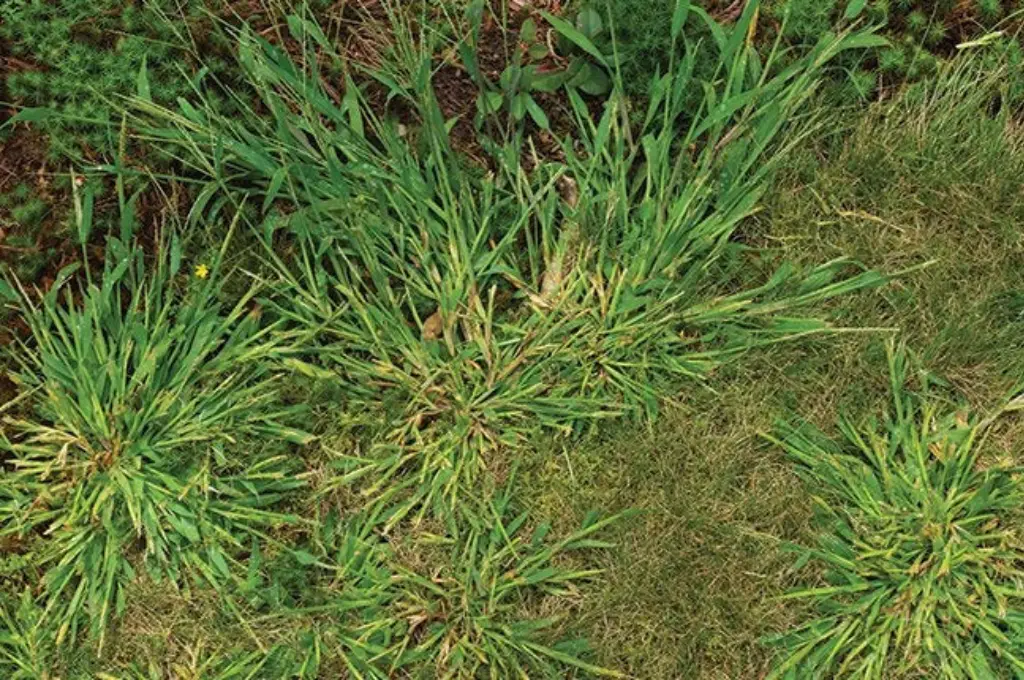
crabgrass - dallisgrass

The easiest way to tell the difference between crabgrass and bermuda is to look at the grass leaf blade width.

Bermuda is narrow leafed and low growing.

Crabgrass has a wide leaf blade and grows taller.

While the most obvious difference between the two grass is their leaf blade width and growth habit, there are other physical characteristics that can help you identify them.

Bermuda grass has a fine texture with narrow leaf blades that grow close to the ground.

Its leaves are typically flat, slender, and pointed with small hairs on both sides of the blade.

Bermuda grass roots deeply into soil up to 8 feet deep making it highly drought-resistant.

The growth pattern of this warm-season perennial grass involves both above-ground horizontal runners called stolons which expand outwards creeping through the soil producing new shoots while beneath ground rhizomes further establish roots.

Crabgrass, on the other hand, is an annual weed that sprouts from seed during summer months only surviving for one growing season before dying in frosty conditions later in fall.

This nuisance is characterized by wide leaf blades with slightly hairy surfaces, and long seed heads extending above the leaf blades once matured.

Crab grass grows uprightly forming clumps rather than producing runners or rhizomes around its base like bermuda which means it’s easily identifiable amongst turfgrasses.

Another way to distinguish between these two types of grasses is by their growth habits.

Bermuda grass grows low with a dense mat-like appearance throughout your lawn.

The leaves of Bermuda grass can grow up to 6 inches in length, but they generally grow much shorter, between 1 and 2 inches.

It typically grows well in full sun exposure areas and is resistant to droughts and warm temperatures.

Unlike Bermuda that spreads outwards, Crabgrass tends to grow vertically producing seed heads reaching above its foliage when matured.

This makes it easy to spot amongst other turfgrasses.

Crabby also requires a lot of shade during the earlier stages of growth making it easier for it to invade shaded sections within your lawn.

It prefers warm weather conditions, high moisture levels, and soil disturbance which make it invasive if left untreated over time.

Bermuda vs Crabgrass Identification Chart:

Bermuda Grass Crabgrass
Physical Characteristics Fine texture with narrow leaf blades.
Leaves grow close to the ground. Flat, slender, and pointed leaves with small hairs on both sides of the blade.
Can root deeply into soil up to 8 feet deep.
Wide leaf blades with slightly hairy surfaces.
Long seed heads extend above the leaf blades once matured.
Grows uprightly forming clumps.
Growth Habits Low growing with a dense mat-like appearance.
Leaves can grow up to 6 inches in length but generally between 1 and 2 inches.
Spreads through both above-ground horizontal runners called stolons and underground rhizomes.
Grows well in full sun exposure areas and is resistant to drought and warm temperatures.
Grows vertically producing seed heads that reach above its foliage when matured.
Tends to grow in clumps and prefers warm weather conditions, high moisture levels, and soil disturbance.
Requires a lot of shade during the earlier stages of growth.
Identifying Characteristics Narrow leaf blade width. Low growing. Dense mat-like appearance. Spreads through runners and rhizomes. Highly drought-resistant. Wide leaf blade width. Taller growing. Uprightly growing. Forms clumps. Requires shade during earlier growth stages.
Advantages Highly drought-resistant. Resistant to warm temperatures.
Forms a dense mat-like appearance.
None (considered invasive).
Disadvantages Can be invasive and difficult to control.
Can be damaged by colder temperatures.
Grows slowly.
Considered an invasive weed.
Prefers shaded areas.
Can easily invade your lawn if left untreated over time.


Knowing these traits will help you distinguish between them quickly and efficiently when needed so that you can take appropriate actions necessary in cases where unwanted weed strands are present in your lawn while also maintaining a healthy-looking yard throughout the year.


Does bermuda grass look like crabgrass?

No, bermuda grass does not look like crabgrass. Bermudagrass has thin narrow leaf blades and crabgrass has wide broad leaf blades.

Does bermuda grass spread?

Yes, bermuda is known for spreading and is considered an invasive weed in many locations.

What does bermuda grass look like in winter?

Bermuda grass turns brown as temperatures drop, as it does go dormant during winter and cold weather.

As temperatures begin to drop during the winter months, Bermuda grass undergoes some noticeable changes.

There are multiple key traits of Bermuda grass during winter, making it easy to identify.

Color Transformation:

One of the most obvious changes in Bermuda grass during winter is its shift in color. As temperatures drop, it transitions from its vibrant green hue to a brown or tan shade. This color change signifies that the grass has entered dormancy, a natural survival mechanism to withstand colder temperatures.

Dormancy:

Bermuda grass goes dormant during the winter months, especially when temperatures consistently fall below 50°F (10°C). During this period, the grass ceases to grow and focuses its energy on preserving its root system. As a result, the turf may appear thin and less dense compared to its lush, green summer appearance.

Leaf Blades:

Although Bermuda grass maintains its signature narrow, thin leaf blades in winter, they may appear less prominent. The blades may flatten and become less rigid, contributing to the overall thinner appearance of the turf.

Root System:

While the above-ground portion of Bermuda grass may appear lifeless during winter dormancy, its root system remains active beneath the soil. This allows the grass to store nutrients and energy, which will help it bounce back once warmer temperatures return.

Weed Susceptibility:

Dormant Bermuda grass can be more susceptible to weed invasion during winter due to its thinner turf coverage. It is essential to monitor your lawn for weeds and address them promptly to prevent them from becoming established.


What does dormant bermuda grass look like?

Dormant Bermuda grass has a distinct look compared to its lively appearance during the growing season.

As a warm-season grass, Bermuda grass enters a state of dormancy during the winter months, where it conserves its energy and reduces its growth rate.

Despite being dormant, Bermuda grass still retains some of its key traits that make it easily identifiable.

When it’s dormnant the color is usually light brown to golden brown color.


What Does Bermuda Grass Look like? Bermuda Grass Identification

It’s thin leaf low growing with a smooth appearance throughout your lawn.

How to make bermuda grass thicker
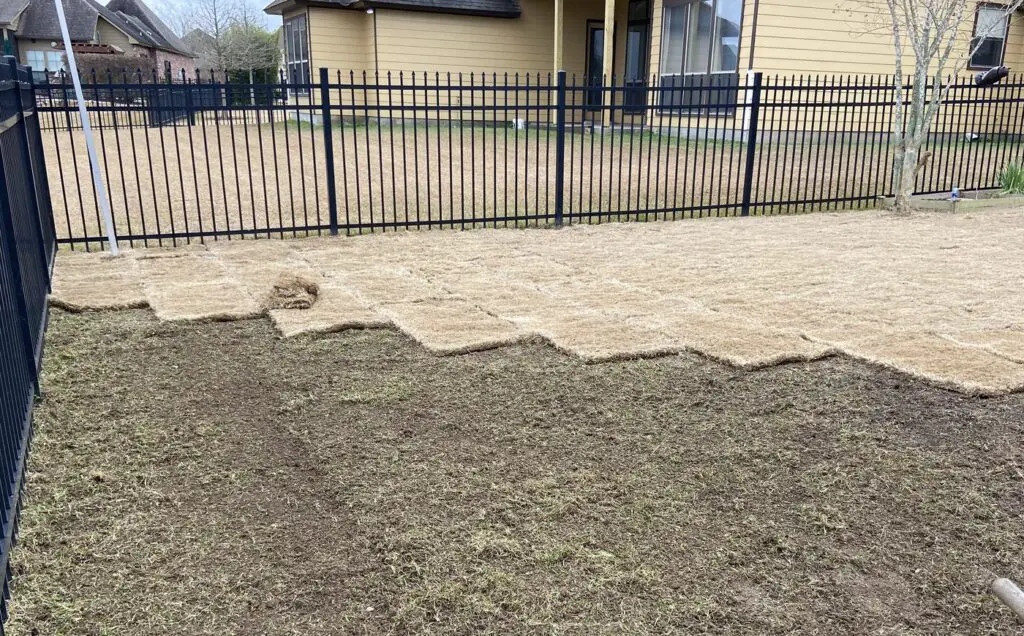
 

Can You Lay Sod in the Winter?

Can You Lay Sod in the Winter?

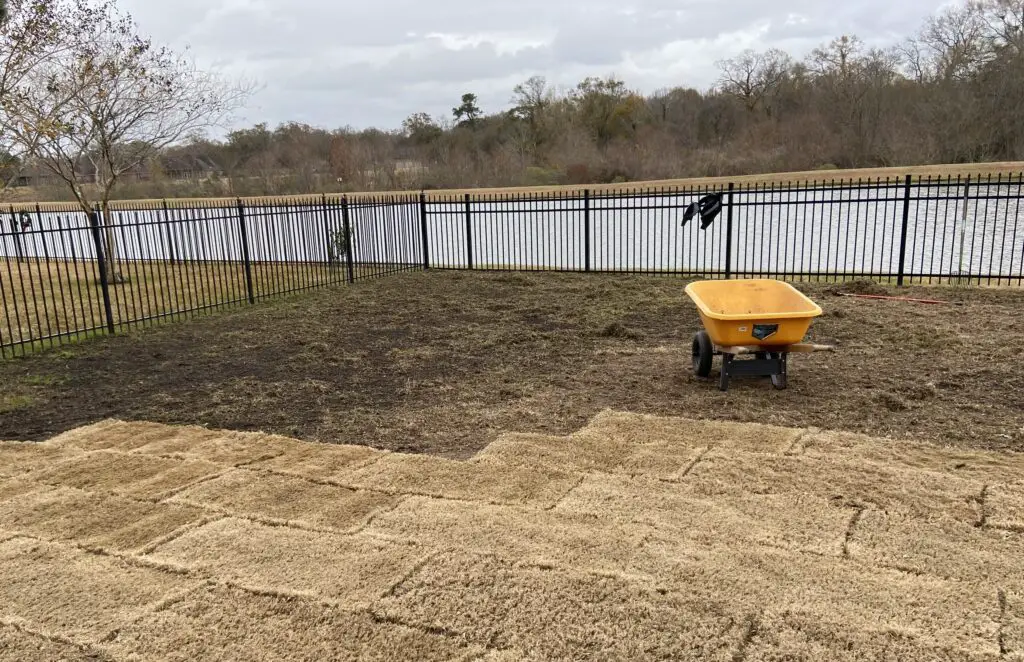
Yes, you can lay sod in the winter.

The winter is a great time to get your turf project started.

However, it is not recommended to do so when temperatures drop far below freezing.

Sod can be laid at almost any other time during the year; as long as temperatures are warm enough and it receives adequate sunlight and water.

Winter is typically thought of as the off-season for gardening and landscaping.

However, with proper planning and preparation, sod installation in winter can be as successful as during the warmer months.

Installing sod in the winter gives you an advantage over installing new grass in other seasons.

The main reason to plant sod in the winter is to get it established before spring, which allows it to be well established when summer heat sets in.

If you lay your lawn during winter, it will be more likely to get a faster start in summer than sod installed in spring.


Why Lay Sod in Winter?

Sod that’s laid in the summer can be challenging to keep alive once it gets hot outside and rainfall becomes less frequent.

Roots may have a hard time with temperatures of about 90 degrees.

However, if you lay your lawn over the winter months, it will be more likely to survive until springtime, when you can water it regularly again.

In this way, laying turfgrass sod during winter gives you an advantage over installing new grass in other seasons.


can you lay sod in the winter


Why Sodding In The Winter Can Be Beneficial

Winter sod installation can be a great option for those looking to start their landscaping project in cold weather.

There are several benefits to installing sod in the winter that make it an ideal time for this type of work.

winter installation offers several benefits to laying sod in other seasons.


The benefits of winter sod installation

Installing sod in the winter has a number of benefits that make it a great choice for landscaping projects.

One of the key advantages is that the cool weather allows for improved root growth, which leads to a stronger, more resilient lawn.

Laying grass when it’s cold also offers a head start on establishment, so that by the time spring arrives, your grass will already be well established and ready to thrive.

Furthermore, the reduced watering requirements during the winter months can help save you time and resources.

Whether you’re looking to transform a barren landscape or add a touch of green to your property, winter sod installation offers many benefits that are sure to impress.


Laying sod in winter gives your lawn a Head Start on Establishment


Laying sod in winter may seem like an unusual choice, but it can provide a head start on establishing a new lawn.

Winter is actually one of the best seasons to lay sod for mild and warmer climates.

This is because roots established in winter allow the grass to start growing immediately in the spring when temperatures rise, rather than just getting started with spring installation.

Cooler temperatures and reduced evaporation from the soil allow the roots underground to develop while the grass leaf blades above ground are experiencing winter dormancy and grass is not actively growing. Dormant sod laid during cold weather will


Improved Root Growth

Sod roots have time to establish a sufficient root system to withstand harsh temps later in the year.

When you lay sod around these times, it creates a situation where the grass blades above ground are dormant and have very little competition for water and nutrients.

This allows your new lawn to absorb these resources more efficiently than it would if you planted it during warmer months when other plants also thrive.


How Long Does Sod Take To Root In Winter?

How long it takes for sod to root in the winter is influenced by various environmental factors such as temperature, soil conditions, and amount of water.

In cold circumstances, it may take several weeks to many months for the sod to form its roots.

In general, sod takes longer to root when it’s cold outside, because the soil temperature is lower and root development is slower.

Consistent moisture and regular watering can assist root development.


Winter sod installation offers Reduced competition from weeds.

Winter sod projects offer a unique advantage in the form of reduced competition from weeds.

Winter can be beneficial because there are typically fewer weeds actively growing and competing with the new grass.

Cold weather and lack of moisture kill weeds that often compete with new lawn; which gives your grass time to get established before the weeds start growing again in spring.


autumn sod installation - can you lay sod in the fall


A benefit of winter sod installation is Reduced Watering Requirements.

One of the main benefits of winter sod installation is reduced watering requirements.

During the winter months, most regions experience colder temperatures and less precipitation than other times.

This means you won’t need to water your newly installed winter sod as often or for as long as you would in warmer months.

The combination of colder and cooler soil temperatures from snow cover will also help reduce the risk of diseases that can damage newly laid sod.

Additionally, with minimal moisture needed, it is easier to maintain consistent soil moisture levels, promoting healthy root growth.

So if you live in an area that experiences cold winters, then laying sod during this time could be a wise decision for those looking to save on their irrigation costs while still having a beautiful lawn come springtime.


Better Access to Installers

Another perk of laying sod in the winter is having better access to installers.

This makes it easier to find an installer who’s available–and willing to work on your project at your preferred time.

The competition for their services can be fierce during the warmer months, but during this time of year, fewer people want their lawns replaced with fresh grass.

Laying sod in the winter can save you money.

Sod is cheaper in the slower season, so contractors may be willing to give you a discount on the price of your project if they’re not too busy with other jobs.

If you have a smaller yard, it’s easier for one person or two people to lay sod during this time of year than during summer when it’s hot out, and more bugs are flying around!


Disadvantages of Laying sod in the winter


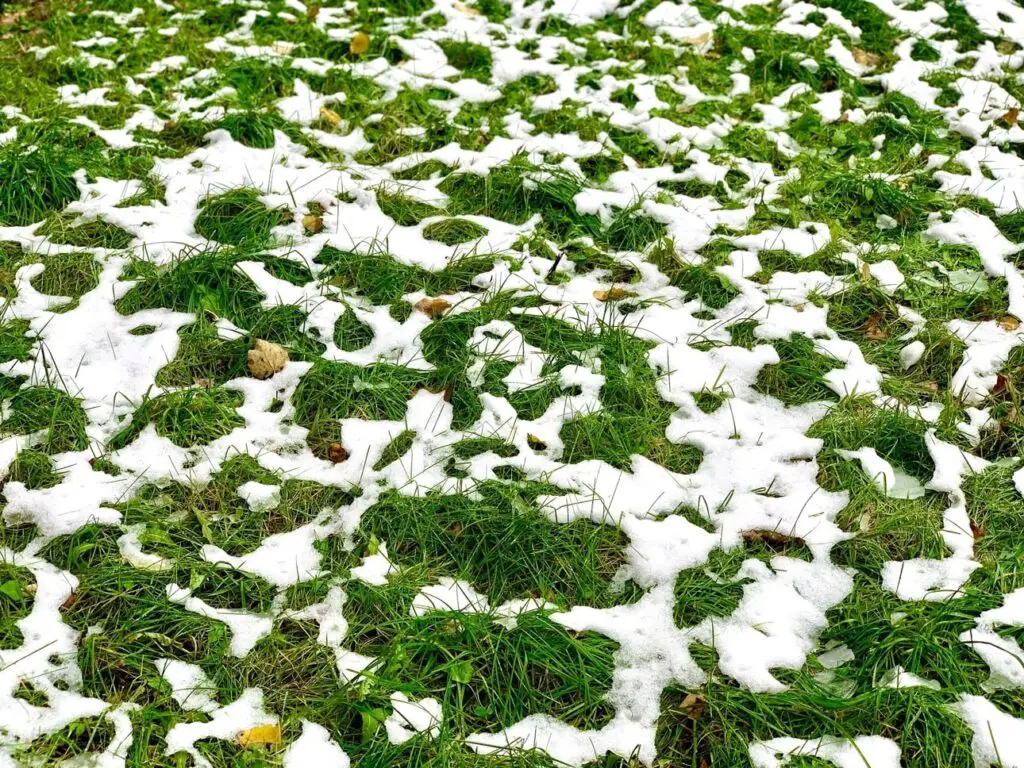
green turf grass lawn with snow in late autumn and winter


Adverse Weather Conditions

The first thing to consider is the weather.

Cold weather can make it challenging to work with new sod; if you are considering this option, it is a good idea to have a backup plan.

Grass can become brittle and die if the temperature drops too far below freezing.

If the weather is bad, it may be best to wait until spring or summer when conditions are more favorable.


Increased Risk of Freeze Damage

Cold temperatures can cause severe damage to newly laid sod, leading to a decrease in its quality and life expectancy.

When considering laying sod in winter, understand that there is an increased risk of freeze damage due to lower temperatures.

Sod is extremely sensitive and cannot survive under harsh conditions like heavy snowfall or below-freezing temperatures for extended periods.

Therefore, it is essential to assess local weather forecasts before deciding to lay sod during winter.


Limited Availability of sod during winter

While you may be eager to start your lawn project in the winter, sod is not always available in this season.

The availability of sod varies by region and variety.

One of the main problems with winter installation is limited availability.

Depending on where you live, many suppliers may not carry sod during this season due to cold weather and ground freezing.

This means that even if one wanted to purchase sod for their lawn, they may find it difficult or impossible to obtain in their area.

The best time to buy is during spring or summer when there are more varieties available.

Depends on the type of sod and location. Certain types of turf grass do well


Will Sod Die in Winter?

You might think that sod is dead in winter, but it’s not.

Turfgrass sod is dormant when temps drop and days get short.

The grass blades are still there and will grow again in spring if they’re not exposed to extreme cold for too long.

If you’re worried about your sod freezing and dying, don’t be!

Your lawn will likely survive the winter just fine.

Newly laid dormant sod may appear brown or dead.

It’s not. It’s just sleeping until temperatures warm and plants green up in the spring.


The ideal temperature for laying sod in winter

The temperature range during the installation of your sod is essential for success.

The ideal temperature for laying sod in winter is between 40-45 degrees Fahrenheit, but it can be done at lower temperatures as long as you have some help from Mother Nature after.


What Temperature is Too Cold for Sod?

You can install sod when it’s cold, but you need to be sure that the ground won’t freeze.

If the soil temperature drops below 32 degrees F, your new lawn may be damaged by frost.

If it drops below 20 degrees F, your new lawn will die altogether.


What types of grass is best in cold weather?

Because each species of grass has its own set of capabilities, you should take time to analyze your climate, environment, light, and water availability for individual demands before making a selection.

Cool-season grasses, such as Kentucky bluegrass, fine fescues, perennial ryegrass, tall fescue, and bentgrass, thrive and produce the greatest results in cooler climes.

These turfgrasses have been carefully propagated and developed to grow in colder temperatures.

They withstand harsh winter conditions, which makes them excellent for areas with cold winters and mild to warm summers.


Some Of The More Cold Tolerant Turf Grass Types

Cold Tolerant Cool-Season Turf Grasses

  1. Kentucky bluegrass
  2. Fine fescue (such as creeping red fescue, chewings fescue, and sheep fescue)
  3. Perennial ryegrass
  4. Tall fescue
  5. Bentgrass

Kentucky bluegrass:

  1. Midnight Kentucky bluegrass
  2. Kenblue Kentucky bluegrass
  3. Park Kentucky bluegrass
  4. Merion Kentucky bluegrass
  5. Monterrey Kentucky bluegrass

Fine fescue:

  1. Creeper red fescue
  2. Chewings fescue
  3. Sheep fescue
  4. Hard fescue
  5. Slender creeping red fescue

Perennial ryegrass:

  1. Pennfine perennial ryegrass
  2. Everest perennial ryegrass
  3. Pinnacle perennial ryegrass
  4. Regal perennial ryegrass
  5. DuraTuf perennial ryegrass

Tall fescue:

  1. Rebel tall fescue
  2. Brawn tall fescue
  3. Apache tall fescue
  4. Mustang tall fescue
  5. Thunder tall fescue

Bentgrass:

  1. Penncross bentgrass
  2. SR1020 bentgrass
  3. L-93 bentgrass
  4. Seaside II bentgrass
  5. Patriot bentgrass

Here are some additional cold-tolerant varieties of Zoysia grass, Bermuda grass, St. Augustine grass, and Centipede grass:

Cold Tolerant Warm-Season Turf Grasses

Zoysia grass: 

Here is a list of the more cold-tolerant varieties of Zoysia grass:

  1. Empire Zoysia
  2. Meyer Zoysia
  3. Geo Zoysia
  4. Zenith Zoysia
  5. El Toro Zoysia
  6. Emerald Zoysia
  7. Majestic Zoysia
  8. Cavalier Zoysia
  9. Palisades Zoysia
  10. Zorro Zoysia

Bermuda grass:

here is a list of the more cold-tolerant varieties of Bermuda grass:

  1. Tifway 419 Bermuda grass
  2. Princess 77 Bermuda grass
  3. Patriot Bermuda grass
  4. Blackjack Bermuda grass
  5. Riviera Bermuda grass
  6. Midlawn Bermuda grass
  7. Yukon Bermuda grass
  8. TifGrand Bermuda grass
  9. TexTurf 10 Bermuda grass
  10. Yukon II Bermuda grass
  11. TifEagle Bermuda grass
  • Princess 77 Bermuda grass is a newer variety that is known for its cold tolerance and can handle temperatures down to 10°F.
  • Patriot Bermuda grass is another variety that is relatively cold-tolerant and can handle temperatures down to 15°F.
  • Tifway 419, can handle colder temperatures and are better suited for transition climates.

St. Augustine grass:

here is a list of the more cold-tolerant varieties of St Augustine grass.

  1. DelMar St. Augustine grass
  2. Seville St. Augustine grass
  3. Bimini St. Augustine grass
  4. Captiva St. Augustine grass
  5. Flordawn St. Augustine grass
  6. Floratam St. Augustine grass
  7. Raleigh St. Augustine grass
  8. Palmetto St. Augustine grass
  9. Savannah St. Augustine grass
  10. Triumph St. Augustine grass

Centipede grass:

  1. TifBlair Centipede grass
  2. TifSport Centipede grass
  3. Thailand Centipede grass
  4. Premier Centipede grass
  5. MiniVerde Centipede grass
  6. MulchMaster Centipede grass
  7. The Mean Green Centipede grass
  8. Super Centipede grass
  9. US-1 Centipede grass
  10. Golden Crown Centipede grass
  • Centennial Centipede grass is a variety that is known for its cold tolerance and can handle temperatures down to 10°F.
  • Raleigh Centipede grass is another variety that is relatively cold-tolerant and can handle temperatures down to 15°F.


Can sod be installed on frozen ground?

I would say no, but we have heard people say they have done this successfully for years.

You can lay sod on frozen ground, but it is not recommended.

However, if you have a project with a deadline, you may have yet to have another option.


how to install sod in winter


How to install Sod in the winter

If you have decided to take on an installation project in winter, you should take precautions when planning.

Check the weather forecast for the week of your project.

You should postpone or reschedule if you see high chances of rain, sleet, or snow.

Once you decide your project schedule, you should ensure all dirt work and area preparation is completed before your grass arrive.

Use a sod cutter or tiller to remove old lawn and weeds.

Make sure the ground is level.

Fill in low areas with soil.

Rake the area smooth.

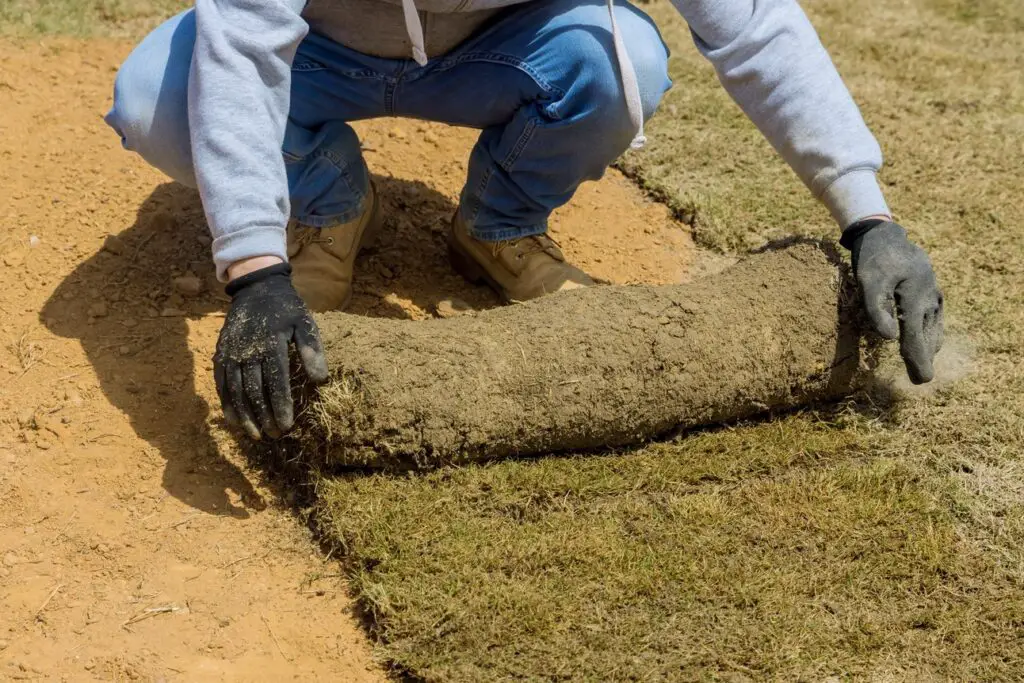
Lay the sod.

Water your new sod temperatures and weather allow.


Water You New Sod

When you install a lawn, you need to water the sod. This is important no matter what season.

Conclusion

Can You Lay Sod in the Winter? 

While installing sod any time of year is possible, winter may not be ideal in areas with extended durations of cold weather.
We’ve covered some of the advantages and disadvantages of laying sod in cold weather, as well as tips on ensuring that your new lawn lasts for years to come.
We also detailed the more important steps and why you should consider doing it.

Can a 1/2 ton pickup carry a pallet of sod?

Can a 1/2 ton pickup carry a pallet of sod?

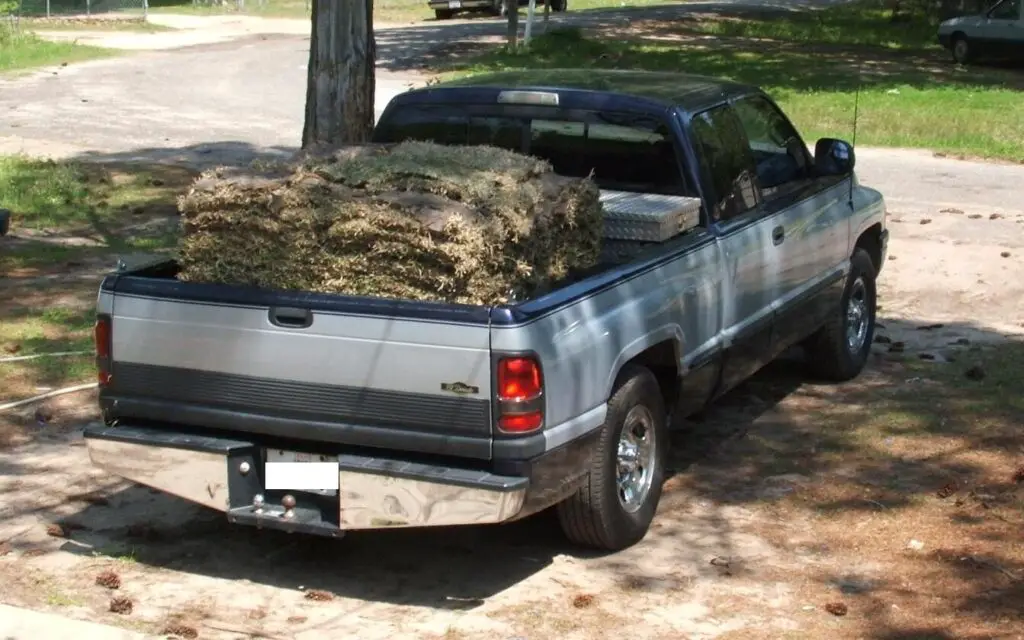
Yes, a 1/2-ton pickup truck can carry a pallet of sod, depending on the dimensions and weight.

Buying a pallet of sod can be a daunting task for those who are not fairly familiar with the process.

Especially since it requires thoughtful planning and coordination to transport.

The average pallet of sod comes on a four by four ft square pallet and weighs between 1,500 lbs and 2000 lbs.

Most half-ton pickup trucks have a payload range between 2,ooo pounds and 3,500 lbs.

So, the simple answer is yes, a 1/2 truck can carry sod.

However, there are some pertinent things you should consider if you’re thinking about hauling it yourself.


Will a pallet of sod fit in a pickup?

Yes, a pallet of sod usually measures 4′ ft x 4′ ft and the average bed of a pickup truck is 6′ ft or longer.


can a 1/2 ton pickup carry a pallet of sod grass


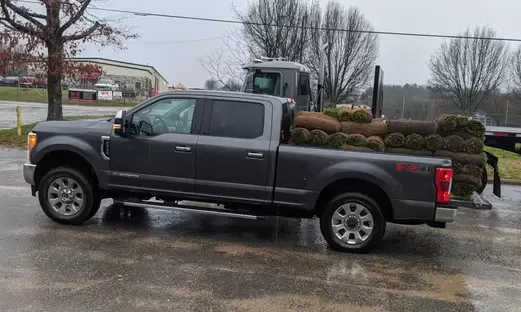
ford fx4 pickup truck with 2 pallets of sod in the bed

How do you haul a pallet of sod?

There are multiple ways to haul sod grass.

The method you use will depend on the amount of grass, the type of truck, and the equipment you have available.

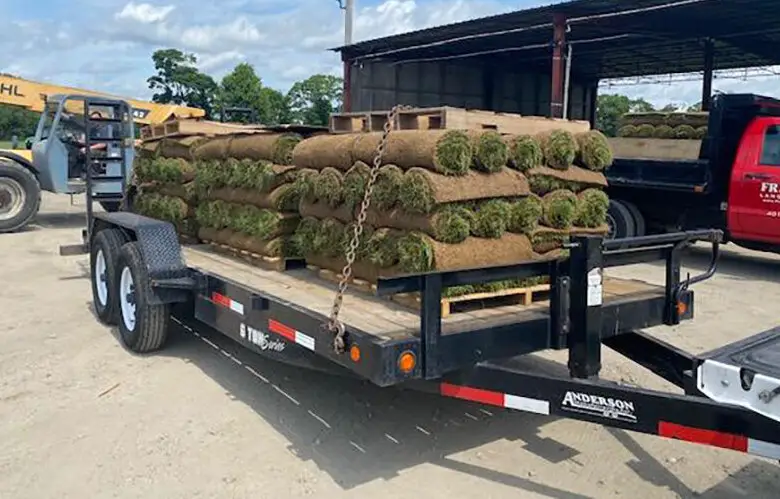
If you have only one, you can haul it in the back of a pickup truck or a utility trailer.

To haul turf grass on a small truck, you need to make sure that the truck is properly equipped to handle the load.

Check to ensure you have the appropriate tires and suspension system.

Once you have grass, secure the load properly to keep it shifting during transport.


Two or more pallets:

When you have two or more pallets, we suggest you use a medium to large utility trailer.

For orders with for or more pallets, you will probably need a 3/4 ton truck and a heavy-duty trailer.

Six or more pallets:

Orders of 6 or more pallets are usually delivered with commercial and semi-trucks.

These trucks are equipped with the necessary requirements to get your grass delivered.

They usually have a forklift to offload the turfgrass at your property.


Can a Silverado 1500 carry a pallet of sod?

A Chevrolet Silverado 1500 can definitely carry a pallet of sod.

We started with a Silverado 1500, and we loaded pallets in the bed for years.

One thing to note is the springs and shocks may get overloaded and bottom out.

But overall, Chevys are built to work.

Chevrolet Silverado Max payload is 2,443 pounds.

The truck with the highest max payload is the Ford F-150, which is 3,325 pounds.

GMC Sierra’s max payload is 2,441 lbs.

Dodge Ram Max payload is 2,325 pounds.

Last but not least, the Toyota Tundra comes in with a max payload of 1,940 pounds.


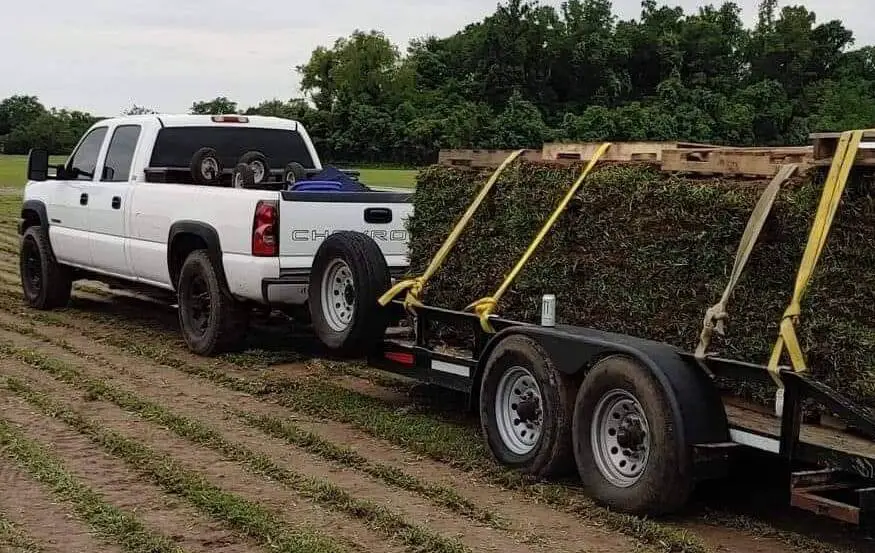
chevrolet silverado pickup truck hauling sod grass on a trailer


Conclusion: Can a 1/2 ton pickup carry a pallet of sod?

The short answer is yes, but you need to verify your truck can handle the weight of the product you’re purchasing.

Best Sprinklers For New Sod


You’ve just laid down fresh sod grass lawn and want to ensure it gets the best possible care.
Installing new sod grass can be a rewarding project when done right.
Basic lawn care after you lay sod will give your grass the best chance for success.
The most important part of caring for new sod is; giving your grass lots of water.
Proper watering is a task that takes consistent time and effort.
The most efficient way to water your turfgrass is with lawn sprinklers.
Sprinklers make watering easy.
Having the right irrigation system for your lawn can lead to a healthier and greener yard.
But what kind of sprinkler should you use?
The perfect watering system should be tailored to your individual watering needs, from coverage area to water pressure.
Luckily, there are plenty of great options out there for you to choose from.

best sprinklers for new sod


There are multiple types of sprinklers available with different features.

The type of sprinkler you need depends on the size of your yard, the type of grass you have in your yard, and the type of soil in your yard.


how to care for new sod grass - watering your new lawn sod grass


How to Choose the Best Lawn Sprinklers For New Sod

Choosing the right sprinkler features for your newly installed sod grass can mean the difference between a lush lawn and one that’s struggling. A quality lawn sprinkler will help you ensure that your sod grass gets enough water to take root and grow properly. But, with so many contrasting types of sprinkler, it can be extremely confusing and difficult to decide which one is best.

When selecting a lawn sprinkler for new sod, take these factors into account:

  • The specific water requirements of the type of grass you have.
  • The size of your lawn area that needs irrigation.
  • The location of your water supply.
  • The water pressure and amount of water you need to use.


Spray Coverage

Theoretically, the most important factor to consider is spray coverage. Spray coverage is how far and how many times the water will spray. The wider the water spread, the more area your sprinkler can cover in one pass.

Spray patterns are also important when choosing a sprinkler; some may be better for certain locations than others. For example, use a 90-degree or 180-degree angle or adjustable spray pattern if you have a square or rectangle area. For circular areas, use a cone spray pattern.


lawn sprinkler to water lawn grass in hot weather

Coverage distance

Coverage distance is determined by the type of irrigation system and the water pressure you have at your property.

Start by calculating the square footage of the area that needs irrigation.

Once you know the area and square footage, you can accurately calculate how many sprinklers you need.

You’ll need one sprinkler per 100 square feet of lawn.

In-ground sprinkler heads usually deliver longer-distance spray coverage.

However, if your lawn is larger than that, then consider adding more sprinklers.


Sprinkler Durability

Sprinkler durability is a key consideration when you’re buying one.

When you spend money on a sprinkler, you want to ensure it will perform effectively.

The best sprinklers are those that are well-made and can be used over and over again without breaking down or malfunctioning.

Some factors to consider when examining the durability of a specific model include the following:

  • The materials used to make the device; metal is generally stronger than plastic.
  • A warranty; if your manufacturer offers an extended warranty, it’s generally indicative of higher-quality products.
  • Reviews; if many people have complained about poor durability in particular models, it may be best to avoid them.
  • Consider heavy-duty models that are built to last.


Water Management

Use a sprinkler that conserves water.

Look for a sprinkler that uses less than 1.5 – 3.5 GPM when possible.


best time to water lawn in hot weather

Types of Sprinklers

There are many types of sprinklers on the market:


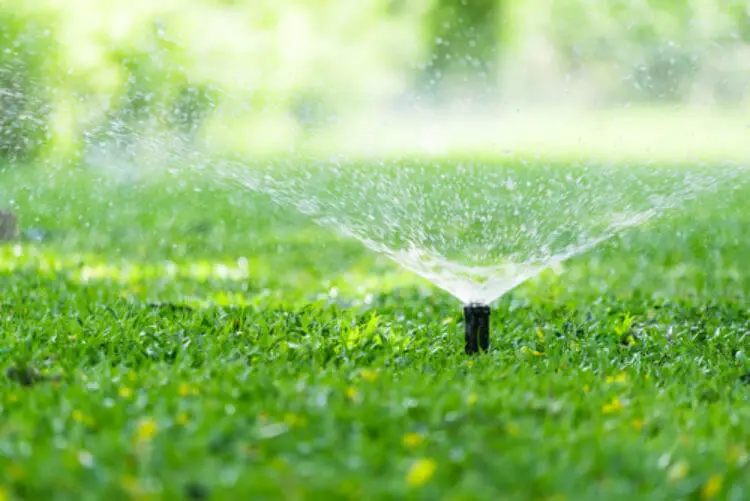
Pop-up Sprinklers

Pop-up sprinklers come in in-ground and above-ground models.

They’re available in several different sizes, but all function similarly.

They have a spring that causes the head to rise above ground level when it’s triggered by water pressure, then fall back down when it runs out of water.

Pop-up nozzles are ideal for watering new sod grass because they create tiny mist and fine water droplets that spread over a wide area and penetrate deeply into the soil to reach roots efficiently.


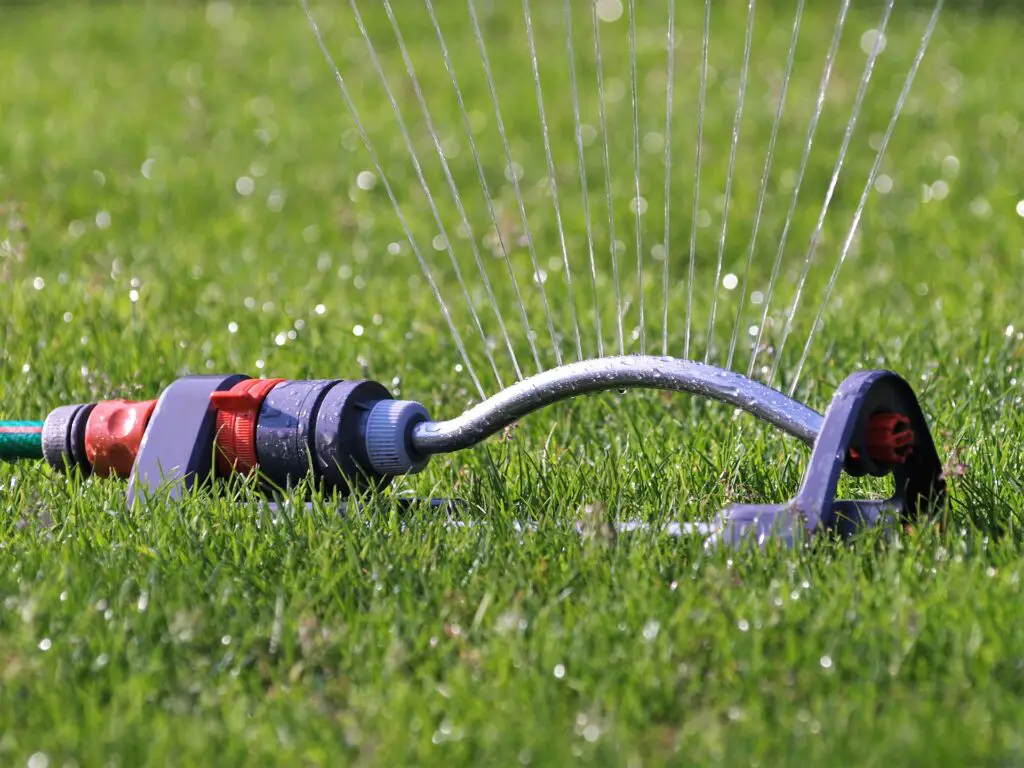
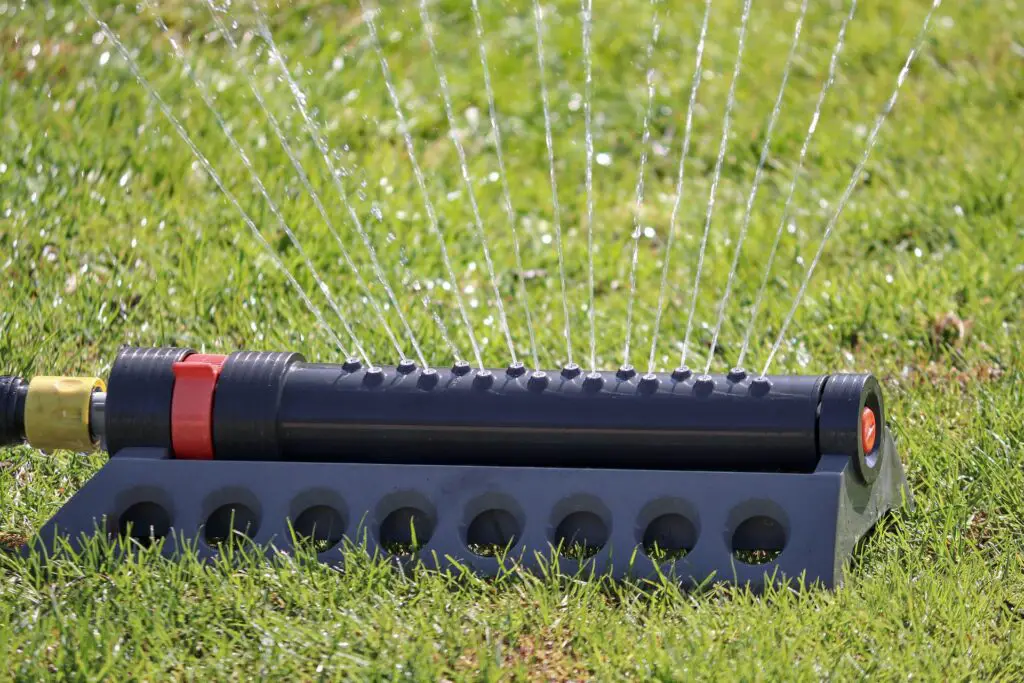
Oscillating Sprinklers

Oscillating lawn sprinklers are a convenient and efficient way to water your garden or lawn.

These sprinklers bring the convenience of watering your garden with a push of a button, allowing you to spend less time worrying about the condition of your yard.

Oscillating sprinklers operate just like pop-ups; when triggered by water pressure, they rise above ground level; when they run out of water, they fall back down again.

They offer superior coverage for larger areas compared to other types of sprinklers and help conserve water by delivering precise amounts in specific spots..


Rotor Sprinklers

Rotor sprinklers are a great option for watering newly-sodded grass.

They provide an even, uniform distribution of water across the entire area, ensuring that all parts of your lawn get the moisture they need.

These rotating sprinklers are specifically designed to work with any size yard and in any climate, making them a reliable choice for many homeowners.

With rotor sprinklers, you can customize irrigation settings to meet the needs of your specific landscape.

This allows you to set each zone individually according to how much water is needed, considering soil type and slope as well as sun exposure and wind resistance.

The adjustable nozzles on these systems allow you to target areas that need extra attention while avoiding those already receiving adequate hydration.


Pulsating Sprinklers

Pulsating sprinklers are one of the best types of sprinklers for new sod grass.

They are designed to provide even, uniform water coverage over a large area; and are ideal for newly laid sod.

Pulsating sprinklers come with various features such as adjustable spray patterns and arc lengths, allowing you to tailor their performance and placement to your needs.

The rhythmic pulsating action of the spray head helps distribute the spray evenly.

This helps reduce runoff and conserve water by ensuring that only the necessary areas receive water.


In-ground vs. Above ground lawn sprinklers

There are two types of lawn sprinklers: in-ground and above-ground.


In-Ground Sprinkler Systems

An in-ground sprinkler system is a form of irrigation composed of a complex network of piping, valves, nozzles, risers and sprinkler heads that distribute water to designated areas.

In-ground sprinklers are more durable, water efficient and can be adjusted to fit your yard.

The system is buried underground and protected from the elements to help ensure it will work when you need it.

All components are designed to work together to deliver the right amount of water at the right time.

They all operate by pushing water through the pipe using pressure created by your home’s water supply; and come with various types of heads, including rotary heads, oscillating, and pulsating.

Installing a system can be complicated, but the process can be much simpler with the right product and knowledge.


Above-Ground Sprinklers

Above-ground sprinklers are an ideal irrigation solution for newly installed sod grass.

This system is easy to install, cost-effective, and can be set up effectively to provide a consistent source of hydration for your new lawn.

Above-ground sprinklers help promote healthy growth through even water distribution around the sod, reducing stress on the turf and leading to a lush, green landscape in no time..

An above-ground sprinkler system acts like an automatic sprinkler hooked up to your home’s water supply or hose.

Above-ground sprinklers are easier to install since they don’t require digging into the soil. This makes them ideal for people who aren’t confident with their DIY skills or don’t want to deal with any potential damage caused by digging too deep into the ground (like breaking pipes).


Best In-Ground Sprinkler System

The best in-ground sprinkler system can be installed quickly and easily.

It provides water for your entire yard and doesn’t require a lot of maintenance.

It comes with an anti-siphon valve to prevent water loss due to backflow, it has an LCD display that makes programming easy even if English isn’t your first language, and it won’t clog like some other systems do over time!

Here are the best in-ground irrigation systems.

  1. Rain Bird Sprinkler System
  2. Hunter Irrigation System
  3. Orbit Sprinkler System
  4. Toro Sprinkler System

The Rain Bird SST Series irrigation timers are easy to use and program. is excellent because it has all the features you’ll need in a top-of-the-line sprinkler system.


Best In-Ground Sprinkler System

The best in-ground sprinkler system can be installed quickly and easily.

It provides water for your entire yard and doesn’t require a lot of maintenance.

It comes with an anti-siphon valve to prevent water loss due to backflow, it has an LCD display that makes programming easy even if English isn’t your first language, and it won’t clog like some other systems do over time!

Here are the best in-ground irrigation systems.

  1. Rain Bird Sprinkler System
  2. Hunter Irrigation System
  3. Orbit Sprinkler System
  4. Toro Sprinkler System

The Rain Bird SST Series irrigation timers are easy to use and program. is excellent because it has all the features you’ll need in a top-of-the-line sprinkler system.


Best Above-Ground Lawn Sprinklers

Above-ground lawn sprinkler systems are great if you don’t want to dig trenches and your yard.

They’re easy to install, cost-effective, and don’t require professional installation.

The best above-ground lawn sprinklers are the ones that get the job done with minimal effort.

They use less water than other types of sprinklers; and won’t cause damage to your yard or home.

They should provide ample coverage for your entire yard.

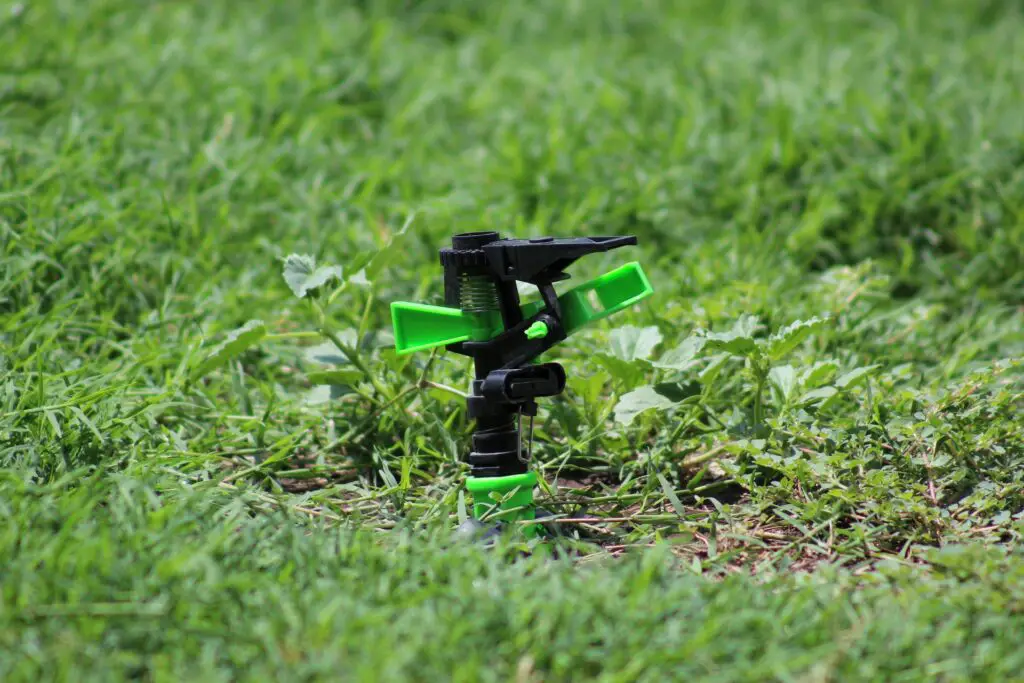
  • Orbit Brass Impact Sprinkler
  • Melnor Oscillator Sprinkler
  • GrowGreen Rotating Lawn Sprinkler
  • Gilmour Spot Sprinkler

Best Lawn Sprinkler for Large Lawns

A single sprinkler will not be sufficient if you have a large yard.

The best lawn sprinklers for new sod grass will cover most of the area without breaking the bank.

These types of lawn sprinklers include:

  • Rain Bird
  • Hunter
  • Orbit

Best Lawn Sprinkler for Medium Lawns

For medium lawns, any of the in-ground or above-ground options will work for your lawn. 


Best Lawn Sprinkler for Small Lawns

Consider a simple portable garden hose sprinkler or hand-held sprinkler if you have a small lawn.

These are easy to use and inexpensive, making them the perfect choice for anyone who wants their yard to look great without spending much money.

Because they’re portable and lightweight, so they can be moved around easily.

This makes them ideal for medium-sized yards with enough water pressure from your home’s faucet but not so much that it would break if someone accidentally bumped into it while walking past!

Use a little sprinkler for smaller lawns or water by hand. A hand-held sprayer on your hose makes an easy-to-use sprinkler you can use.

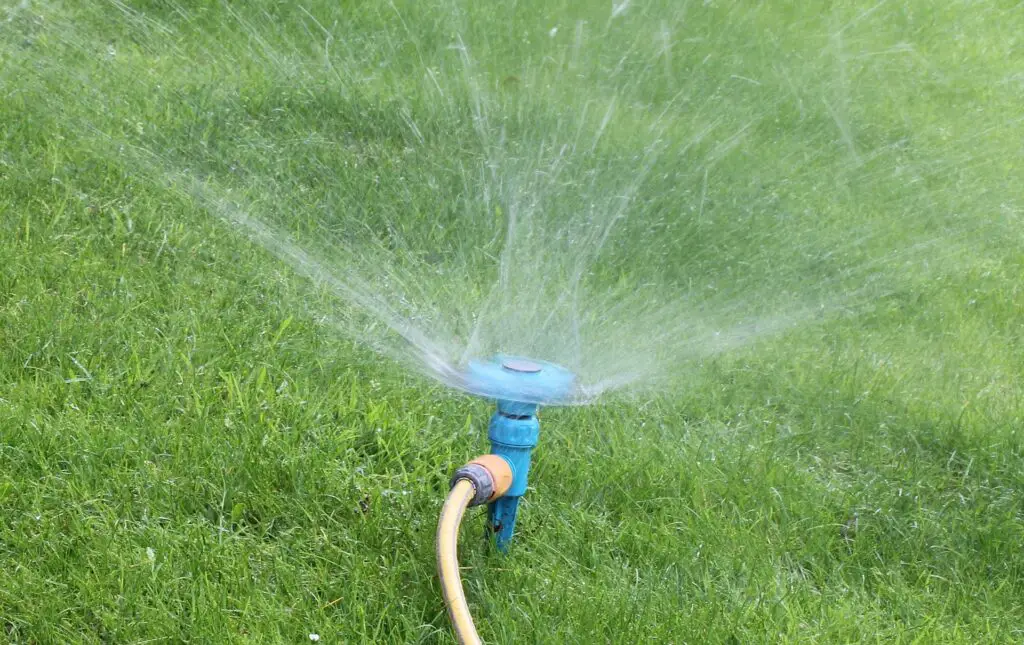
The Orbit Gear Driven Portable Lawn sprinkler: 

orbit gear driven lawn sprinkler with spike


Best Lawn Sprinklers for New Sod

Rain Bird In-Ground Automatic Sprinkler System Kit

This set from Rain Bird is a great choice if you’re looking for an easy way to set up an automatic sprinkler system. It allows you to create a new irrigation system in minutes and comes with everything you need for installation.

You’ll get the controller and timer included with this kit and other adapters that make it compatible with 3/4 inch pipes and 50 PSI maximum pressure.

The controller can be easily programmed via an app on your smartphone or tablet, so you can adjust the watering schedule whenever necessary—all without having to leave home!


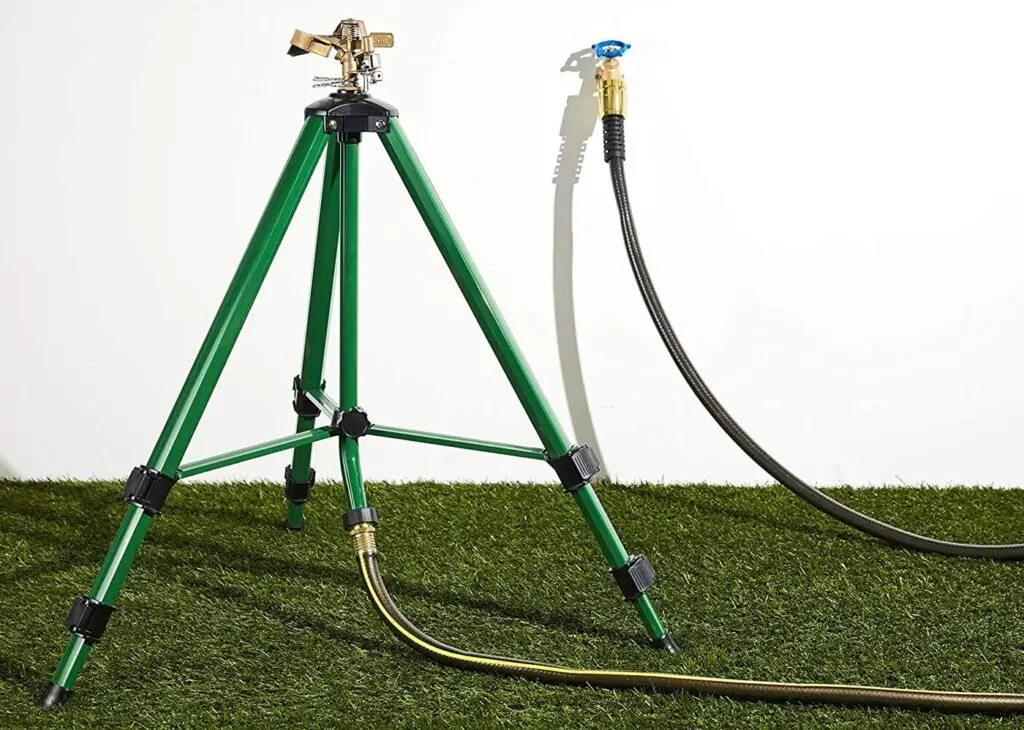
Orbit Brass Impact Sprinkler

The Orbit Brass Impact Sprinkler is a good choice if you’re looking for an easy-to-install sprinkler that won’t break the bank. It’s made from solid brass and has an adjustable arc pattern, so you can adjust it to your lawn’s needs and ensure it’s watering evenly across your grass.

If you have a large lawn, this will be more than enough; the Orbit Brass Impact Sprinkler flow rate is also adjustable; and can spray water up to 40 feet away! 

The Orbit Brass Impact Sprinkler is easy to install and can be done within minutes after reading the instructions on how to do so.


orbit brass inpact sprinkler on tripod green color


Melnor Oscillator Sprinkler

The Melnor Oscillator Sprinkler is an excellent choice for lawns of all sizes, from small to large. So whether you need to water a medium-sized lawn or keep a huge one healthy and green, the Oscillator will get the job done. It’s easy to install, so you can use it any season without hiring someone else to do it for you. You can also adjust its height depending on how much water your plants need at any given time of year, making sure that everyone’s happy!


Gilmour Spot Sprinkler

The Gilmour Spot Sprinkler has four wheels and can easily move around any area of your yard. It’s also adjustable and can be set at any angle or distance from the house. The design is simple: attach it to a hose, turn on the water pressure and point it where you want to water!

The Gilmour Spot Sprinkler is best suited for small gardens or lawns under 1/4 acre; it’s not designed for large areas because of its limited water capacity (about half an inch per second).


Conclusion: What is the Best Lawn Sprinklers for New Sod?

The best lawn sprinkler is the one that fit the needs at your property location. There are many types of sprinklers available for different situations.

For small yards, an above ground sprinkler will work fine. Get one that can connect to your hose. There are many brands available and you can find one at your local garden center, hardware store or big box store.

You can even order oline from Home Depot, Lowe’s, and Amazon.

If you have a large area, and don’t want to connect hoses everywhere; install an in-ground system.

You can choose from a variety of designs, including oscillating and impact rotors.

The choices include above-ground or in ground, plastic or metal, and other features such as durability and conservation.

Why Is My New Sod Turning Brown?

You were so excited to get your new lawn installed, but things changed and now you wonder why is my new sod turning brown?

When you install turfgrass, you probably envision enjoying a beautifully lush, green lawn.

So, it’s frustrating when your new sod starts to turn brown.

When you’ve just completed your project, and it’s already looking bad, there are a few quick checks you can do to find the problem.


Why is my sod turning brown?

There are several possible reasons why your sod may be turning brown.

To solve your problem, and save your grass, you’ll need to find the cause.

1. The most common reason new sod is turning brown is that it’s under watered.

Sod needs a consistent supply of moisture to establish a robust root system that can sustain new growth.

If it doesn’t get sufficient hydration to deal with the stress of transplanting; the grass will begin to show signs of stress.

2. Another possible reason that your newly laid sod may be turning brown is because it’s getting too much water.

Overwatering can also cause the grass to turn brown; since the roots of the grass can suffocate and rot in overly wet soil.

3. Another possibility is that the sod was cut too thin.

4. Other possible causes of browning sod include insect damage, disease, or a lack of nutrients in the soil.

5. Dog and cat waste can also cause brown spots. It’s best to keep pets off your new grass until it’s thoroughly established.

6. Heat stress is usually the most common cause of new sod browning..

The heat and hardness of cement can cause grass dying near concrete. Make sure to water along driveways and sidewalks thoroughly.


These signs indicate that your sod is not getting the proper water or nutrients it needs to thrive.

If you see these signs, you should take action to save your grass.

A local lawn care professional can help you ascertain the specific cause of the problem and develop a plan to address it if you find it difficult to figure out.


Signs Your Sod is Dying.

A healthy, green lawn is the result of proper care and maintenance.

But even if you’re taking good care of your sod, there are still some telltale signs that it’s not as healthy as it could be.

It can be disheartening when your beloved lawn shows signs of dying.

After all, you’ve probably spent a lot of time and money on getting it to look just right.

But don’t worry. There are some things you can do to revive your lawn.

Here are some signs that your sod is dying and what you can do about it.

The first sign is usually a change in color, from green to yellow or brown.

You may also notice that your turf is thinning out or that bare spots appear.

The grass may also be less resilient, bends easily or breaks when you walk on it. 


Can brown sod be saved?

It’s frustrating when you spend time and money on new sod, only to see it turn brown.

While it’s not always possible to salvage dying grass, there are a few things you can try.

Don’t despair just yet.

There are a few things you can do to save your browning sod.

If there’s a prolonged period of hot, dry weather in the forecast, water twice daily for fifteen minutes each time.

This will help keep the roots moist and prevent the grass from dying.

Once the grass recovers, give the grass some lawn food or a good lawn fertilizer.

Organic slow-release lawn fertilizer works best.


Will my brown sod turn green?

Browning sod can be caused by multiple issues.

The most common reason is improper watering and irrigation.

Since the browning is caused by water, you can easily fix the problem.

Your grass may be dormant and need to be acclimated, If it was delivered in the winter or early spring.

There’s a great chance that you can save your grass If your new lawn turned brown after it was installed.


Conclusion

There are several reasons why new sod may turn brown.

However, most of the time, there are also some simple solutions that can help bring your new sod back to life.

Water twice daily for fifteen minutes to help bring your sod back to life.

Check the soil moisture level to see if the cause was over watering.

If so, turn off the water for a few days and allow the soil to dry.

Once you find the issue, you can replace the pieces that didn’t survive.

Contact the supplier from which you ordered the grass so get the same type of grass.

You might want to contact the supplier If there was brown sod on pallet when you ordered it so that they can assist you.

What Is 21-7-14 Fertilizer Used For

Fertilizer is an extremely important aspect of gardening and plant care.

21-7-14 fertilizer is one of the most popular fertilizers used by landscapers and lawn enthusiasts today.

This multi-purpose lawn fertilizer blend has a pleasantly high nutrient content that helps promote strong root growth, and better overall plant health.

It contains nitrogen, phosphorus, potassium, and trace minerals in a balanced ratio designed to deliver the best results.


What Do the Numbers Mean?

If you ever find yourself looking at a bag of fertilizer and wondering what the numbers mean, this should help clear up a few things..

The first number is (N) which is the amount of nitrogen.

The second number is (P) is the amount of phosphorous.

Finally, the third number is (K) is the amount of potassium.

They are always listed in that order.


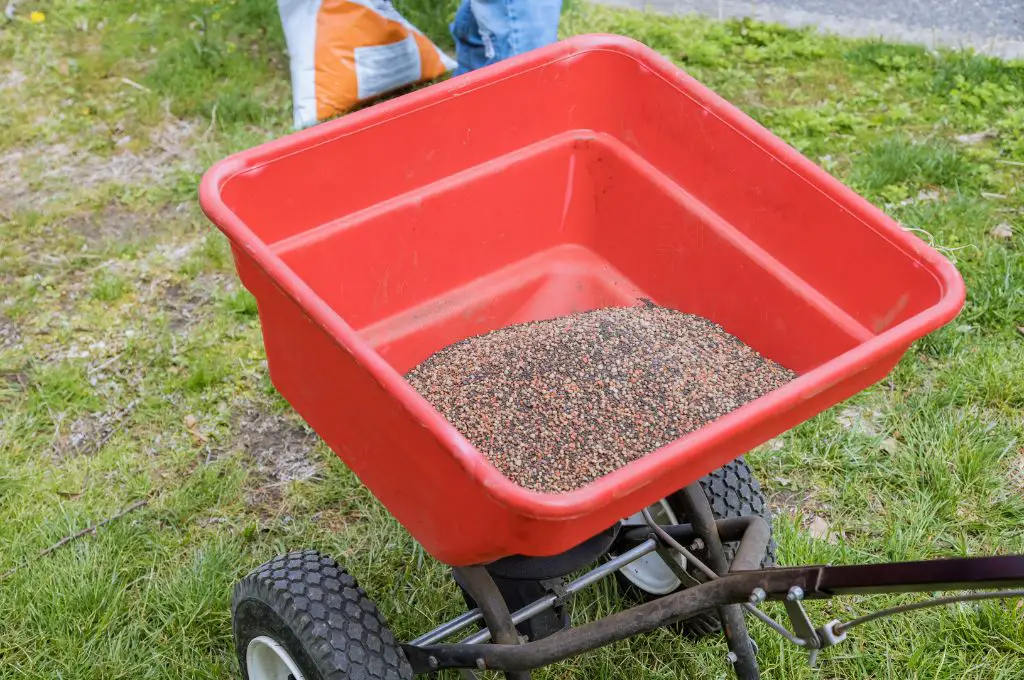
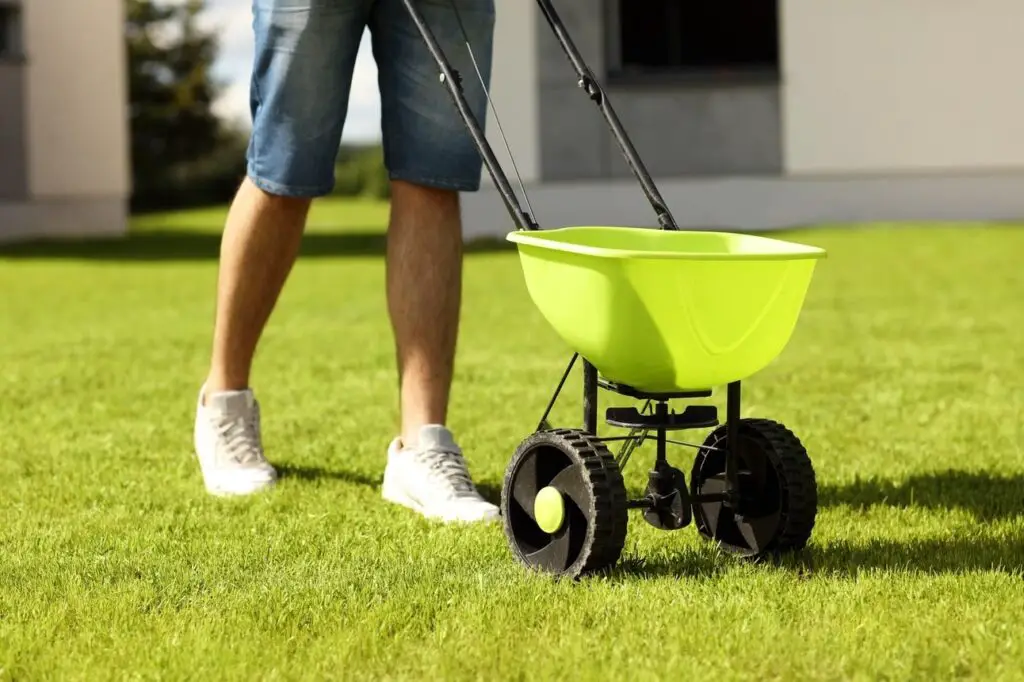
broadcast spreader for lawn care treatments of fertilizer, herbicides, insecticides


What Is 21-7-14 fertilizer?

21-7-14 is a popular choice for lawns and gardens.

This well-balanced blend of the three major plant nutrients; nitrogen, phosphorous, and potassium is great for most turf grass varieties.

It is made up of 21 percent nitrogen, 7 percent phosphorus, and 14 percent potassium..

These nutrients are essential for plant growth and development.

21-7-14 is often used to provide nutrients to turf grass and garden plants.

This fertilizer can be applied to both new and established lawns and is a great all-purpose plant food. that can be used on a variety of plants.


When to Use 21-14-17 Fertilizer

When it comes to fertilizing, timing is everything.

To have a healthy and thriving lawn. 21-14-17 should be used in the spring and early summer.

It will give your lawn the nutrients it needs to grow strong and green.

In the summer, you can use a different fertilizer, such as 10-10-10, to help your plants stay hydrated and green.

If you want your lawn to look its best, you need to fertilize it regularly..


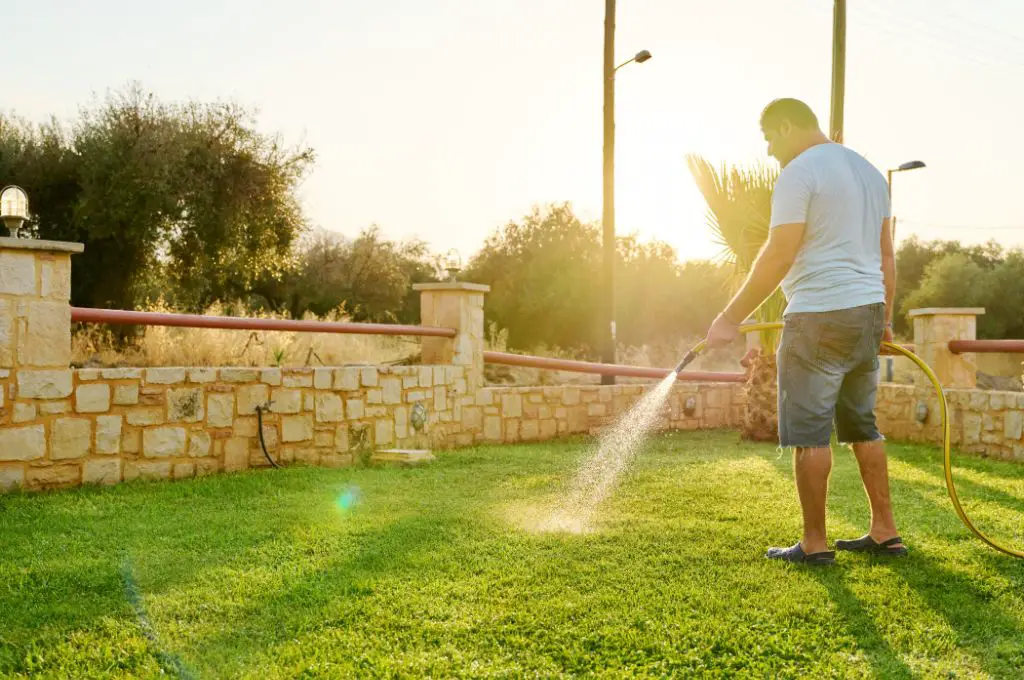
man watering lawn grass


How to Use 21-14-17 Fertilizer

Fertilizer is important for keeping your lawn healthy and green.

Using the right products can make a big difference in the health of your lawn.

21-14-17 is a great choice for lawn nutrition.

It is high in nitrogen, which is essential for healthy grass growth.

It also has a good balance of phosphorus and potassium, which are important nutrients for lawn health..

This lawn and plant food can be applied in granular or liquid form and is also used as a foliar spray..

It can be applied foliarly to the soil or to the leaves of plants.


Here are some tips on how to use 21-14-17 fertilizer:

1. Apply the fertilizer to your lawn when the grass is dry. This will help prevent it from burning the grass.

2. Use a spreader to apply the fertilizer evenly over your lawn. Be sure to follow the manufacturer’s instructions on how much to use per square foot of lawn.

3. Water your lawn after applying..


What Is The Best 21-14-17 Fertilizer?

The best 21-14-17 fertilizer is L A Lawn Food.

It is high in clean and organic nitrogen, phosphorus, and potassium.

This fertilizer will provide your plants with the nutrients they need to grow strong and healthy.


Bandini Pro Choice 21-7-14

Yara 21-7-14


what is 21-7-14 fertilizer used for

What Is Spoon Feeding Lawn?

Lawn care can be a tedious, time-consuming chore, especially if you don’t have the tools you need to do the job right.

Mowing, watering, and fertilizing are required to keep your grass looking its best.

Spoon feeding lawn is a new method of lawn care that is becoming popular because it is much less time consuming.

This method involves using small doses of fertilizer and water regularly rather than large amounts all at once.

Spoon feeding your lawn gives you greater control over the health and appearance of your grass and can help prevent problems like brown patches or bare spots.

What is Spoon Feeding Lawn?

spoon-feed

What are the benefits of spoon-feeding a lawn?

Though it may seem tedious, there are many benefits to spoon feeding your lawn.

A spoon-feeding program gives you an opportunity to watch the progress and health of your lawn. If you are particularly worried about weeds or other pests, regular maintenance is a great way to keep an eye on them.

Here are a few more benefits of spoon-feeding

  • It helps to ensure that your grass gets a steady supply of consistent nutrients to be healthy and strong.
  • Reduces risks of burning your grass with over-fertilizing with too much fertilizer.
  • Allows the turf grass to have more efficient uptake and use of nutrients.
  • Spoon feeding can also help make your lawn more resistant to pests and diseases.

When is the best time to spoon feed lawn?

The best time is usually in the morning or evening. This is because the sun isn’t as harsh, and the temperatures are cooler, which helps the lawn absorb nutrients more efficiently. However, you should avoid doing it midday when the sun is at its strongest since this can damage the grass.

tif tuf bermuda grass beneath trees in the shade


What season is best for spoon feeding?

There are benefits and drawbacks to feeding your lawn during every season. Here, we will explore the best time of year to spoon-feed your lawn.

The best time to feed your lawn is during the spring. This is because the grass is actively growing and can use the soil’s nutrients. The warmer temperatures also mean that there are fewer chances of frost damage.

However, you should avoid applying to your lawn during the summer. The heat can cause the grass to go into shock, which will result in it turning brown and dying.

If you live in an area with a warm or mild climate, you can get away with feeding your lawn during the fall. This will give the grass a chance to store energy for the winter months.

Just be sure to stop at least six weeks before the first frost date.

How often should spoon-feeding lawn be done?

The general rule of thumb is to apply small amounts of fertilizer every 2-3 weeks during the growing season. However, you may need to adjust this based on the specific needs of your lawn.

Use a slow-release fertilizer with less nitrogen to keep a steady supply of nutrients available to the plant at all times.

Apply small amounts either weekly or bi-weekly, throughout the growing season

Keep the turf watered with sprinklers and irrigation.

if you have a lot of trees or other plants in your yard, you may need to adjust application rates to compensate for their nutrient demands..


What type of fertilizer should be used for spoon feeding lawn?

Start with a good quality lawn fertilization that is designed for turfgrasses.

Some people use 5-0-5, 10-0-10, and spoon feed milorganite 6-4-0 in low amounts for root development and consistent growth.

Most experts recommend using either a liquid or slow release granular fertilizer. Both have their pros and cons, so it really comes down to personal preference.

Liquid fertilizer is the easiest to apply and is quickly absorbed by the grass. They can be sprayed directly onto the grass or mixed into irrigation systems.

Liquid fertilizers are typically more expensive than granular, but they’re also easier to apply evenly across your lawn.

Granular fertilizers are cheaper and easy to find in stores, but they can be difficult to spread evenly.

They must be applied by hand, using a rotary broadcast or drop spreader.

Granular is less expensive than liquid.

However, it can be challenging to apply evenly and takes longer to break down.

Foliar application is a method of applying fertilizer directly to the leaves of the grass.

This allows for quick absorption and eliminates the risk of root damage..


broadcast spreader for lawn care treatments of fertilizer, herbicides, insecticides


Essential Turf Grass Nutrients

Supply of nutrients essential to maintaining that deep green color.

A healthy lawn requires 17 essential nutrients. Three of the primary nutrients – nitrogen (N), potassium (K), and phosphorus (P) – are needed in relatively large amounts and are commonly referred to as macronutrients.

The other 14 elements, calcium, magnesium, and sulfur, are needed in smaller amounts and referred to as micronutrients.

Nitrogen is the most essential nutrient for turfgrass and is required for proper growth and greening.

It is also the nutrient that is most likely to be lacking in your soil. The amount of nitrogen you need to add to your soil depends on the type of grass that you have.

Nitrogen is a mobile nutrient that can move within the plant from older to newer leaves. This movement allows the turfgrass plant to continue growing and producing new leaves even when existing leaves are deficient in nitrogen.

If you have cool-season grass like Kentucky bluegrass, you may need to adjust the amount of nitrogen than you need for warm-season grass.

Potassium is another important macronutrient for turfgrass. This nutrient strengthens the plants’ resistance to disease and stress.

Phosphorus is the third primary essential turf grass nutrient. It helps to promote cell division and root growth..

Humic is added to help with soil structure and to help plants uptake lawn food.

How To Apply Spoon Feed Lawn Fertilizer

Applying lawn fertilizer is a great way to give your lawn the nutrients it needs without overdoing it. Here are a few tips on how to help you out..

1. The best time to apply spoon-fed lawn fertilizer is early morning before the sun gets too hot. This will help it penetrate the soil better.

2. Use a sprayer or spreader to apply the fertilizer so that it goes on evenly. Read the instructions so you can calibrate the tools to disperse the proper amount of nitrogen per 1,000 sq ft.

3. Apply evenly over the entire lawn. You’ll need to figure out the application rate. This varies depending on your type, but it’s typically between 1 and 2 pounds per 1,000 square feet.

4. Water your lawn after applying so that it can start working its way into the soil.

golf greens 


spoon feeding kentucky bluegrass
lawn adjuvant


what is spoon feeding lawn?

Chinch bug treatment: How To Get Rid Of Chinch Bugs

How to get rid of chinch bugs

“Chinch bugs in the lawn, Chinch bugs in lawn. This is the treatment to get rid of chinch bugs in your lawn.”

Cinch bugs are a serious problem for lawns and turf. They feast on the roots of grass plants, causing them to weaken and die.

They feed on grass roots and can kill a yard in just a few years if left untreated.

Pest control is vital to keep your yard looking good and healthy.

Don’t let these nasty little critters take over!


What are Chinch Bugs?

Chinch bugs are one of the most common pests found in lawns today.

They can be a severe pest in yards, golf courses, and other areas, where they can cause severe damage to grasses.

While a few bugs here and there may not do much damage, a large infestation can quickly kill a lawn.

Chinch bugs are small, black and white insects that feast on turfgrass.

These small, black insects are attracted to warm, sunny areas and feast on the blades of grass.

They damage grass by sucking the juices from the leaves, which causes the grass to turn brown and die.

Chinchbugs are not known to transmit diseases, even though their feeding can cause extensive damage.

In severe cases, infestations can kill large patches of grass and leave it looking unsightly.


Chinch Bug Identification:

What do chinch bugs look like?

Chinch bugs are small, winged insects that are typically dark brown or black.

They have six legs and can range in size from 1/8 to 1/4 of an inch long.

Adult insects are dark brown or black and have six legs, two wings, and two antennae.

These small, black insects are about 1/5 of an inch long and have a white stripe running down their backs.

The nymphs are pale yellow with a black head and antennae.

They feed on the leaves of a wide range of plants from many families, including alder, birch, elm, juniper, oak, and willow.

The wings are held flat over the back when the insect is at rest, and the antennae are longer than the body.


What are the Different Types of Chinch Bugs?

There a few main types of chinch bug species most often found in turfgrass areas.

The Common chinch bug (Blissus leucopterus), the Southern chinch bug (Blissus insularis) and the Western chinch bug (Blissus occiduus).

Common chinch bug

The common is the most widespread species and can be found in all parts of the United States.

When you do find infestations, these species are the onesyou will find these most often.

Southern chinch bug

The southern chinch bug is found in the southeastern, southern, and western parts of the United States.

It overwinters in the egg stage.

Eggs are laid in crevices of bark or under debris and hatch in late spring.

The nymphs develop into adults by June and feed on grasses until they mate and lay eggs, which will overwinter.

Western chinch bug

The Western chinch bug is mostly found in the western states like California, Nevada, New Mexico, Arizona, and Utah.

It is the most damaging of alfalfa in these states.

In California, it is found primarily in the southern counties.

The insect also occurs in the Central Valley and coastal areas of northern California.

It has been found in limited numbers in parts of Oregon and Washington.

Hairy chinch bug

The Hairy chinch bug is found in the eastern United States.

It is a problem with corn, sorghum, sugarcane, and other grasses.

The adult bugs are about 1/4″ long, oval-shaped, and have wings with characteristic fringed edges on the forewings.

All three types feed on grasses, sucking out the plant juices with their long beaks.

This damages the plant and can eventually kill it. 


Picture courtesy of Utah State University extension.usu.edu


Chinch Bug Lifecycle

Chinches are most active in the summer months when temperatures are warmest.

Chinch bugs have a three-stage life cycle: egg, nymph, and adult.

The entire life cycle can be completed in as little as six weeks, depending on the temperature and availability of food.

Both nymphs and adults feed on grass plants by piercing them with their mouthparts and sucking out the plant juices.

Unmetered feeding damages the plant, causing it to turn yellow or brown.

Once they mature into adults, they can live for up to two months.

Adults can live for months and produce multiple generations in a single season..

Eggs are deposited on grass blades in the spring.

The female will lay eggs on the host plant, often in groups of 20 to 30.

The egg stage typically lasts about two weeks before the eggs hatch, and the next phase begins.

Nymphs are small pale yellow or white, wingless versions of the adults that hatch and emerge from the eggs.

These nymphs feed on grasses and plants for several weeks as they mature.

They molt five times over the course of several weeks, growing larger and darker with each molt until they reach their adult stage.

Adult bugs are dark brown or black with white wings.


Do Chinch Bugs Bite Humans?

This is a common question that we get at our office.

The answer is no. Chinch bugs do not bite humans.

They are attracted to warmth and carbon dioxide, so they may approach a person if they are lying down or sleeping.

However, they do not bite or feed on human blood.

They do not have mouthparts that are capable of piercing human skin.

However, they can be a nuisance if they are present in your home or yard in large numbers.

They do not cause any health problems to humans or pets, but they can be a nuisance when it comes to your plants.


What do chinch bugs feed on?

Their primary feed source is grasses.

However, they will eat other plants if their preferred food is not available.

They damage plants by sucking the sap from leaves and stems, which can cause the leaves to turn brown and die.


What Types of Turfgrass Do Chinch Bugs Prefer?

In the United States, chinch bugs are most commonly found in the southern states where they feast on tasty turfgrass.

They like warm-season grasses like St. Augustine grass, and Bermuda grass which they are particularly fond of.

However, you can also find them feeding on Zoysia and Centipede grasses and on cool-season grasses such as Kentucky bluegrass, fescue, and rye.

Although they will feed on other types of grasses, these are their favorites.

They will destroy your green lawn if left unchecked.


How To Identify A Chinch Bug Infestation

What Does Chinch Bug Damage Look Like?

They are most common during the warm season when temperatures exceed 60 degrees F.

Here are some signs to look for if you think you might have an infestation:

1. Yellow or brown patches of grass.

They feed on the sap of grass plants, which can cause the grass to turn yellow or brown.

2. Thin or bare grass areas:

If the invasion is severe, you may notice thin or bare areas where the bugs have been feeding.

This is because the chinch bugs will suck the moisture out of the blades of grass, causing them to turn yellow and eventually die.

They will also eat the roots of the grass, causing it to die.

3. Stunted growth:

Chinch bugs can stunt the growth of your grass, causing it to appear shorter than usual.

A single bug can destroy an entire area of grass.

However, the grass may grow back.

The best defense against infiltrations is to keep your turf healthy.

4. Visual signs of insects:

If you notice small insects moving around in your lawn, this can be a sign of a serious problem.

5. Small brown or black dots on grass blades:

The droppings may appear as small brown or black dots on the grass blades.

Overall, look for lawn damage with bare spots, yellow grass, or brown dead sections.


How to Tell if Your Lawn Has Chinch Bugs?


How To test for chinch bug using the Flotation Method

If you think you may have chinch bugs, there is a simple test you can do at home to find out.

The flotation method involves taking a cup of soapy water and pouring it on the area.

You will need the following supplies to test for chinch bugs using the flotation method:

  • A huge bucket or container containing water
  • a sheet of white paper or cardboard
  • A garden trowel or something similar
  • A telescopic lens (optional)

Follow these steps to run the test:

  • Locate a spot on your lawn where you believe the bugs are located.
  • Look for damage symptoms such as yellow or brown areas of grass.
  • Dig up a small portion of grass and dirt using the garden trowel. Include any insects you come across in this sample.
  • Fill the bucket halfway with water and add the soil and grass samples.
  • Allow chinch bugs to float to the top for a few minutes.
  • Examine the insects with a magnifying glass to see whether there are any chinch bugs.

If no bugs are found, you may need to repeat the test in different regions of the lawn or in areas with more severe damage.

It is crucial to remember that the flotation approach is not a foolproof method for detecting chinch bugs.

It can be used as a broad indicator of their presence, but more testing may be required for a more precise diagnosis.


How Do Chinch Bugs Damage Lawns?

Chinch bugs are most active in warm weather and are especially damaging to drought-stressed lawns.

Signs of infestation are often first noticed in late spring or early summer when the weather is hot and dry.

The damage appears as small, yellowish, or brownish patches of brown and dead grass.

Chinch bugs feed on grass plants by piercing the plant’s stem and sucking out the sap.

This feeding damages the plant and can cause it to wilt and die.

These critters can transform your yard fast and can quickly kill a lawn if they are not controlled.


lawn grub and sod web worm damage in lawn turf grass


When Do Chinch Bugs Usually Appear?

What time of year do chinch bugs come out?

This is a common question among homeowners, as these can cause extensive damage to yards and gardens.

Chinch bugs are most active when temperatures are warmer, which is during spring and summer.

They are routinely most active in the summer but can be a problem for homeowners and property managers year-round in warmer climates.

However, depending on the weather, they can also be active in the fall.

When do chinch bugs usually appear?

You’re most likely to see them in the heat of the day, which is when they are most active.


What causes chinch bugs in lawns?

Several things can cause chinch bugs, including overwatering, lack of nutrients, and thatch.

One cause is simply your property location.

You’re more likely to have them in your yard if you live in an area where these pests are common.

Another factor is whether or not your turf is healthy.

A well-cared-for lawn is much less attractive to invaders than one that’s neglected.

Yards with a lot of weeds or other debris can provide hiding places and make it difficult to control them.

By understanding what causes bug invasions, you can take steps to prevent them from damaging your property.


Where do chinch bugs come from?

Chinch bugs were initially recognized in the southern United States, but they can now be found in all 50 states.

They get their name from the Spanish word for flea, “chinche.”

These pests are a serious problem for homeowners in the southern United States.

You get them in your yard by natural means, or they are introduced.

The most common way they spread is by being transported on shoes and clothing.

They can also be carried on firewood and landscaping materials.


Can lawn mowers transfer chinch bugs?

Can lawnmowers transfer chinch bugs?

Yes, Unfortunately, it is possible for them to be transferred by mowers.

If chinch bugs are present, they can be picked up by the blades of the mower and transported to other areas of the lawn.

However, this is not the most common way that chinch bugs spread.


lawn maintenance lawn mower

Chinch Bug Prevention: How to Prevent Further Chinch Bug Infestations

Chinch bugs can quickly build up populations and cause extensive damage.

However, there are some things you can do to prevent them from becoming a problem.

One of the most effective ways to prevent turf insect damage is to use a granular insecticide.

This will help to keep chinch bug populations under control and reduce the amount of damage they can cause.

Insecticides containing pyrethrin or bifenthrin have the benefit of treating your lawn for multiple invaders.

These products will kill the insects on contact and help prevent them from coming back.

Another benefit is the insect killer also repel them and keep them away.

Another thing you can do is to keep your turf healthy and free of thatch.

Thatch is a layer of dead grass and other organic material that can build up over time.

It provides a perfect environment for critters to thrive in.

You should also water regularly, especially during dry weather.

Chinch bugs are attracted to dry, stressed grass. You can make your garden less appealing to them by keeping it hydrated.

In addition, it’s important to fertilize regularly.

Fertilization helps keep grass healthy and strong, making it more resistant.

Fortunately, you can take steps to prevent and control these issues.


Preventing Chinch Bugs: How to Prevent Further Infestations


How to Get Rid of Chinch Bugs

If you have chinch bugs, don’t despair. There are several things you can do to get rid of them.

The first step is to identify the problem. If you see these symptoms, it’s time to take action.

The fastest way is to get an insecticide labeled for chinch bugs and apply it evenly to the soil surface.

You can use a granular or liquid spray pesticide.

Always follow the label instructions carefully when using a pesticide.

Inspect regularly for damage and treat as soon as you see signs of issues.

There are several products available that will kill chinch bugs.

Look for an insecticide that is specifically labeled for use against these species.

Follow the directions carefully, and apply the product evenly over the affected area.

You may want to contact a professional pest control company in your area for assistance, as they will have access to the best products and expertise.

Watering regularly can help to prevent chinch bugs.


How to Kill Chinch Bugs

bug killer pesticides will kill lawn pests

Martin’s Cyonara is a liquid and works great

Use a sprayer to apply the insecticide over your entire lawn.

water your lawn 


What’s the best Chinch Bug Killer?

Kill chinch bugs with broad-spectrum pesticides.


man spraying lawn to get rid of weeds


Use soap to get rid of chinch bugs.

You don’t have to reach for the pesticide if you have chinch bugs in your yard.

They are actually quite easy to control with a simple soap and water solution.

Just mix up a batch of soapy water and spray it on the affected area.

The soap will kill some on contact.

You may need to reapply every few days to keep the population under control, but soap is a safe and effective way to get rid of these issues.


How To Control Chinch Bug

Use a preventer to control chinch bug nymphs and adults.

Chinch bugs can be controlled with insecticides, but it is important to know how to identify them so that you can treat them accordingly.

They are difficult to control because they reproduce quickly and are resistant to many pesticides.

The best way to prevent bug invasions is to maintain a healthy lawn and catch them early.

These pests are difficult to control because they reproduce so quickly.

A single female can lay up to 500 eggs at a time! Chinch bugs feed on the sap of plants, weakening the plant and eventually killing it.

These bugs are especially fond of St. Augustine grass, but they will feast on other types of grasses, corn, tomatoes, and beans.

To control chinch bugs, start with a healthy yard.

Mow regularly and keep the grass at the height of 2 to 3 inches.

Water deeply but infrequently to encourage deep roots.

Use an insecticide labeled for use against chinch bugs on your lawn according to the manufacturer’s instructions.

Be sure to treat the entire area, not just spots where you see the damage.

DIY pest control and chinch bug control


Reseed Bare Spots Caused By Chinch bug damage.

Bring your lawn back.

Good Lawn Care To Keep Lawn Pests Away.

chinch bug treatment: How To Get Rid Of Chinch Bugs

Lawn pests are a common problem for homeowners. But there are some simple steps you can take to keep them away.

Use good fertilizer on your lawn regularly to prevent problems. Aerating your lawn also helps. And be sure to de thatch it every year or so.

Of course, you also need to water your lawn regularly. This will keep the grass healthy and make it less attractive to future infiltrators..

Adults feed on a wide range of trees and shrubs.

Chinches are most active in the spring and summer, and they lay their eggs in the thatch of turfgrasses.

Homeowners should be vigilant in checking throughout the year, as they can appear anytime.

These small insect numbers can quickly get out of control if not treated.


Centipede Grass Identification: What Does Centipede Grass Look Like?

Centipede Grass is an easy-to-grow, low-maintenance turf grass; that helps you keep your yard looking great without all of the hassle.

It’s perfect for busy people who are short on time but still want a beautiful lawn nonetheless.

The appeal of centipede grass is its growth habit and ability to establish fairly quickly without requiring much maintenance.

These unique qualities make it ideal for homeowners who want a low-maintenance lawn, but don’t want to sacrifice aesthetics or comfort.

Centipede grass is a warm-season perennial grass that does best in full sun and well-drained soil.

However, it is known for its ability to adapt to unfavorable environmental conditions.

It produces a dense, even turf with low maintenance and is adaptable to most USDA zones.

Centipedegrass is also drought-tolerant and can survive periods of drought as long as it receives adequate moisture prior to planting.


This medium green medium-blade grass makes a good-looking low-maintenance lawn that can tolerate heat, drought, and moderate foot traffic.

For those reasons, centipede may be the right choice for you..

While centipedegrass has certain drawbacks, it’s generally considered a low-care affordable option that can thrive in many environmental conditions

Overall, it’s an excellent low-maintenance turfgrass option for home lawns and commercial landscapes..


What Is Centipede Grass?


centipede grass sod
a close up picture of centipedegrass turf lawn

Centipedegrass (Eremochloa Ophiuroidea) is a low-growing, slow-spreading turf with medium-width, light green leaf blades.

It gets its name from the small, thin leaves that grow close to the ground, resembling a centipede’s legs.

Centipede is a common type of lawn turfgrass found across the southern United States..

It’s known for its ability to tolerate harsh conditions, such as hot summers and poor soil.

It is also has decent resistance to chinch bugs, turfgrass diseases, and acidic soils.

A great benefit is it does not require much fertilizer or water, which makes it a good choice for homeowners who want a low-maintenance lawn..


What Does Centipede Grass Look Like?


Centipede grass has a light green color, and medium leaf blades with a semi-rounded tip.

It spreads by runners or stolons to form a dense, mat-like turf.

These runners give it its distinctive look.


Centipedegrass Identification: How to identify centipede grass


centipede grass identification
centipede grass identification picture. notice the leaf width, the shade of green and the growth pattern.

To identify centipede grass, look for these characteristics:

Light green color when young. Older leaves are a darker green

Leaves grow in alternate pairs from the base of the plant.

Narrow leaves with a rounded point

Creeping growth habit and spreads by runners and stolons

Small, inconspicuous seed head and flowers

If you see these characteristics, it is likely centipede.


Centipede Grass vs. St Augustine Grass


centipede grass and st augustine grass lawn - centipede grass vs st augustine grass
here is a picture of centiped and st augustine grass mixed in my lawn. This area has an almost even blend of st. augustine and centipede.


So, you’re wondering what type of grass you have growing in your lawn; or how to identify centipede or St Augustine.

There are a few key differences between the two.

Centipede grass has medium width grass blades and medium green color.

St Augustine grass has a wide leaf blade and dark green color.

Besides looks, there are a few key prototypical differences between the two.

For one, centipede is less labor intensive and more tolerant to unfavorable soil conditions than St. Augustine grass.

One downside is that it is not as cold tolerant as St. Augustine, so it may not always be the best choice for cold areas with harsh winters.

Additionally, centipedegrass grows slower than St. Augustine.

However, St Augustine can tolerate more foot traffic and shady areas than centipede. It also requires more fertilization and maintenance.

Both types of grass have their pros and cons, so it really depends on what you are looking for in a lawn.


centipede grass vs st augustine grass picture
a comparison picture of centipede grass on the left and st. augustine grass on the right. St augustine has a wider leaf blade and a darker green color.


It’s important to know which one will work better for your needs.

Centipede is the way to go if you want a low-maintenance lawn.

It is also more tolerant to drought and cold temperatures.

However, St Augustine is more shade tolerant and has a deeper root system.


Centipede Grass vs Bermuda Grass


centipede grass vs bermuda grass identification picture
centipede grass next to bermuda grass. notice the difference in growth pattern and leaf structure.

Centipede grass and Bermuda grass are both common types of turfgrass world wide and especially in the southeastern United States.

Both species are adapted to warm, humid climates and can be used for multiple applications.

Centipedegrass is used to create nice lawns; and bermuda is used on golf courses, and other turf applications.

There are several key structural and applicable differences between these two enormously popular turfgrass types and species.

Centipede is a slower-growing, low-maintenance turfgrass that is tolerant of shade and acidic soils.

It has a medium width leaf with a medium color.

On the other hand, Bermuda is fast-growing, high maintenance, prefers full sun and well-drained soils.

It is used on sports fields, putting greens, and commercial locals.

Visually, Bermudagrass has a finer texture than Centipedegrass, which makes it better suited for areas that will be used for walking or playing.

Bermuda is a thin fine-blade turf with green leaves and a dark green color.

It requires more maintenance, but Bermuda is more environmentally sound option that can survive in hot weather better.

There are multiple varieties of these turfgrasses, so you should be able to find a type that fits your needs.


Centipede Grass vs. Zoysia Grass


zoysia grass and centipede grass lawn mixed baton rouge sod
here is a picture of zoysia grass and centipede grass mixed in my front yard lawn. i planted zoysia all along the front and the two grasses types blended.


Centipedegrass and zoysiagrass are often confused with each other.

At first glance, they do look similar.

However, when you look a little closer, you will notice key differences between the two.

Centipede grows from a centeral patch and spreads from there. It has a thatch base, with light green to medium green leaf color.

Medium blade zoysia has looks a lot like centi, but it’s darker, thicker, and grows denser.

Centipedegrass can be mowed short, like a traditional lawn, or left longer for a more natural look.


centipede grass vs zoysia grass picture
centipede and zoysia identification. centipedegrass on the left and zoysiagrass on the right.


What Does Centipede Grass Look Like?

Centipedegrass has light green colored blades that are moderately narrow and thin.

It has a low, creeping growth habit that forms a dense, carpet-like lawn.

The blades of centipede are typically about 1/8″ to 1/4″ of an inch wide; and grows to a height of about 3 to 4 inches.

It has a soft, slightly waxy texture that can be easily distinguished from other types of grass by its distinctive color and growth habit.


Here we have a collection of centipede grass pictures for you to enjoy.

centipedegrass pictures


centipede grass lawn centipedegrass turf


Eremochloa ophiuroids is hardy and fairly drought tolerant, making it a great option for areas that receive little rainfall.

While the plant can withstand dry conditions, it requires regular watering during its first year to establish strong roots.

It’s not the best choice for shady areas, for example.

How To Make St Augustine Grass Thicker and Spread Quicker

How to make St. Augustine grass thicker
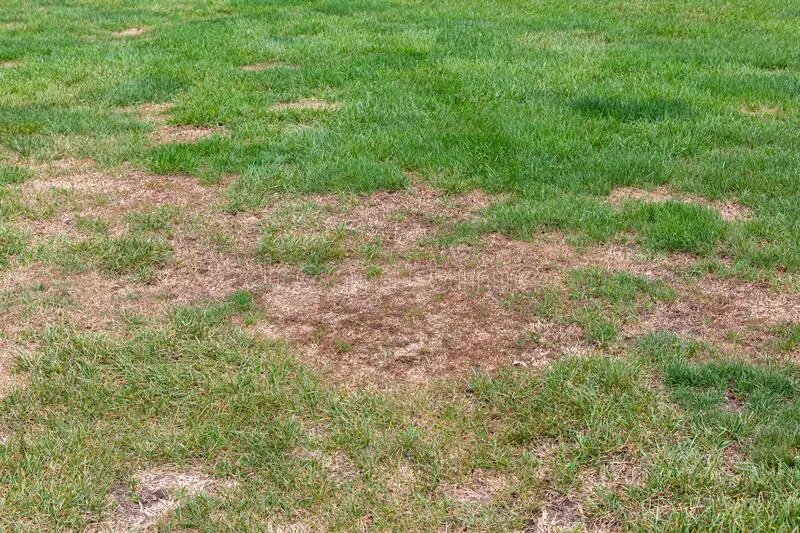
When you think of traditional lawn, you envision St. Augustine grass.

St Augustine is the most popular and probably the most common turfgrass found across the southern United States.

It is known for its deep green color and a dense, carpet-like growth habit.

St. Augustine grass is a very robust warm season turfgrass and grows vigorously during the warmer months of spring and summer.

You can easily have a good looking, aesthetically pleasing yard with very little work.

But, even with the good features of St. Aug, there are certain issues that arise ocassionally that cause it to not look its best.

Whether your St. Augustine looks sparse, or you just want it to grow thicker, you can do a few things to increase your chances of success

.

Here are a few tips on how to make st Augustine grass thicker.


Water

The very first thing you can do to make your St Augustine grass thicker is, ensure it has the proper amount of water and hydration.
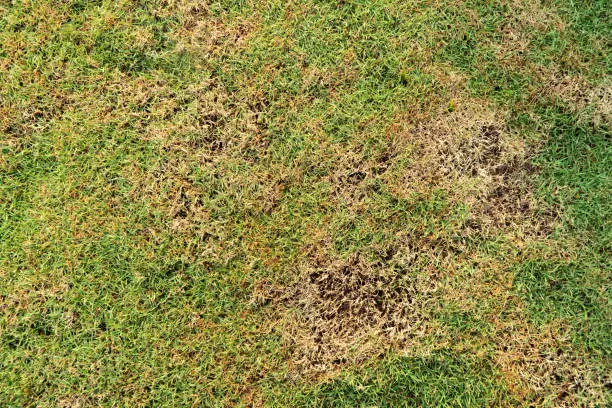
You can encourage faster growth by increasing the amount of water you give it.

In most cases this will make most turf grasses grow faster.

Even though we suggest watering more, you can over water and cause the roots to drown, suffocate, and die off.

Over watering can also facilitate fungus growth in your lawn.


best time to water lawn in hot weather

How to water to make St. Augustine grass grow faster and thicker

Water your lawn deeply but not too frequently, letting the soil dry out somewhat between watering.

Deep watering encourages deeper roots, making for a thicker lawn.

Set your sprinklers and irrigation system to start early in the morning, if possible.

Allow them to run until the ground is saturated, which is usually around 15 – 30 minutes for most sprinklers and irrigation systems.

This will give the water a chance to soak in before it evaporates.

Sunlight

Sunlight can easily be considered the number one ingredient for thick lush grass and a healthy lawn.

Many turf grasses can go days, weeks, or even months without water, but not many can survive without sunlight.

Most turfgrasses need at least 6 hours of direct sunlight daily to thrive and look their best.

The more sunlight you can give your grass, the faster and more robust it will grow.

St. Augustine grass is growing beneath trees may be sparse and thin.

Remove some branches from overhead trees to allow more light to reach your lawn grass.


how to make st augustine grass thicker and grow quicker
Good Soil Nutrition

Lawns grown on fertile soil usually get all the nutrients from the environment.

Nature has a way of feeding the plants and trees naturally.

Organic matter is added yearly with the seasonal cycles.

Grass clippings and leaves fall, they are broken down, decompose, and are converted to nutrients the plants use.

However, some may not have trees, or they may bag all of their grass clippings; which may result in the need for additional lawn food or lawn fertilizer.


Fertilizer

Have you ever noticed how much better St. Augustine grass does when it’s fertilized regularly?

That’s because the nutrients in the fertilizer make your grass stronger and healthier.

St. Augustine grass likes to be fertilized regularly.

Most turf specialists recommend you fertilize during the spring and early summer growing months.

During these times, Saint Augustine grows most vigorously.


broadcast spreader for lawn care treatments of fertilizer, herbicides, insecticides


How To Fertilize St Augustine Grass

St Augustine grass is an easy to maintain turfgrass.

It generally looks pretty good naturally, without the need for any special care or treatments.

However, this grass really comes to life and shows vibrantly when you give it a little fertilizer.

Feeding your St Augustine is pretty easy.

All you need to do is sue a good nitrogen fertilizer to get it to spread quickly.

Most over the counter lawn fertilizer or weed and feed will work.

You can also feed with a slow-release fertilizer or a liquid fertilizer every four to eight weeks during the growing season.

Fertilize regularly with a high-quality fertilizer; and a thicker, healthier lawn will result.


Organic Lawn Fertilizer For St Augustine Grass

The best type of fertilizer for St. Augustine grass is an organic slow-release fertilizer.

Organic fertilizers contain nutrients that are taken up by the plant more slowly, resulting in less chance of burning your grass and more gradual growth.

We like to use milorganite and ironite to encourage fast growth and deeper green color.


Mowing

Mowing is also a key component of a thick lush lawn.

By mowing at the right frequency and height, you can greatly increase the chances of having a meticulously maintained yard.


How often should you mow St. Augustine grass?

How often you mow your St. Augustine grass depends on the growth rate, which is influenced by temperature, rainfall, and fertilizer application.

In general, you should mow St. Augustine grass once a week to every other week during the growing season when the grass is actively growing.

If you’re trying to get your grass to grow faster, thicker, and spread faster, you will have to cut your lawn more often..

Frequent cutting encourages turfgrass to spread more horizontally, rather than vertically.


lawn maintenance lawn mower

St Augustine grass cutting height 

When it comes to St. Augustine grass, there is some debate on the ideal cutting height.

Some experts recommend cutting at 2.5 to 3 inches, while others say 3 to 4 inches is best.

Ultimately, it depends on your personal preference and the amount of foot traffic your lawn gets.

If you have a lot of foot traffic, you may want to cut the grass shorter.

You can afford to let the grass grow a little taller for yards with less foot traffic.

The best time to mow your grass is when the humidity is low, and the temperature is above 75 degrees.

Avoid mowing right after rain if you can; and wait a few hours after it has rained, for the blades to dry out..


Weeding

The best method of weed control is to be proactive and use a good pre-emergent herbicide to prevent weed growth.

Use a Weed And Feed product that is safe for Saint Augustine lawns.

These products allow you to attack the seeds before the weeds have a chance to take hold.

When you have already established weeds in your lawn, use a selective pre emergent herbicide like atrazine to help prevent the germination of weed seeds.

grow thick.


how to make st. augustine grass thicker and spread quicker
Aerating

Aeration is the process of punching small holes in the soil to allow air, water, and nutrients to reach the roots of your grass.

Aerating a lawn provides multiple benefits.

Two of the main benefits are improved soil structure and drainage.

The holes left in the ground by the machine opens space for the roots to expand and grow in those openings.

Those same holes also allow air and water to penetrate deeper into the root zone.

The results are stronger root systems, which means stronger turf with improved stress tolerance.

This simple step will make a big difference in the health of your lawn.

Aerate your lawn yearly to improve soil structure, drainage and promote a thicker, healthier lawn.


Dethatch

Use a de-thatcher or thatch rake to remove dead grass and other debris from the surface of your lawn.

By following these simple tips, you can have a thick, healthy lawn that will be the envy of your neighborhood..


lawn aeration with aerator dethatcher

How long does it take for St. Augustine grass to spread?

St. Augustine grass is a fast-growing grass that can spread rapidly, especially in areas with warm, humid climates.

It can easily grow 1 to 2 inches per week during the warmer months; and a few inches within weeks.

St. Augustine grass spreads by sending out above-ground runners, or stolons, which can reach up to several feet in length if left uncut..

The stolons take root at the nodes and joints, where they contact soil and form new plants.

This lateral spreading process can be quick, especially in areas with warm, humid climates.

However, it can take several weeks or months for the grass to spread and fill in an area..


How Do You Encourage St. Augustine to Spread?

Saint Augustine doesn’t need much help to grow; and does quite well on its own.

To encourage St. Augustine to spread, you can provide fertilizer and water regularly.

Water it regularly and deeply, especially during hot, dry periods.

Fertilize it with a balanced fertilizer three times a year.


best grass for shade. shade tolerant grasses st. augustine grass and zoysia


Product Suggestions:

Is Scotts Turf Builder good for St. Augustine grass?

Yes, Scotts turf builder is good for most lawns and safe for most home users to apply.

Augustine grass is a dense grass with lush growth. Use these tips to get thicker turf to cover your entire lawn.


Conclusion: Proper Lawn care is How You Make St Augustine Grass Thicker and Grow Quicker

Saint Augustine is a robust turfgrass that doesn’t need much help to grow.

It is one of the most popular and widely used grasses today.

Most people find that it does quite well on its own.

However, there are many options if you want to know how to thicken st augustine grass.

The easiest and cheapest way is to simply give it more water.

Increasing the water will encourage more growth, in most cases.

The next option you have on how to make st augustine grass thicker is, lawn fertilizer.
Fertilizer super charges your lawn with the extra nutrients to grow more.