St. Augustine Sod
South Louisiana's favorite grass. Shade-tolerant, heat-loving, and always in stock.
Fresh-cut pallets delivered to your property.
Why St. Augustine Thrives in Baton Rouge
Louisiana summers punish most grasses. Temps push past 95 degrees. Humidity hangs at 80 percent or higher for months. St. Augustine does not just survive those conditions. It thrives in them.
This grass was built for subtropical climates. It stays green deep into fall when bermuda and zoysia start to fade. It handles our heavy clay soils without complaint. And it tolerates shade better than any warm-season turf on the market.
That shade tolerance matters here. Live oaks line streets across Baton Rouge, from Garden District to Shenandoah. Most grasses thin out under that canopy. St. Augustine fills in thick with just four to six hours of filtered light. That is why you see it under every oak-lined yard from Highland Road to Jefferson Highway.
South Louisiana runs on St. Augustine grass. It covers more lawns in this part of the state than every other variety combined. There is a good reason for that. St. Augustine sod handles our heat, our humidity, and our shade better than anything else you can plant.
Baton Rouge Sod has fresh St. Augustine sod for sale by the pallet and by the piece. We deliver straight to your property. Homeowners, landscapers, and property managers all rely on it for one simple reason. It works here.
St. Augustine Specs
| Blade Type | Wide, flat, dark green |
| Sun Needs | 4 to 6 hours (best shade tolerance) |
| Drought Tolerance | Moderate |
| Traffic Tolerance | Moderate |
| Mowing Height | 3 to 4 inches |
| Growth Habit | Stolons (spreads by runners) |
| Peak Season | April through October |
| Time to Root | 14 to 21 days |
How Much Sod Do You Need?
Enter your yard dimensions to find out how many pallets you need and what it will cost.
Sod Calculator
Estimates based on $250 to $350 per pallet. Final price depends on variety and delivery. Call for exact quotes on large orders.
How to Order Sod
Measure Your Yard
Measure the length and width of the area you want to sod. Multiply them to get square feet.
Place Your Order
Buy online through our store or call 225-310-8080. Tell us how many pallets you need and your delivery address. We handle the rest.
Fresh-Cut and Delivered
Your sod is cut fresh from the farm and delivered straight to your property. Standard delivery runs 2 to 4 business days.
Care Guide for New Sod
The First Two Weeks Decide Everything
Water your new sod twice a day for the first 7 to 10 days. Morning and late afternoon work best. Soak it enough that the soil underneath stays moist, not muddy.
Keep foot traffic off the new sod as much as possible. The roots need time to anchor into the soil without being disturbed.
Watering schedule: Once in the early morning (before 10 AM) and once in the late afternoon (after 4 PM). Each session should run long enough to soak about half an inch into the soil.
Reduce Watering and Watch for Roots
After two weeks, cut back to once a day. By week four, shift to every other day. Most established St. Augustine lawns do well on about one inch of water per week.
Hold off on mowing until the sod roots into the soil. That usually takes 14 to 21 days. Tug a corner gently. If it resists, it has rooted.
Root check: Grab a corner of any sod piece and tug gently. If it lifts easily, it needs more time. If it holds firm, the roots have taken hold and you can start mowing.
Long-Term Lawn Health
Set your mower to 3.5 inches for the first cut. Never remove more than one-third of the blade height at a time. St. Augustine does best when kept between 3 and 4 inches.
Wait 30 to 60 days before your first fertilizer application. Louisiana soil tends to run acidic, so a balanced fertilizer with a slow-release nitrogen works well.
LSU AgCenter tip: A soil test from your local LSU AgCenter extension office will tell you exactly what your yard needs. They test for pH, nitrogen, phosphorus, and potassium levels. The test costs very little and saves you from guessing.
St. Augustine Varieties
St. Augustine comes in several cultivated varieties. Availability changes from season to season depending on farm supply. We source from multiple farms across Louisiana and the Gulf Coast to keep the best options in stock.
Varieties we have carried include CitraBlue, Palmetto, Floratam, Raleigh, and Classic. CitraBlue has a finer blade with a blue-green tint and improved disease resistance. Palmetto offers better cold tolerance. Floratam and Raleigh are proven performers across the Gulf South.
Not every variety is available at all times. For large orders or specific variety requests, call ahead so we can confirm what is on the farm and reserve your pallets.
Need a specific variety? Call 225-310-8080 to check current availability. We can often source specialty varieties with a few days notice for larger orders.
Detailed St. Augustine Specifications
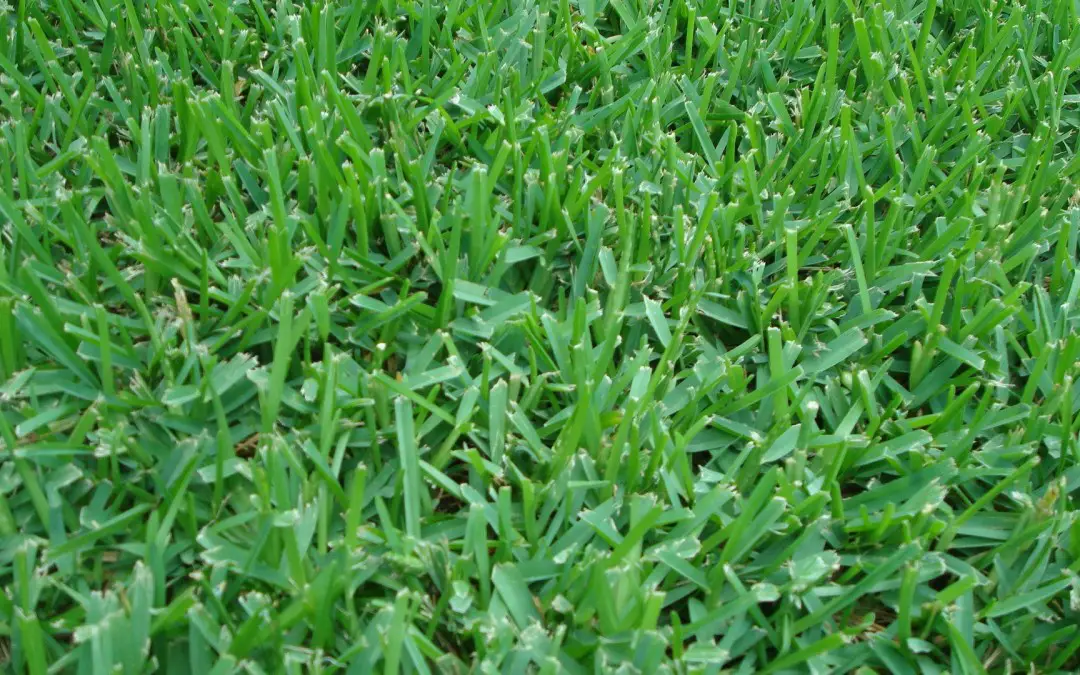
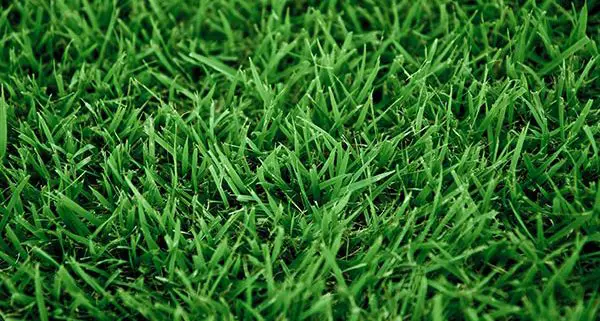
St. Augustine grass (Stenotaphrum secundatum) is a warm-season perennial turf that thrives in USDA Zones 8 through 10. Baton Rouge sits in Zone 9a, right in the sweet spot. The blade is wide, flat, and coarse-textured with a color range from dark green to blue-green depending on the cultivar.
It spreads through stolons, which are above-ground runners that root at each node. This growth habit lets it fill in bare spots on its own without reseeding. St. Augustine does not produce viable seed in commercial quantities, so sod is the standard establishment method.
Shade tolerance is the standout trait. It performs well with just 4 to 6 hours of sunlight, including filtered light. Heat tolerance is excellent. Drought tolerance is moderate. It needs about 1 inch of water per week once established. Salt tolerance is good, which matters near coastal areas.
Roots typically reach 4 to 6 inches deep. The grass prefers a soil pH between 6.0 and 6.5 but adapts to a range of 5.0 to 8.5. It handles clay, sand, and loam soils. Louisiana's heavy clay is not a problem.
Mow every 7 to 10 days during peak growth season (April through October). Keep the blade height between 3 and 4 inches. Fertilize with 2 to 4 pounds of nitrogen per 1,000 square feet per year using a slow-release formula.
The grass goes dormant when temperatures drop below 55 degrees and turns brown. It greens back up in mid-March when soil temps hit 65 degrees. Common pests include chinch bugs, grub worms, and sod webworms. Gray leaf spot and large patch (brown patch) are the diseases to watch for.
Pallet sizing: Each pallet covers approximately 450 square feet. Price ranges from $250 to $350 per pallet depending on variety and availability. Use our calculator above to estimate your project.
St. Augustine Sod FAQ
Your Yard Is Not Going to Sod Itself
225-310-8080We deliver across Greater Baton Rouge, Denham Springs, Prairieville, Gonzales, Zachary, and Central. Delivery runs 2 to 4 business days. Next-day is sometimes available.