Fall Lawn Care Tips | Lawn Care In The Fall
Fall Lawn Care Tips | Lawn Care In The Fall
As soon as the leaves start falling and temperatures start dropping, you know it’s time to start thinking about fall lawn care.
Here are a few fall lawn care tips to help you keep your yard looking its best all season long.
Basic fall lawn maintenance goes a long way to preparing your turf in autumn and early fall. It will also ensure a healthy lawn in the spring.
When maintaining your lawn, there are some things you need to do before your grass goes dormant.
landscape lawn-care
Fall Mowing
First, continue to mow regularly until the grass stops growing. This will help prevent thatch buildup and give your yard a neater appearance. Cut your grass
Weeds are one of the most common problems in lawn care. Not only do they take away from the aesthetics of your property, but they can also be difficult to get rid of. Luckily, you can do a few things to get rid of weeds in your lawn.
Adjust Your Mowing Height
While you may not have to cut your grass as often, you still need to give your turfgrass the attention it needs to stay healthy and look its best.
There are a few things to remember when adjusting your lawn mower mowing height for lawn care in the fall.
First, the grass is growing more slowly, so you don’t need to cut it as short.
Second, leaving the grass a little longer helps protect it from frost damage.
And finally, taller grass can help prevent weeds from taking over.
So how do you know how high to set your mower? A good rule of thumb is to set it at least 2 inches higher than you normally would in spring or summer.
Mowing Your Grass For The Last Time In Autumn
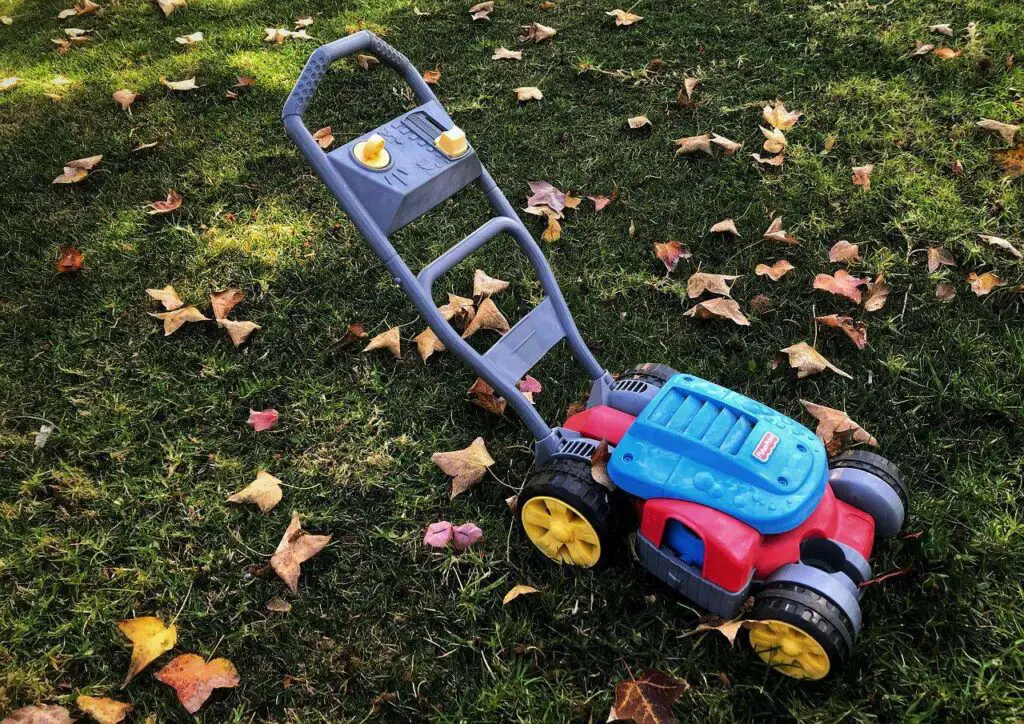
It’s time to mow your lawn for the last time before winter. That’s right, the final trim of the season.
So don’t delay. Grab your mower and get to work!
Your grass will thank you come next spring.
And while it may seem like a chore and a daunting task, we promise it’s not as bad as it sounds.
Taking the time to trim your turf in autumn properly will ensure a healthy spring lawn.
There are a few benefits to giving your lawn one last trim before winter sets in.
For starters, it helps to tidy up your yard and gives you a chance to clear away any debris that may have accumulated over the autumn months.
It also helps to aerate the soil and promote healthy growth come springtime.
Here are a few tips for giving your lawn a final trim in autumn:
Set your mower blade to 3 inches. This will help protect the crowns of your grass plants from damage as they enter winter dormancy.
Be sure to remove any debris from your lawn before you start cutting. This includes leaves, sticks, and rocks.
Make a couple of passes to ensure that all grass is evenly cut.
After the first pass, cut your lawn grass blades slightly shorter before turf goes into dormancy.
Fall Lawn Care for Weed Control
Weeds can be incredibly difficult to get rid of once established.
But with these tips, you’ll be able to get rid of them in no time!
One way to get rid of weeds is to pull them up by hand. This is the most labor intensive and time-consuming method. Another way is to use a weed killer.
Use a weed killer that is specifically designed for the type of grass you have.
Finally, make sure to keep an eye on your turf and pull any unwanted plants that do manage to take root.
With a little effort, you can keep your yard looking great all season long!
Attack Weeds With A Good Weed Killer
fall lawn care tips: Use a selective herbicide for broad leaf plants. 2, 4-d dicamba
Be sure to read the label carefully and follow the directions, as some herbicides can damage your lawn if used incorrectly.
Apply Pre-Emergent Fertilizer
You can prevent weeds from growing in the first place by keeping your lawn healthy and well-maintained. Mowing regularly, watering properly, and fertilizing regularly go a long way to a beautiful lawn come spring.
Pre-emergent herbicides create a barrier on the surface of the soil. This barrier prevents weed seeds from germinating or kills the seedling once it starts growing.
It is important to apply pre emergent herbicides before they start to grow.
Once they have already germinated, you will need to use a post-emergent or manual pull method to control them.
Apply the herbicide evenly over the entire area and water it well afterward.
Follow the instructions on the label carefully. You don’t want to apply too much, as this can harm your lawn.
Use a good weed and feed or a product like dimension pro.
Mulch Leaves for Fall Grass Fertilizer
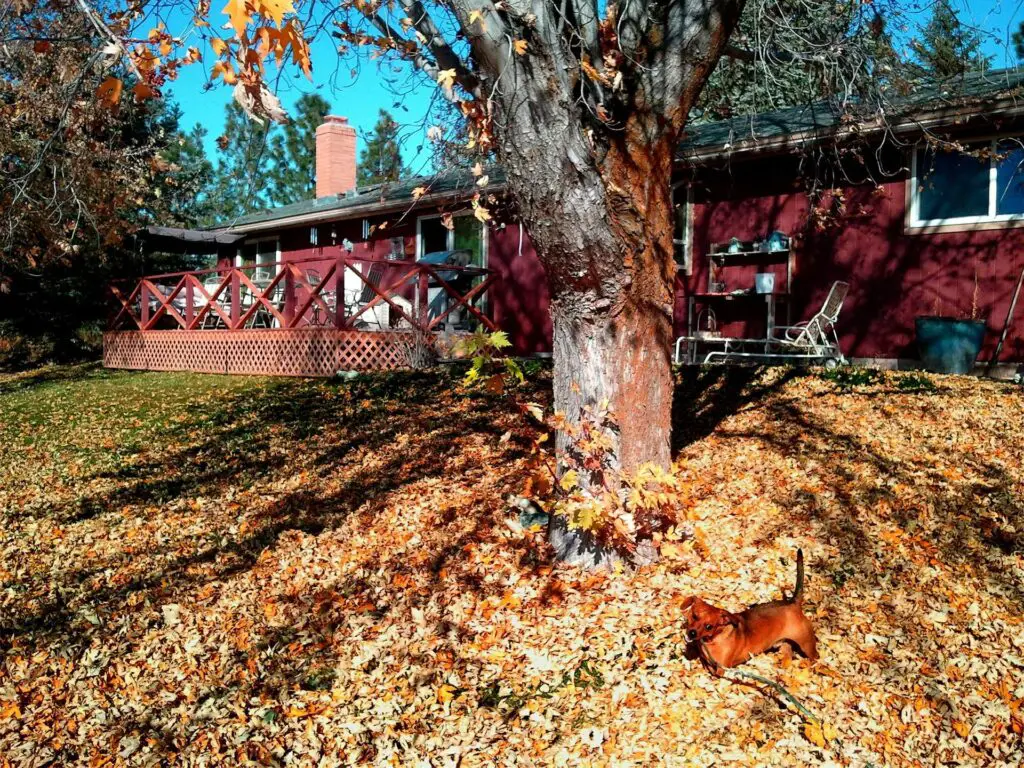
Don’t be too quick to rake up the leaves as they begin to fall!
Instead, you can use them as mulch for your lawn .
By doing this, you’ll provide a natural fertilizer for your grass that will help it stay green and healthy next spring.
Here’s how to do it:
Cut your lawn one last time before the leaves begin to fall. This will ensure that the leaves are chopped up into small pieces.
Leave them on your lawn and allow them to decompose.
Not only is this method of fertilizing your lawn environmentally friendly, but its also cleaner and less expensive than using chemicals,
mulching leaves helps your lawn by recycling the organic matter and providing nutrients for the grass.
Mulch Your Leaves
mats of fallen leaves smother your grass mow and mulch leaves to compost, then a layer of organic matter
mother your grass, smother, lawn, rake
Remove Fallen Leaves
There are instances where you don’t want to mulch leaves and want them removed. If you don’t want to mulch, make sure to rake up leaves regularly.
There are benefits to removing leaves. When you remove leaves, you allow more sunlight to reach. Leaving them on the ground can damage the grass and create a breeding ground for pests.
Rake them up ..
Use a rake to gather the leaves into a pile. Then, bag them up and dispose of them.
Vacuum them up.
A leaf blower / vacuum is a quick and easy way to remove leaves.
You can also chop the leaves with a lawn mower or garden shredder. Use this to chop them up into small pieces.
You can then be used as compost or added to your garden beds as mulch..
Overseed Your Lawn Grass
Overseeding is the process of planting new grass seed into an existing lawn. You can do this to improve the density of your lawn, add new varieties of grass, or repair bare or thin areas.
If you’re considering overseeding your lawn, you should keep a few things in mind.
Choose the right type of seed for your climate and soil type.
Make sure you prepare your soil properly before planting.
Don’t forget to water regularly and fertilize as needed once your new grass starts to grow.
You may be thinking it’s time to overseed your lawn grass. Autumn is a good time since fall usually has mild temperatures.
overseeding time to overseed. Seeding needs water and nutrients
Give Your Grass Plenty of Water
When it comes to watering your lawn, more is better.
Deep, infrequent watering is key to a healthy lawn. Heavy watering encourages roots to grow deeper into the ground, making your grass more drought tolerant.
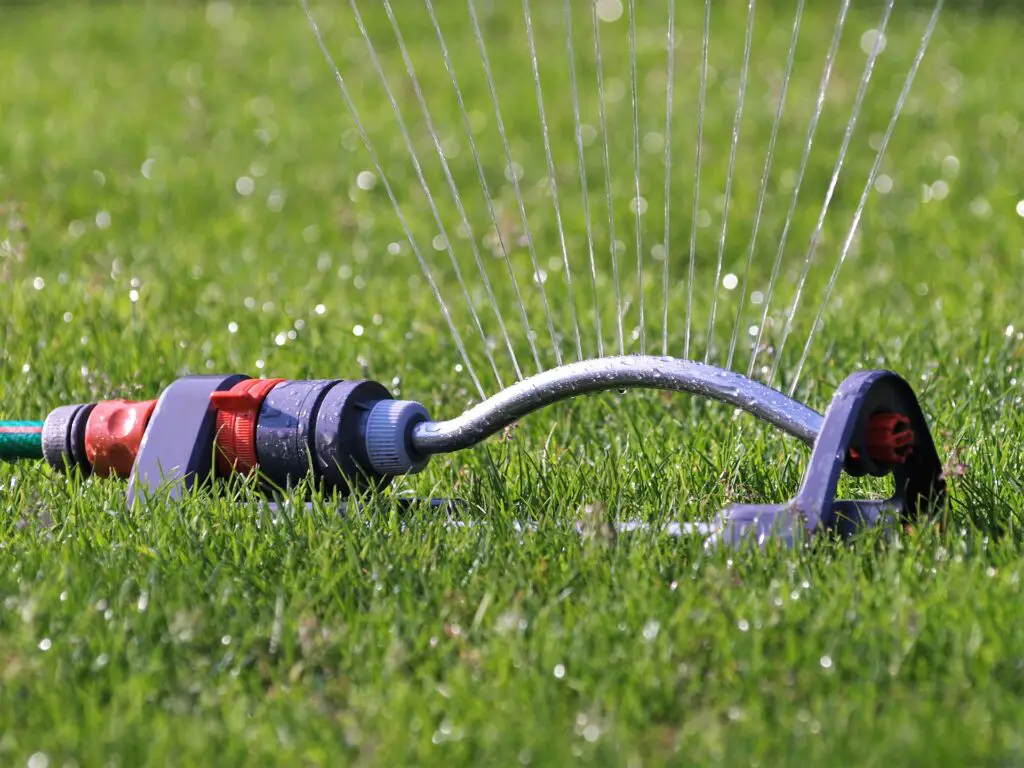
To water deeply, give your grass about 1 inch of water per week. The best way to measure is to put out empty tuna cans or coffee mugs in your yard and turn on the sprinklers until they’ve caught 1 inch of water.
If you’re unsure how much water your lawn is getting, Take a screwdriver and push it into the ground. If it goes in easily, that means the soil is moist enough. If pushing in is tough, your lawn needs more water.
Fall Lawn Care Advice
Turf grasses thrive during warm months. When the lawn is growing, your turf needs an average of an inch of water. You can accomplish this by sprinklers, irrigation, or rainfall.
fall lawn care tips
Aerate the soil.
Aerating the soil is important for several reasons.
First, it helps to loosen the soil, making it easier for roots to grow and penetrate the soil.
Aeration helps to improve drainage and prevents soggy soil. It also helps oxygenate the roots of plants, which is essential for their growth.
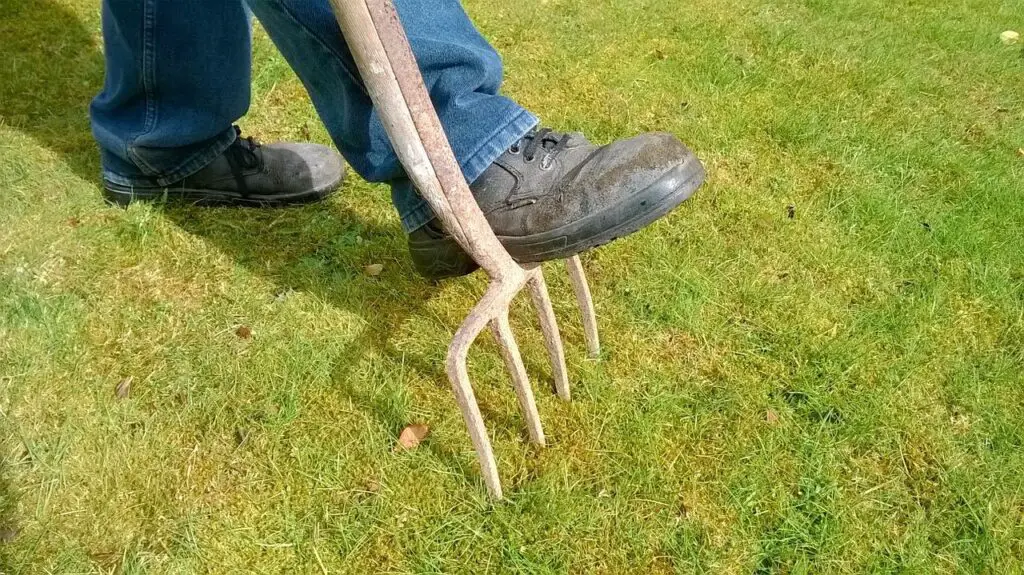
To aerate the soil, you can use a garden fork, manual tools, or a mechanical core aerator.
For small gardens, a manual tool is usually sufficient. However, a mechanical aerator may be necessary for larger gardens or lawns,
Aerating the soil is best done in the spring or fall when the weather is cool and moist.
soil compaction
What Is Soil Aeration
Soil aeration is the process of introducing air into the soil. This can be done through a variety of methods, such as tilling and using an aerator.
Aeration is important for plant growth because it allows for the exchange of air and gases between the atmosphere and the roots of plants.
Plants need oxygen for respiration, and soil that is poorly aerated can lead to stunted growth or even death.
Loose soil can also improve water drainage and reduce soil compaction.
When soils are compacted, there are fewer pores for oxygen and water to move. This can lead to problems with drainage and root health.
Aerating the soil can help to alleviate these problems and promote healthy plant growth.
A lawn aerator will help you get the job done. It pulls plugs of soil and opens up the soil for grass roots to grow deeper into the soil and spread.
You can rent core aerators at your local tool rental location.
Dethatch Your Grass
Dethatching is the process of removing the thatch from your lawn. Thatch is the layer of dead and living organic matter that builds up between the soil and the green blades of grass.
This thick layer of thatch can prevents the movement of water and nutrients from reaching the roots of your grass, which can make it more difficult for your lawn to thrive.
If you’re not sure whether or not your lawn needs to be dethatched, here are a few signs to look for.
Bare patches in your lawn could be a sign that the thatch is preventing new grass from growing.
Dethatching helps keep grass from matting.
Fall Lawn Fertilizing: Feed Your Lawn
Fertilizer is an integral part of regular yard maintenance.
Fall lawn fertilizing is important because it helps your grass recover from the hot summer months and prepare for the winter.
Fall lawn fertilizing also gives your grass the nutrients it needs to green up quickly in the spring.
If you want a healthy, green lawn, be sure to feed your lawn in the fall!
More fall lawn care tips: Feed your yard with lawn food, water and nutrients
Fall Lawn Fertilizer
Fall lawn fertilizer differs from spring and summer fertilizer as it helps your grass recover from the hot summer months and prepare for winter.
There are a few things to keep in mind when choosing a fall fertilizer.
First, you’ll want to choose a product that has the right balance of nutrients. Nitrogen is essential for a healthy lawn because it helps your grass grow green and strong.
Choose a lawn food that contains slow-release nitrogen. This type is released slowly over time, so it won’t burn your grass if applied properly.
The best fall lawn fertilizer has lower nitrogen and balanced phosphorus and potassium.
Make sure the product you choose is safe for kids and pets.
Fall Tasks for Warm-Season Lawns
warm-season grasses St. Augustine grass, Zoysia, Bermuda, and Centipede grass
Fall Tasks for Cool-Season Lawns
Cool-season grasses like Kentucky bluegrass, fescue, and ryegrass benefit from additional maintenance like overseeding and dethatching.
Clean Up your Tools for a Fresh Start Next Spring
Tool maintenance helps you get a fresh start on all your projects for the warmer months, but it will also help extend the life of your tools.
Here are a few tips on how to clean up your tools for a fresh start next spring:
Give them a good rinse: If your tools have been sitting in storage all winter, they may be covered in dust or dirt. Give them a good rinse with water (and maybe even a little soap) to eliminate any grime.
Get rid of rust Check for any rust on your tools, and be sure to remove it with a wire brush and WD40 or other similar products.
Oil them up
If you have any tools that will require oiling, now is the time!
Store them properly. If you still have room in your tool shed, great! If not, find a dry storage area out of direct sunlight.
Mower Maintenance in Autumn
Here are a few tips to help you keep your mower running smoothly all autumn long.
It’s important to clean your mower regularly. Be sure to remove any buildup of grass and debris from the blades, engine, and undercarriage.
Drain fluids to help prevent rust and corrosion.
Check your mower’s oil level and air filter. If either of these needs to be replaced, be sure to do so before your next mowing session.
Make sure your mower is properly stored during the winter months. It’s best to keep it in a dry, sheltered area out of the elements..
Conclusion
Following these lawn care tips in the fall will help ensure a green, healthy lawn come spring. Make sure to treat your lawn in the fall to give your grass a fighting chance against the harsh winter weather. Watering your lawn deeply and less frequently will also help to promote root growth. Lastly, don’t forget to mulch or rake up leaves, so they don’t suffocate your grass.
A little extra effort now will pay off come springtime..
Fall lawn care tips